
記事: The Cocktail Dress Edit: Choosing a Look for the Occasion

The Cocktail Dress Edit: Choosing a Look for the Occasion
The Cocktail Dress Edit
A fall-to-holiday guide to choosing a cocktail dress through occasion, comfort, silhouette, color, and the details that make a look your own.

📋 TABLE OF CONTENTS
- Start with the invitation
- Make comfort part of the plan
- Choose a silhouette that feels natural
- Use color with intention
- Read the garment details
- Four adaptable styling formulas
- Dress for the fall-to-holiday calendar
- Plan around seasonal sale events
- Finish with shoes and layers
- A calm online-shopping checklist
- Frequently asked questions
- Make the choice yours
- Sources & References
Start with the invitation
A cocktail dress is not a single fixed silhouette. It is a way of dressing for an occasion that usually calls for more polish than everyday clothes, while leaving room for personality and ease. Before choosing a color or neckline, read the invitation and picture the setting. A restaurant dinner, an evening reception, a work celebration, and a family party can all call for different levels of formality. The venue, time of day, weather, and expected movement matter as much as the label used for the event.
If a dress code is specified, use it as a guide rather than a puzzle. When it is unclear, ask the host or organizer. That quick check can prevent unnecessary stress and helps you choose an outfit that feels appropriate without making broad assumptions about what everyone will wear. Consider whether the event is indoors or outdoors, whether you will walk between locations, and whether you will be seated for much of the evening. The best dress is one that fits the real occasion, not an imagined photograph of it.
Start with one sentence that describes what you need: “I want a polished dress for an indoor evening event that lets me move comfortably,” for example. This brief keeps the search focused. It also gives you a practical way to compare options: does this garment suit the setting, feel comfortable, and work with shoes and layers I already own?
Make comfort part of the plan
Comfort is not a finishing touch; it is part of how an outfit looks and feels. Think about the hours you will spend wearing the dress. If you expect to stand, dance, walk, or travel, check that the hem and shape allow natural movement. If the event includes dinner, imagine sitting in the dress as well as standing in it. A neckline, closure, or waist detail that needs constant adjusting can distract from an otherwise beautiful look.
Pay attention to your own preferences around coverage, sleeves, neckline, and fit. These are personal choices, not rules about what suits a particular body. You may feel most at ease in a long sleeve, a clean collar, a defined waist, or a straighter line. Another person may prefer a softer shape or a more open neckline. Use those preferences as helpful filters, then remain open to a silhouette you might not have considered.
When trying a dress, move in it. Walk, sit, reach, and turn. Check whether the fabric pulls, whether the closure stays secure, and whether the length works with the shoes you plan to wear. If you shop online, look for the exact garment measurements and fit notes on the product page. Size labels alone do not tell the whole story, and sizing can vary between designs. If a detail that matters to you is missing, ask for clarification before purchasing.
Choose a silhouette that feels natural
Silhouette describes the outline of the dress and how it moves around you. A fitted shape can feel clean and composed; an A-line skirt may bring movement; a wrap-inspired shape can suggest a waist while allowing a softer line; a column silhouette can look calm and streamlined. These are styling possibilities, not instructions. Choose the outline that lets you feel comfortable and present at the event.
Consider proportion in relation to the pieces you might add. A cropped jacket creates a different visual break from a longer coat. A fuller skirt may pair simply with a neat top line, while a more minimal dress may welcome a distinctive accessory. Try your intended shoes and layer together rather than evaluating the dress in isolation. The outfit should feel balanced when you stand, walk, and sit.
Length is a practical decision as well as a visual one. Check the hem with the shoes you will actually wear and make sure it does not catch underfoot. If you are considering a change to the hem, account for the shoe height and the garment’s construction. A small alteration may help a dress work better, but you do not need to alter a garment that fundamentally feels wrong. Another cut may be the easier, happier choice.
Use the mirror as a tool, not a judge. Notice what you like about the dress: perhaps the movement, neckline, sleeve, color, or the way it works with a favorite layer. A personal choice becomes clearer when you focus on how you feel in the garment rather than trying to satisfy a universal styling rule.

Use color with intention
Color can set the mood before you add a single accessory. Deep navy, olive, black, and other rich shades may feel restrained; lighter neutrals can read softly; a brighter color can make the dress itself the focal point. There is no required color for a cocktail event. Consider the venue, the season, and the shades you already enjoy wearing, then choose a palette that feels at home in your wardrobe.
When comparing colors online, remember that screens and lighting can affect how shades appear. Review all available product images and use the product description for the listed color. If exact color matching matters, compare the garment with accessories you own in natural light when it arrives. Build a simple palette around the dress: one main shade, a supporting neutral, and perhaps one accent. Exact matching is optional.
A print can supply its own color story. Choose a quieter shade from the print for a shoe, bag, or layer, or keep accessories neutral so the pattern can lead. If the dress is solid, an accessory can introduce a small contrast. Try one change at a time and see whether it makes the outfit feel more complete. You do not need to add several statement pieces to make a look feel considered.

Read the garment details
Photographs can show shape and styling, but they cannot confirm every material or care requirement. Read the product page for the exact garment’s composition, measurements, closure, lining, and care instructions. Do not infer fabric content from shine, drape, or texture in a photograph. Similar-looking dresses can be made differently and can need different care.
Think about maintenance before you buy. If you prefer a low-effort wardrobe, choose a garment whose verified care guidance works with your routine. If a special finish feels worth extra attention, make sure you understand what that entails. Follow the care label once the dress arrives, and avoid trying an unverified cleaning method on an important garment.
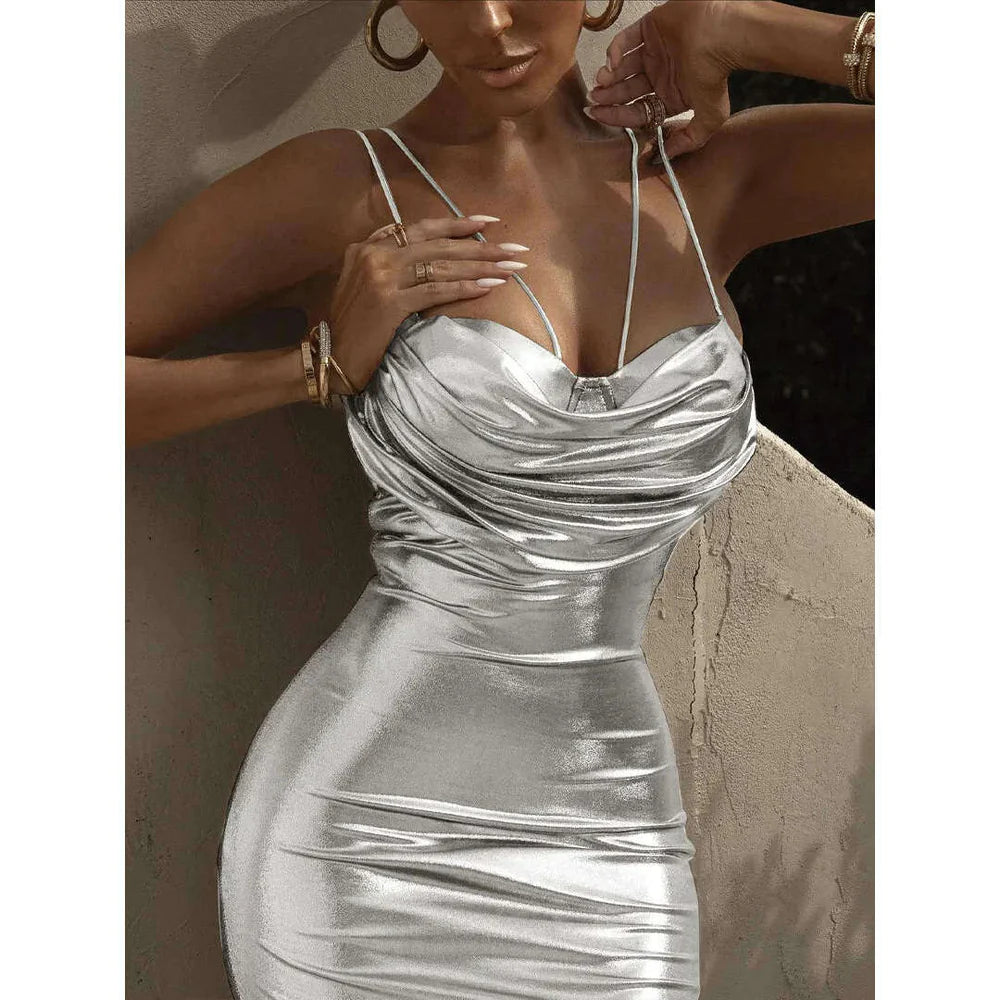
The featured KIMLUD dress is listed as an olive polyester cocktail dress. Check its product page for the current details, available options, and care information. The article’s styling ideas are general; they do not replace the specifications for any individual item. Explore the Cocktail Dresses collection to compare current choices and their product-specific details.

Four adaptable styling formulas
1. Keep the dress as the focal point
Choose simple shoes and a bag that meet the practical needs of the evening. This works especially well when the dress already has a notable color, neckline, print, or surface. Keep jewelry light if it competes with a detail you want to highlight. The aim is not to remove personality, but to let one strong element read clearly.
2. Add a clean, structured layer
A neat jacket or tailored layer can bring definition to a softer dress and provide useful coverage. Check that it fits over the dress without pulling at the shoulder or sleeve. If you expect to remove the layer indoors, make sure the dress underneath still feels finished on its own. A layer should support the event, not become a fix for a dress that does not feel secure.
3. Build a tonal look
Use neighboring shades rather than trying to match every item exactly. A deeper shoe with a lighter dress, or a neutral bag beside an olive tone, can create gentle contrast. Repeating one color once in an accessory may tie the outfit together. Keep the combination comfortable to wear and appropriate to the setting.
4. Introduce one personal accent
A distinctive earring, scarf, bag, or shoe can make a simple dress feel individual. Pick the item you genuinely enjoy wearing and allow it to be the accent. If the dress is already visually expressive, a quieter accessory may be the stronger choice. Before leaving, check that each item feels comfortable and useful through the hours ahead.

Dress for the fall-to-holiday calendar
Q4 can move quickly from early autumn dinners to work celebrations, family gatherings, Christmas events, and New Year plans. Instead of searching for one dress that must work for every date, map the occasions you actually expect. Note the venue, dress code, weather, and how long you will wear the outfit. A dinner with close friends may invite a softer look; a formal reception may call for a more polished silhouette; an outdoor gathering may make a removable layer essential.
Build seasonal looks around pieces you can adjust. A cocktail dress can feel autumnal with a tailored jacket, opaque hosiery where appropriate, and shoes suited to the weather. For an indoor holiday party, a single vivid accessory or a richer color can shift the mood without replacing the entire outfit. For a New Year event, you might choose a sharper accessory or a more defined silhouette, provided it remains comfortable and fits the invitation. These are options, not rules, and the garment’s construction should guide how it is styled.
Try each combination before the event. Check the hem with the shoes, test the layer over the dress, and carry the bag you expect to use. If you will travel between locations, make sure you can comfortably remove or carry outerwear. A quick rehearsal keeps the outfit practical and helps you notice whether one small change, such as a different shoe or a lighter layer, would make the evening easier.
Plan around seasonal sale events
Autumn promotions, Black Friday, Cyber Monday, Christmas gifting, and end-of-year sale periods can each bring new shopping moments. Dates, offers, eligible products, and terms vary by retailer and year, so check the current store details rather than planning around an assumed discount. This guide does not promise that a particular dress will be reduced or available during a specific event.
Make a short list before browsing: the event you are dressing for, the fit and coverage you prefer, the color range you want, and the maximum amount you are comfortable spending. Compare product information, measurements, care, and availability before focusing on price. If an item does not fit your plans, an advertised promotion does not make it the right choice. Save the product page and review the store’s current offer details when the event begins.
Keep the calendar useful rather than urgent. If you already have a suitable dress, first test it with a different layer, shoe, or accessory. If you decide to shop, choose a piece that works with clothes you own and that you can wear comfortably. A thoughtful seasonal purchase is more valuable than a rushed choice based on a countdown or a discount message.

Finish with shoes and layers
Shoes change both the proportion and practicality of a cocktail dress. Choose for the venue and the distance you expect to walk. Try the complete outfit on the kind of surface you will encounter if possible, and check that the hem moves freely. A refined flat or lower heel can feel just as considered as a higher shoe when it suits the event and lets you move confidently.
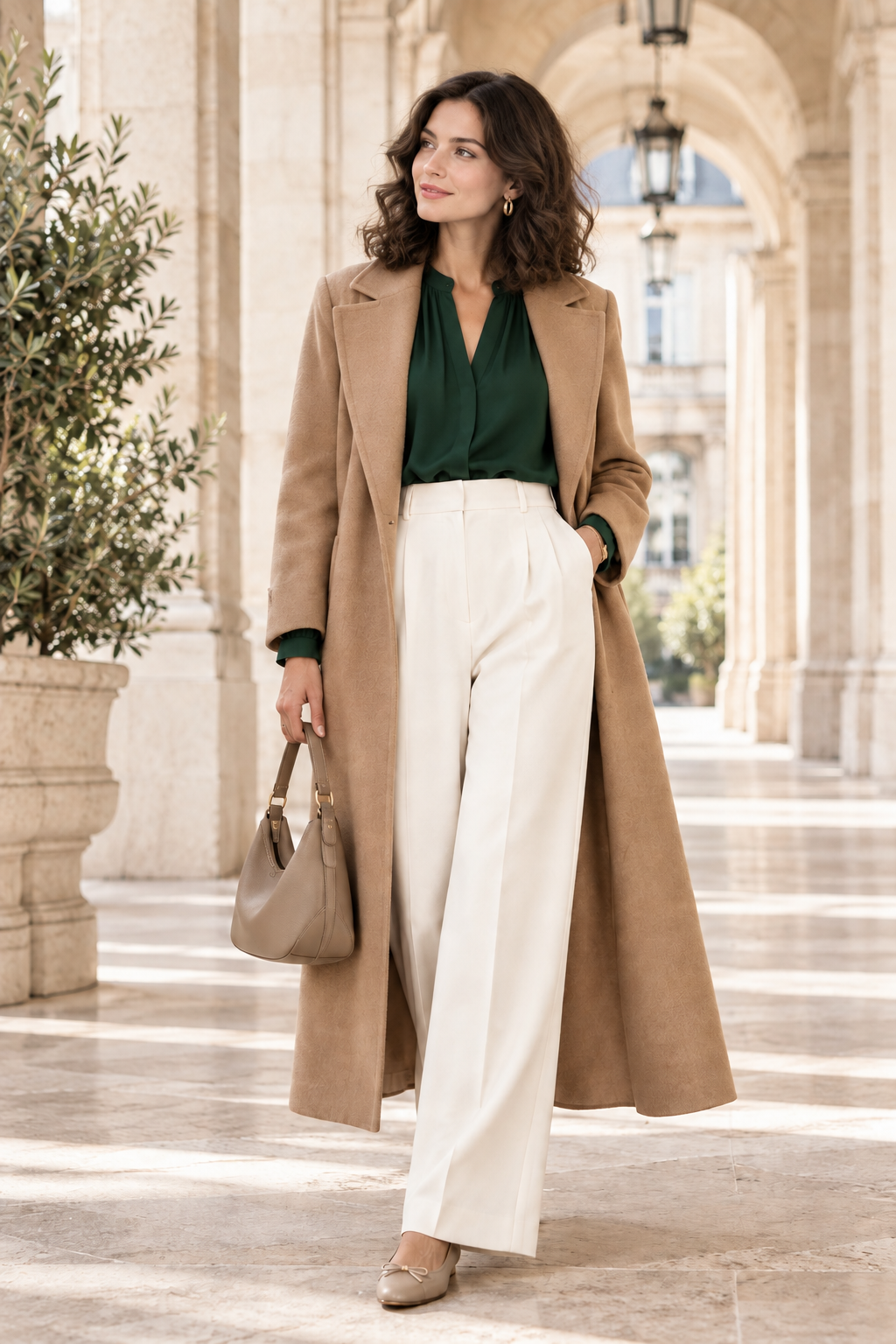
Outerwear deserves the same attention. Consider how it sits over the dress, where it ends, and whether you can carry it easily once indoors. A shorter layer may show more of the dress; a longer coat can create one continuous line. These are options rather than rules. Test the combination before the event so you are not making a last-minute decision at the door.
Accessories should earn their place. A bag can hold what you need; jewelry can repeat a tone or add a focal point; a wrap can provide warmth or coverage. If a piece catches, slips, or distracts you, leave it out or choose another option. An edited outfit often feels more personal than one assembled by adding every available detail.
A calm online-shopping checklist
Before choosing a dress online, check the product title and images, exact measurements, fit notes, composition, closure, lining, care guidance, current availability, and return terms. Use the item’s own product page for facts. If the garment’s length, sleeve, or material is central to your decision and the information is unclear, request clarification rather than relying on assumptions.
Next, picture the full outfit with pieces you already own. Which shoes make sense? What layer might be needed? Can the bag carry what you need? A dress that works with familiar pieces may be easier to wear again, but versatility is not the only reason to choose something. A special-occasion piece can be worthwhile because you enjoy it and have a clear use for it.
Finally, pause before adding extras. Write down what you need the dress to do, compare a small number of options, and notice which one feels most comfortable and appropriate. The goal is a clear choice, not endless browsing. For more options, start with KIMLUD’s Cocktail Dresses collection and verify each item’s own details before deciding.
Frequently asked questions
What makes a dress suitable for a cocktail event?
Suitability depends on the invitation, venue, timing, and dress code. Choose a polished look that fits the setting and lets you move comfortably. If the expectation is unclear, ask the host.
How do I choose a cocktail dress online?
Check the exact product measurements, fit notes, composition, closure, lining, care guidance, images, availability, and return terms. Use the specific product page rather than guessing from a photograph.
Do cocktail dresses have to be short?
No single length is required by this guide. Choose a hem that feels appropriate for the event, works with your shoes, and allows comfortable movement.
What shoes should I wear with a cocktail dress?
Choose shoes that suit the venue and the amount of walking or standing. Try the complete outfit and check the hem. Comfort matters more than a fixed heel height.
How can I accessorize a printed or detailed dress?
Let one detail lead. Use a quieter shoe or bag, or repeat a color from the dress once. Exact matching is optional.
Can I wear a jacket over a cocktail dress?
Yes, if it fits comfortably and suits the occasion. Check that it does not pull at the shoulders or sleeves and that the dress still feels complete if you remove it indoors.
How can I know what a dress is made of?
Read the exact product description and garment label. A photo cannot reliably confirm fiber content or care needs.
What should I do if the dress code is unclear?
Ask the host or organizer. A quick question is more reliable than assuming a universal rule for every event.
How should I plan a cocktail outfit for multiple Q4 events?
List your actual events, then adjust shoes, outerwear, and accessories around one dress if it remains comfortable and appropriate. Use each event’s dress code and product details rather than a one-size-fits-all formula.
Should I wait for a holiday sale to choose a dress?
That depends on timing, availability, and your preferences. Check current offer terms and item details, but do not assume a discount or wait if you need the garment sooner.
Make the choice yours
A cocktail dress should support the occasion and the person wearing it. Start with the invitation, then balance comfort, silhouette, color, and the details that matter to you. For fall and holiday events, plan for the actual calendar, try your layers ahead of time, and shop seasonal offers only after checking their current terms. Use product pages for verified garment information and keep styling choices flexible. The most successful look is one that helps you feel at ease, appropriately dressed, and recognizably yourself.
Explore the KIMLUD Cocktail Dresses collection to compare current styles. Check each product’s specific details, then choose the dress and supporting pieces that fit the real plans ahead.
Sources & References
- KIMLUD Official Collections — www.kimlud.com/collections
- KIMLUD Fashion Editorial Blog — www.kimlud.com/blogs/fashion
- KIMLUD Tech Editorial Blog — www.kimlud.co


コメントを書く
このサイトはhCaptchaによって保護されており、hCaptchaプライバシーポリシーおよび利用規約が適用されます。