
The Bodycon Dress Fitting Room: Fit, Movement and the Details That Make an Outfit Work
THE KIMLUD EDIT · Fashion
A dress can look right in the mirror and still need adjusting every few steps. The neckline shifts when you reach for your bag. The lining catches when you sit down. A jacket that looked promising on its hanger stops at exactly the point where the outfit feels crowded. None of these things means your body needs fixing. They mean the clothes deserve a closer look.
This is a different way to approach a bodycon dress: not as a promise of transformation, and not as a test of confidence, but as a piece of clothing with a job to do. It should let you move, suit the setting you have in mind, and feel like something you chose rather than something you have to manage.
Start with the fit. Then look at the fabric, the layers underneath, and the shapes around it. Accessories come later. Once those foundations work, the styling becomes much simpler.

A closer look from the collection

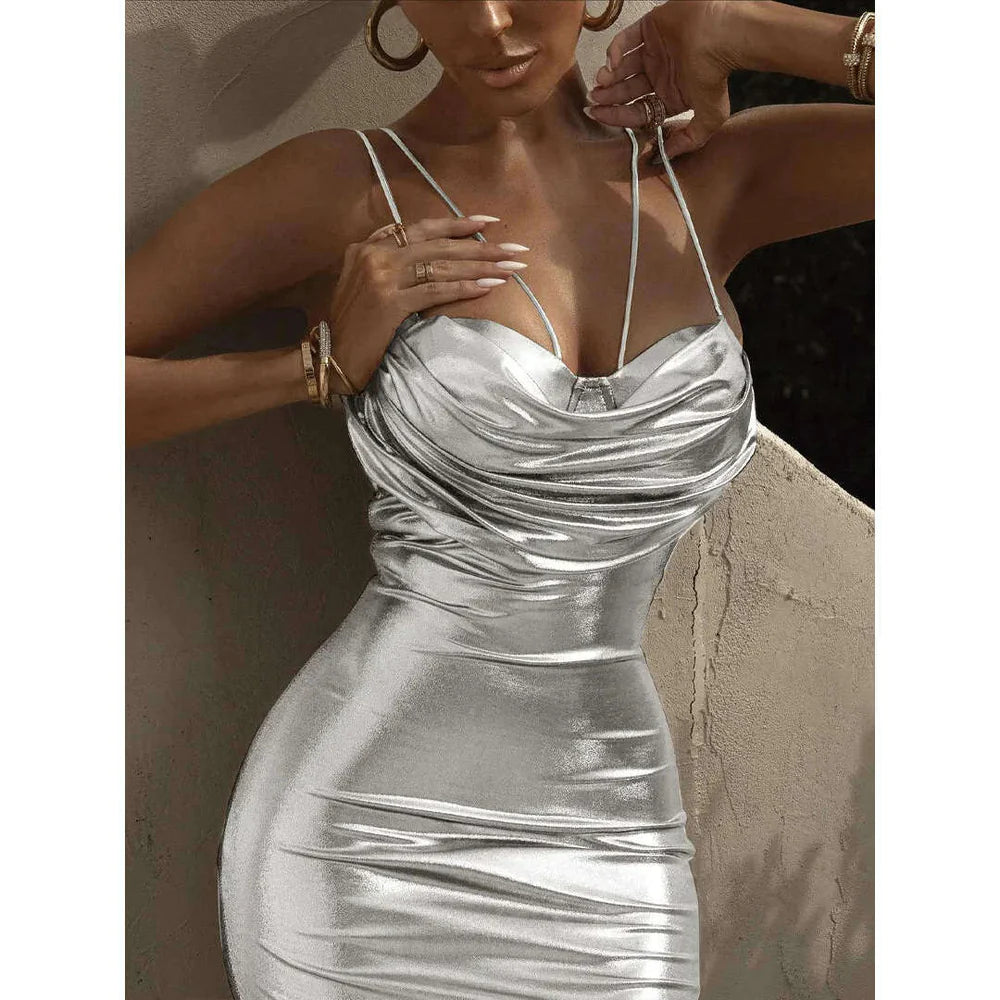
A strapless neckline, sequins and a slit each introduce a different fitting consideration. Use the movement checks below when assessing a dress with these details, and confirm the measurements and length on the individual product page.
1. Give the dress a real-life brief
Before deciding whether a dress looks good, decide what you want it to do. A long lunch with a walk afterward asks something different from an evening spent mostly indoors. A dress for a standing reception needs a different comfort check from one for a seated performance. The point is not to build a rulebook. It is to stop assessing a garment for a life you will not actually be living in it.
Picture the less photogenic parts of the outing. There may be stairs, a car journey, a coat to carry, or a bag sitting against the fabric. You might need to reach across a table or walk over uneven paving. These details are useful because they give you something concrete to test.
Choose your non-negotiables first
Perhaps you want to wear a regular bra. Perhaps you dislike adjusting straps, prefer flat shoes, or need enough room to take a comfortable stride. These preferences should guide the choice of dress from the beginning. They are not inconveniences to be overcome after you have fallen for a photograph.
Choose two or three priorities rather than demanding everything from one piece. A densely embellished dress may be the one you want for a celebration without being the dress you pack for a relaxed weekend. A simple knit might earn its place because you can wear it with clothes you already own. Neither needs to pretend to be the other.
Separate the garment from the styling
Try to assess the dress before adding the jacket, jewelry and bag. If the fit is uncomfortable on its own, accessories will not solve it. If it feels good but visually unfinished, that is a styling question, and usually a more enjoyable one. Keeping the two decisions separate helps you avoid buying another layer merely to make a poorly fitting dress bearable.
2. The movement check
A still reflection tells only part of the story. Once the dress is on, give yourself a few ordinary movements before deciding. There is no need to perform an elaborate routine. Walk, sit, reach, turn, and notice whether the garment settles naturally afterward.
Walk at your normal pace
Take several steps without shortening your stride to accommodate the dress. If the hem rises, stop and see whether it settles again or stays gathered. A small amount of movement is normal in clothing; continual pulling and rearranging is worth investigating. The cause might be the cut, the length, the fabric, or a size that does not offer enough room where you need it.
Check any slit while walking rather than only while standing. Its position can change as the fabric moves. You should feel comfortable with the coverage in motion, not just with the shape of the dress in a photograph.
Sit fully, then stand again
Use a chair rather than hovering at its edge. Notice the neckline, waist, hem and lining. Can you sit comfortably without holding the garment in place? When you stand, does it return to a position you like? If you plan to spend much of the occasion seated, give this part of the check proper attention.
Look for pressure that becomes noticeable only after a minute or two. A waistband or seam can seem fine at first and then become distracting. The useful question is not whether you can tolerate it briefly, but whether you want to spend the occasion thinking about it.
Reach for something
Lift your arms as if putting on a coat, greeting someone, or reaching for a shelf. Check whether straps stay where you want them and whether a strapless neckline remains comfortable. Do not rely on standing perfectly still to keep the dress in place. If a neckline requires constant monitoring, another construction may suit you better.
Look from more than one angle
Use a second mirror if one is available. Look at the side seams, back, fastening and hem. The aim is not to inspect your body for supposed flaws. It is to see whether the garment is twisting, pulling or sitting differently from how you expected. A quick photograph can help you compare outfits, but your comfort matters more than finding a single favorable camera angle.
3. Read the fabric, not just its name
Words such as knit, jersey and stretch describe useful aspects of a fabric, but they do not tell you everything about the finished dress. Weight, construction, lining and cut all affect the result. Two dresses with similar fiber descriptions can feel quite different when worn.
Notice how the fabric rests
Look at the dress without deliberately smoothing it into position. Does it skim where you want it to skim? Does it gather into folds that belong to the design, or does it appear strained around a seam? Ruching is an intentional detail; accidental pulling is a separate issue. You do not need to dislike every crease, but it helps to understand what you are seeing.
A thicker fabric is not automatically better, and a lighter one is not automatically unsuitable. A substantial knit may offer the visual structure you prefer. A lighter jersey may feel easier in warm conditions. Consider the actual garment and the way you intend to wear it rather than assuming one texture always wins.
Check opacity under ordinary light
Look at the fabric in a reasonably bright space, including where it stretches across the body. Check the back as well as the front. If you are buying online, look for lining information and clear photographs, and ask about details that remain uncertain. A dark color alone is not a guarantee of opacity.
Choose underwear before making your final judgment about the look. Contrast, seams and texture underneath can affect what you see through a close-fitting fabric. This is not an instruction to conceal your body. It is simply part of deciding whether the finished outfit looks the way you want.
Treat embellishment as a practical detail
Sequins and beads bring texture and reflected light, but also deserve a closer comfort check. Notice the underarm area, neckline and places where the dress meets a bag strap. Check whether your intended jacket lining catches against the surface. Avoid testing delicate fabric by pulling at it; gentle handling is enough to reveal whether two pieces sit comfortably together.
Before buying, read the care instructions available for the individual garment. Do not assume that all fitted dresses can be washed or stored in the same way. The care requirements should fit your expectations just as much as the silhouette does.
4. Use measurements without treating them as a verdict
A size label is a starting point, not a description of your body. Use the chart supplied for the individual product, and check whether it refers to body measurements or garment measurements. Those are different things. A garment measurement also needs context about the intended fit and stretch before it can be meaningfully compared with your own.
Measure according to the seller’s instructions, keeping the tape level and avoiding pulling it tight. If your measurements fall across different sizes, do not automatically choose the smallest number or assume that stretch will resolve every difference. Ask for guidance on the area that matters most to the fit.
Pay attention to length and torso proportions
Bust, waist and hip measurements are useful, but the placement of the dress’s features matters too. A waist seam may sit above or below where you want it. A neckline can feel lower than it appears on a model. A slit or shaped panel can land differently depending on height and torso length.
Where a product gives a garment length, compare it with a dress you already own and enjoy wearing. Measure from the same stated point where possible. This gives you a more useful reference than assuming that the word midi or maxi will look identical on everyone.
Do not ask alterations to solve every problem
A qualified alterations professional can assess whether a particular adjustment is feasible. Stretch fabric, lining, embellishment and seam placement can make changes more involved than they first appear. Get that advice before relying on an alteration to make an unsuitable purchase work.
If several areas need changing, consider whether a different dress would be the simpler choice. The goal is a garment that supports the outfit, not a project that begins with a long list of compromises.
5. Choose foundations for comfort
The best foundation is the one that works with the neckline and fabric while feeling comfortable to you. It might be familiar underwear, a different bra shape, a slip, or nothing additional beyond what you normally wear. Shapewear is optional. It is not an entry requirement for a fitted dress.
Start with the neckline and back
Try the dress with the support you actually intend to wear. Check straps, cups and band placement from the front, side and back. If your preferred bra is incompatible with the dress, decide whether you genuinely want a different option. You are allowed to choose a different neckline rather than build an uncomfortable solution around the first one.
For strapless or open-back designs, assess both comfort and stability. Follow the relevant product instructions for any specialist foundation. Do not assume that a styling accessory will compensate for a dress that does not fit securely.
Think about edges, not only labels
Underwear described as seamless can still show through some fabrics. Check the actual combination. An edge may be visible because of its thickness, placement, color contrast or the way it presses into the fabric above it. Trying a different cut can be more useful than repeatedly adjusting the same piece.
If you choose shapewear, repeat the sitting and walking checks with it on. More compression is not automatically a better result. Avoid anything that feels painful or restricts comfortable breathing or movement. The outfit should not depend on enduring discomfort for the sake of a smoother photograph.
6. Build the outfit around three lines
Once the dress fits, look at the neckline, the hem, and the end of your outer layer. These three lines give the outfit much of its structure. Thinking about where they land is often more useful than adding another accessory.
The neckline: decide what surrounds it
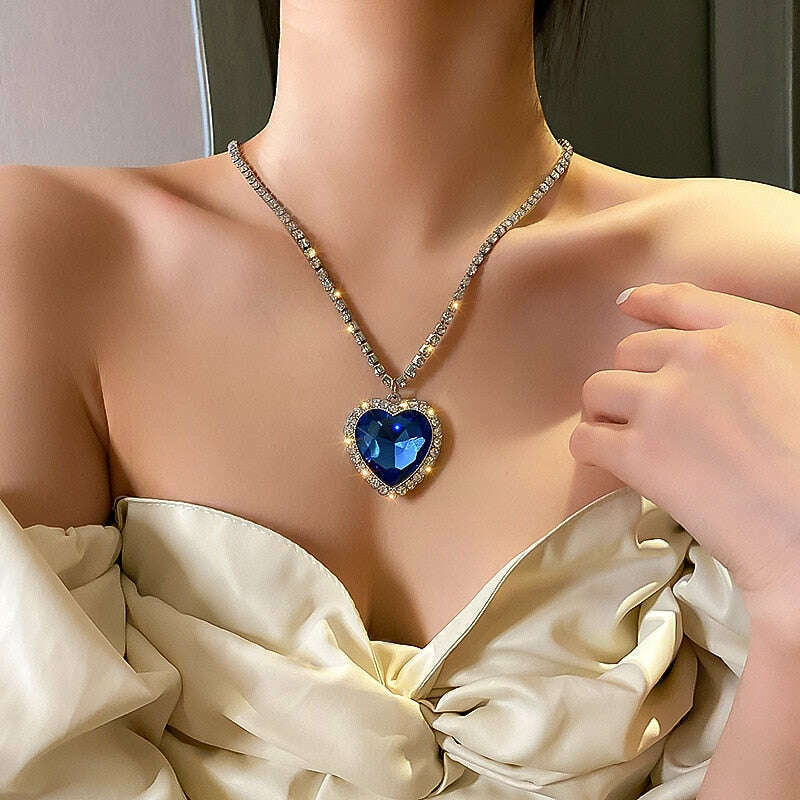
A detailed neckline may look complete without a necklace. A simple open neckline might welcome one, but it does not demand one. Try the jewelry and then remove it. Which version lets you notice the dress and the person wearing it, rather than a cluster of competing details?
Hair, earrings and a jacket collar also occupy this space. If a necklace keeps catching against a collar, choosing different earrings may be a more satisfying answer than finding yet another necklace. The aim is not minimalism for its own sake. It is a composition you enjoy.
The hem: compare it with the shoe
Try the dress with two genuinely different shoe shapes. A slim sandal leaves a different impression from a substantial loafer or boot. Neither is inherently correct. Look at the whole outfit, then walk in it. A shoe that looks appealing while you stand still may not suit the distance or surface ahead.
If boots and a dress hem nearly meet, check how they behave when you sit. If a long hem catches beneath a heel, do not ignore it because the proportions look good in the mirror. Practical adjustments belong in the styling process, not after you leave home.
The outer layer: notice where it stops
A cropped jacket, long blazer and open coat create different frames around the same dress. Try the layer both open and closed if you expect to wear it both ways. Check whether its fastening pulls across the dress or its pockets add more bulk than you want.
If the outfit feels crowded, change one length before changing everything. A jacket ending slightly higher or lower can make more difference than another piece of jewelry. Take a step back from the mirror so you can see the entire arrangement rather than concentrating on one detail.
7. Solve the detail that feels wrong
When an outfit feels unfinished, identify the specific problem before shopping for a solution. Too formal, too busy, uncomfortable and unfamiliar are different experiences. Naming the issue gives you a better chance of making a useful change.
The dress keeps riding up
Repeat the walking check without a bag or outer layer to see whether another item is contributing. Look at the fit through the hips, the lining, and any friction from hosiery or underwear. Do not assume that a longer hem alone will fix the problem. If the garment continues to need constant adjustment, compare a different cut or size rather than planning to pull it down all evening.
The outfit feels more dressed up than you intended
Remove one formal element first. Try a quieter bag, simpler jewelry or a shoe with less shine. You do not have to replace the entire outfit with casual pieces. Sometimes the dress can remain the focus while everything around it becomes more understated.
Be realistic about the dress itself. A heavily sequined piece may still feel celebratory with flats, and that is not a styling failure. Some garments have a strong character. You can enjoy that character instead of forcing every dress into every setting.
The outfit feels visually busy
Look for repeated focal points. Perhaps there is a slit, an elaborate neckline, a bright shoe and a patterned bag all asking for attention. Choose the detail you most want to keep, then simplify something else. This is an editing exercise, not a ban on color or expressive dressing.
The look is good, but it does not feel like you
Bring back something familiar: the earrings you reach for most often, a jacket you love, or shoes you already know how to move in. A fitted dress does not require you to adopt a new personality. If you prefer practical bags, flat footwear or less jewelry, make those preferences part of the outfit rather than treating them as obstacles.
8. Make a repeat-wear plan
Before giving a new dress a permanent place in your wardrobe, imagine two realistic ways you would wear it. They do not need to belong to different dress codes. Two dinners with different weather, or a celebration with and without a coat, can be a perfectly useful plan.
Use pieces you own for the first version. If the dress only works after several additional purchases, include those in your decision. There is nothing wrong with building a special outfit, but it is better to choose that knowingly than discover it later.
Keep a simple outfit record
Once a combination works, take a private reference photograph or make a short note. Record the shoes, foundation and layer as well as the dress. Those less visible decisions are often what make the outfit easy to repeat. Note anything that needs attention before the next wear, such as a loose fastening or a care requirement.
Store and clean the garment according to its own instructions. Check embellishment and delicate surfaces before putting other items against them. A little attention between wears is more useful than assuming that every knit should hang or every evening dress needs the same treatment.
When comparing options, use KIMLUD’s Bodycon Dresses by KIMLUD collection as a starting point, then read the individual product details. The collection gives you a place to browse; the product’s measurements, construction and care information should guide the final choice.
9. Frequently asked questions
How should a bodycon dress fit?
It should follow the body in the way its design intends while allowing comfortable movement. Check walking, sitting, reaching and the position of the neckline. A close fit does not need to mean continual pulling, painful pressure or a restricted stride.
Should I size up in a bodycon dress?
Not automatically. Compare your measurements with the individual product’s size guidance and ask for clarification when you fall between sizes. A different size can change several areas at once, so assess the whole garment rather than trying to solve one tight point in isolation.
Can I wear a bodycon dress without shapewear?
Yes. Shapewear is a personal option, not a requirement. Choose underwear and support that feel comfortable and work with the dress. If you use an additional foundation, repeat the movement check with it on.
Why does my bodycon dress twist?
Possible contributors include fit, garment construction, lining and contact with other layers. Check that the dress is positioned correctly, then assess it without a jacket or bag. Persistent twisting deserves a closer inspection rather than a styling trick that only hides it.
Do bodycon dresses need heels?
No. Flats, loafers, sandals, sneakers or boots may work, depending on the dress and your plans. Compare the shoe’s shape with the hem, and choose footwear you can comfortably use on the surfaces and distances involved.
How do I know whether a fitted dress is suitable for an event?
Start with the invitation or host’s dress guidance, then consider coverage, length, fabric and the event’s practical demands. A bodycon silhouette alone does not establish a dress code. Ask the host if the expectations remain unclear.
Can accessories fix a dress that feels uncomfortable?
Usually that is a fit or construction question rather than an accessory question. Resolve the discomfort first. A jacket, belt or statement necklace may change the appearance, but it should not be used to distract you from a garment you cannot comfortably wear.
10. The final fitting-room decision...
The most useful question is not whether a bodycon dress makes the strongest first impression. It is whether you still like it after you have walked, sat down, put on your coat and stopped arranging yourself for the mirror.
A good choice leaves room for your preferences. It works with support you are happy to wear, shoes suited to your plans, and proportions you enjoy. It does not need a list of promises about confidence or a set of rules about which bodies belong in fitted clothes.
Choose the dress that lets the outfit become part of your day rather than the subject of it. Then keep the combinations that work, change what does not, and give yourself permission to wear a favorite more than once.
11. Sources & References
Bodycon Dresses by KIMLUD and KIMLUD Bodycon Dresses: collection references for exploring fitted dress styles. The fitting-room suggestions above are editorial guidance, not claims that every dress has the same fabric, sizing, support or care requirements.