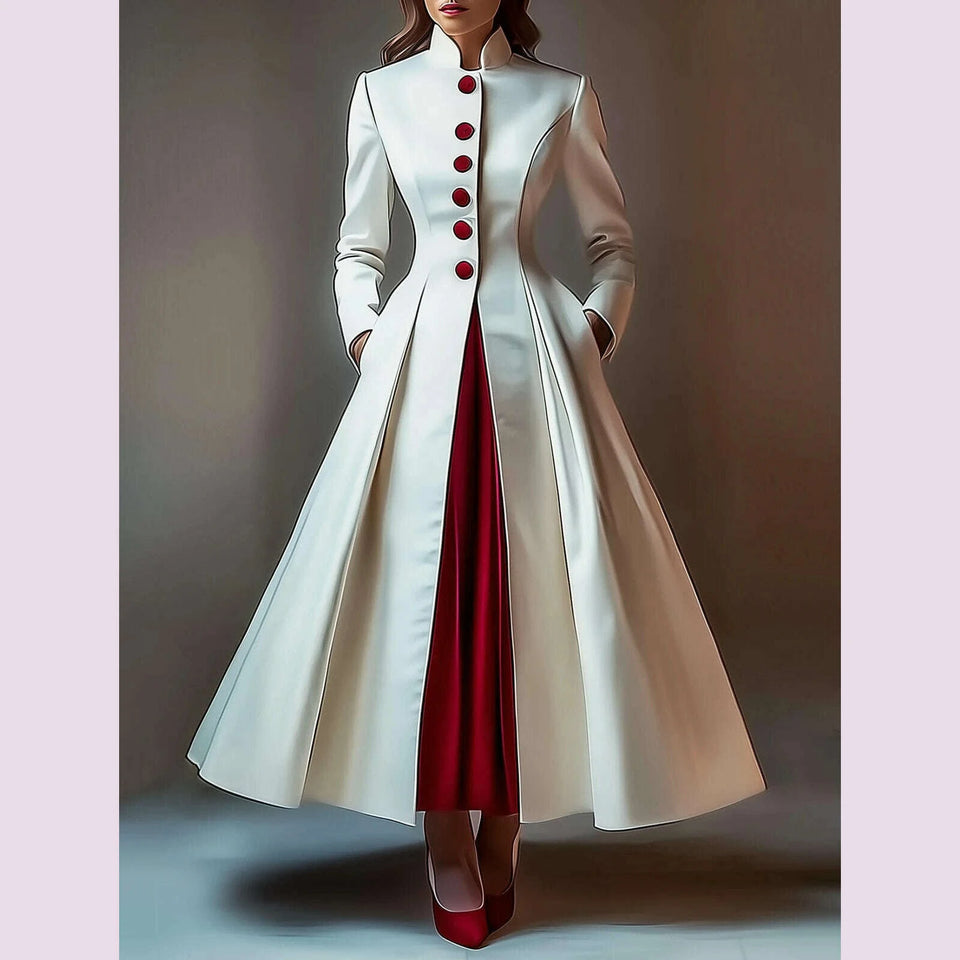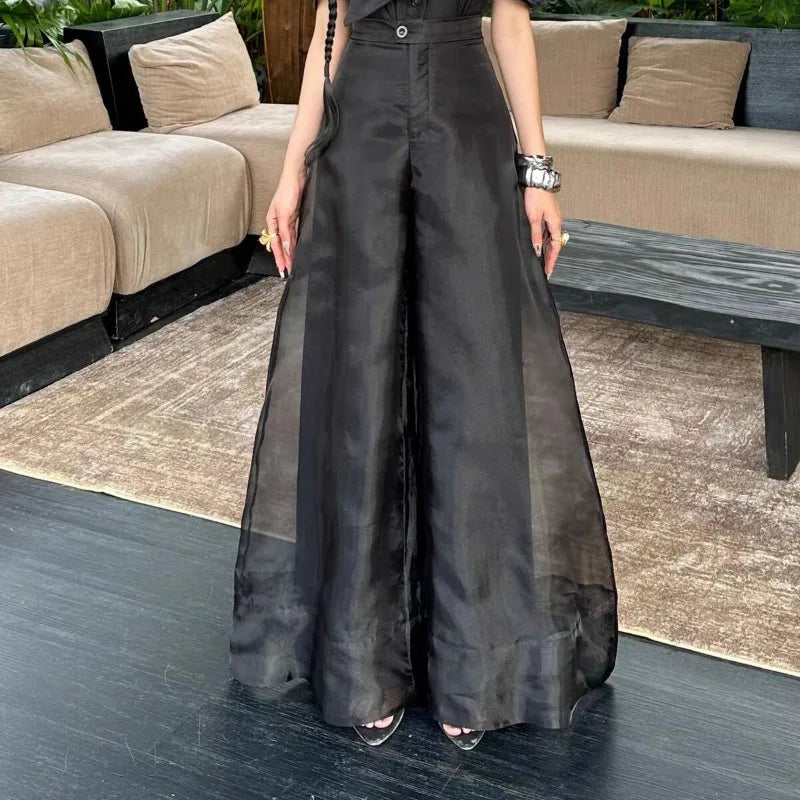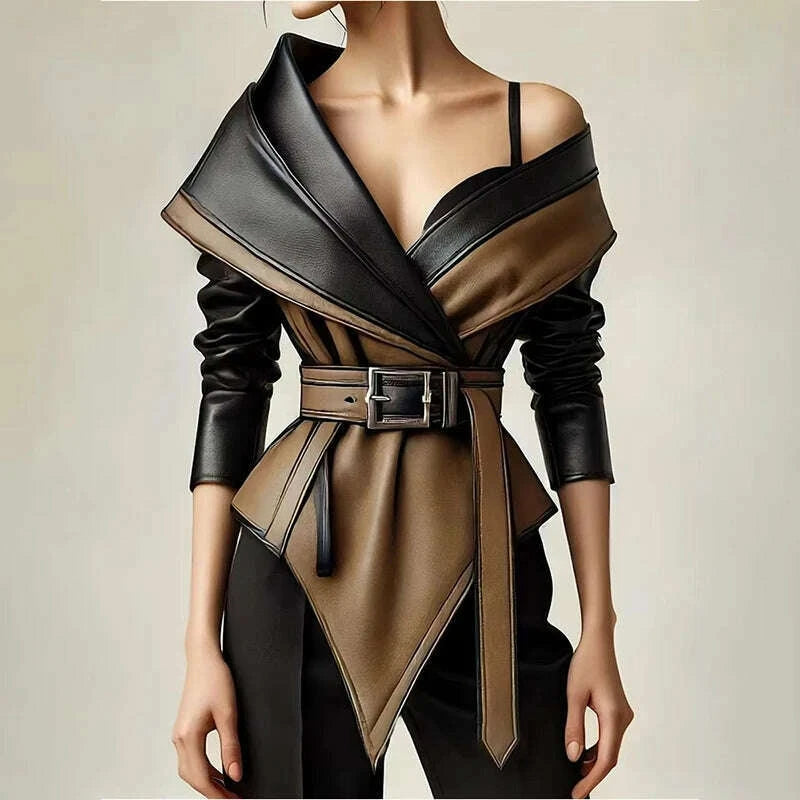


The art of preserving beautiful things, from silk organza and cashmere to genuine leather, heirloom jewelry, sculptural hats and the natural textures that make a house feel like home.
The Quiet Luxury of Taking Care
There is a particular pleasure in owning something beautiful and knowing how to preserve it. It might be the fluid movement of a silk blouse, the delicate translucency of organza, the comforting softness of cashmere against the skin, or the reassuring weight of a beautifully constructed leather handbag. Perhaps it is a Panama hat that recalls long afternoons in the sun, a wool coat acquired for its timeless silhouette, a strand of pearls worn for special occasions, or a natural-fiber rug that brings warmth and texture to a carefully considered interior. These objects become part of the way we dress, live and express ourselves. Their value is not measured by appearance alone, but also by the memories, craftsmanship and personal meaning they accumulate over time.
Yet even the most exquisite material has its own vulnerabilities. Silk may lose its lustre through unsuitable cleaning, wool can shrink or felt when exposed to excessive heat and agitation, leather may become discolored by incompatible products, and delicate embellishments can loosen when a garment is handled without sufficient care. A hat may lose its shape, a pearl may lose its surface quality, and an improperly stored wig may become tangled or difficult to style. Caring for these pieces is therefore less about applying a universal cleaning routine and more about understanding the nature of the material in front of you. The most elegant approach is often the least aggressive: thoughtful maintenance, appropriate storage, prompt attention to spills and a willingness to seek professional help when the risks outweigh the benefits of cleaning at home.
In a world that often encourages constant replacement, considered care offers a different perspective. It invites us to pay attention to the objects we already own, to recognize the distinction between natural fibers and synthetic constructions, and to understand why a delicate evening dress cannot be treated like an everyday cotton shirt. It also reminds us that quality and longevity are not determined by price alone. A modest linen shirt can remain a wardrobe favorite for years when washed appropriately, while an expensive accessory can deteriorate quickly if exposed to unsuitable chemicals or poor storage conditions. The following guide explores the materials that define fashion, accessories and interiors, offering practical principles for preserving their beauty without compromising their individual characteristics.
Before You Begin: Understanding What Your Garment Is Made Of
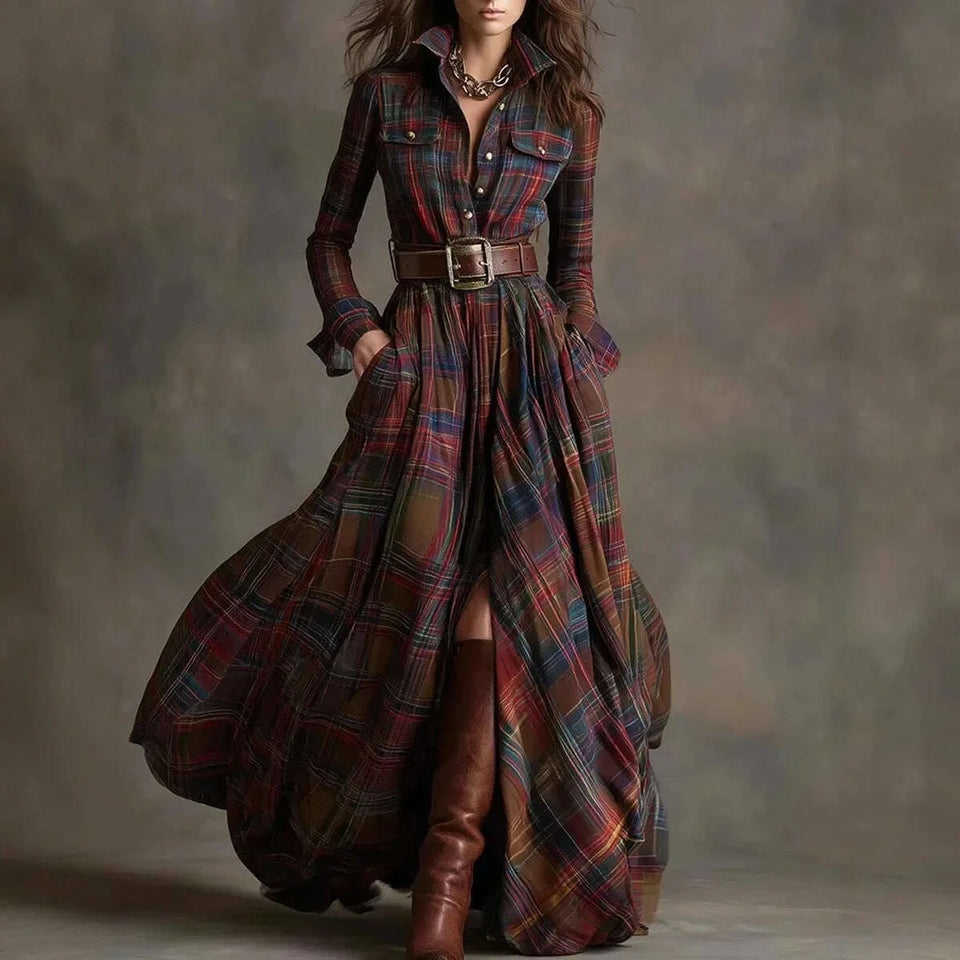
The first step towards better garment care begins before a washing machine is switched on or a cleaning product is opened. It begins with identification. A fabric's appearance can be misleading, particularly when modern textiles combine different fibers, finishes and construction techniques. Satin, for example, describes a weave rather than a specific fiber: a satin garment may be made from silk, polyester, acetate or a blend. Velvet can similarly be constructed from different fibers, while a plaid or tartan pattern tells you something about the design rather than the composition. Even products marketed as leather alternatives may combine polyurethane, other polymers, plant-derived ingredients, textile backing and protective coatings. Understanding the distinction helps prevent well-intentioned care from becoming an expensive mistake.
The care label should always be your starting point, followed by any instructions supplied by the manufacturer or artisan. Look for the fiber composition, recommended washing method, permitted drying process and ironing guidance. Pay particular attention to garments with linings, padding, pleats, embroidery, beads, metallic threads, bonded decorations or structured shoulders, since the construction can determine how the entire piece must be cleaned. A fabric may tolerate water while its lining does not; a metal accessory may resist tarnishing while its glued gemstone setting is sensitive to moisture. Vintage and second-hand items require additional caution because previous cleaning, aging, dye instability and weakened components may alter their condition.
When information is missing, avoid guessing. A discreet test on an inconspicuous area may help identify an immediate adverse reaction, but it cannot guarantee that a cleaner is safe for the entire item. Water rings, dye migration, shrinkage, coating damage and adhesive failure can appear only after more extensive treatment or drying. For valuable, unfamiliar or delicate pieces, professional assessment is the more prudent choice. Good care is not about proving that an item can be cleaned at home; it is about selecting the method that carries the least reasonable risk.
Silk, Organza, Lace and Satin: The Beauty of Delicate Fabrics
Few fabrics capture the imagination quite like silk. Its natural sheen, fluid drape and ability to reflect light have made it a favorite for blouses, scarves, evening dresses, linings and luxurious accessories. Yet silk is not a fabric to approach casually. Different weaves, dyes and finishes respond differently to water, friction and heat, and some silk garments are suitable only for professional cleaning. A silk blouse that appears simple may contain delicate seams or a finish that changes when wet, while a printed scarf may release color during washing. The safest routine is to follow the garment's instructions, protect it from perfume and cosmetics, and deal with spills by blotting rather than rubbing. When ironing is permitted, use the recommended low temperature and pressing method. Store silk clean and dry, away from prolonged direct sunlight, and avoid leaving it compressed beneath heavy garments for extended periods.
Organza offers an entirely different expression of delicacy. Light, sheer and often crisp, it is frequently used for bridalwear, occasion dresses, layered skirts, sleeves, decorative bows and elegant overlays. Its airy appearance can conceal a surprisingly complex construction, particularly when combined with embroidery, beads, pleats or stiffening treatments. Traditional silk organza and synthetic organza should not automatically be treated alike, and the care requirements of a finished gown may be more demanding than those of the fabric itself. Avoid twisting, wringing or aggressively rubbing organza, and do not assume that steaming or ironing is harmless. Heat can affect synthetic fibers, while moisture and pressure may alter a carefully constructed silhouette. For formalwear with elaborate detailing, specialist cleaning is usually the more sensible route. Storage should preserve the garment's shape, allowing enough room for its sheer layers to breathe without catching on zippers, hooks or jewelry.
Lace, chiffon, georgette, tulle and satin each call for the same fundamental respect for construction. Lace may contain cotton, silk, nylon or polyester threads, sometimes interwoven with metallic details or attached embellishments. Chiffon and georgette can snag or distort when pulled, while tulle may lose its structure if pressed or handled too forcefully. Satin, meanwhile, requires particular attention to its fiber composition because the smooth surface does not reveal whether the textile is natural or synthetic. Keep these fabrics away from sharp accessories, avoid rubbing stains into the fibers and follow the label when choosing between washing and professional cleaning. For garments with intricate embellishments, bonded details or multiple layers, the safest method is determined by the most delicate component rather than the strongest one.

Cotton, Linen, Wool and Cashmere: Natural Fibers, Different Personalities
Natural fibers are often celebrated for their comfort, breathability and distinctive textures, but their origins do not make them interchangeable. Cotton is practical and versatile, appearing in everything from everyday T-shirts and denim to crisp shirts, bedding and canvas accessories. Many cotton garments can be machine-washed, but temperature, dye, fabric weight and construction still matter. Dark denim may transfer color, printed cotton may require a gentler cycle, and stretch denim can be damaged by excessive heat. Washing only when necessary, following the label, separating colors where appropriate and air-drying when practical can help preserve the appearance of everyday essentials. Even cotton benefits from restraint: aggressive detergents, unnecessary high temperatures and repeated tumble-drying may cause avoidable wear.
Linen, made from flax fibers, has a character all its own. Its natural creases are part of its appeal, lending shirts, trousers, dresses and home textiles a relaxed elegance that does not depend on perfect smoothness. Linen often responds well to careful washing when the label allows it, but lightweight weaves, dyed fabrics and linen blends may require different treatment. Avoid unnecessary twisting and reshape garments while damp when appropriate. If ironing is permitted, linen is often easier to press when slightly damp, using a temperature suited to the fiber and finish. For storage, clean and completely dry linen should be kept in a well-ventilated, dry environment. Prolonged direct sunlight can fade colored textiles, while storing any natural fiber before it is fully dry may encourage unpleasant odors or mildew.
Wool introduces a different set of considerations. Its fibers can provide warmth, resilience and a pleasing natural texture, but heat, moisture and agitation may cause shrinkage or felting. Merino, lambswool, alpaca, mohair, camel hair and yak wool are not identical, and even garments made from the same fiber can have different care requirements because of their knit, dye, lining or finish. Follow the label carefully, use a suitable detergent when washing is permitted and avoid wringing wet knitwear. Many sweaters benefit from drying flat and being folded for storage, since hanging can stretch their shoulders and body. Pilling is a normal result of friction rather than automatic evidence of poor quality; remove it gently with a tool designed for the particular knit rather than pulling pills away by hand.
Cashmere deserves special attention because its fine fibers create a soft, lightweight fabric that can be particularly vulnerable to rough handling. A cashmere sweater should be cleaned according to its label, reshaped carefully when wet and dried using the recommended method. A suitable cashmere comb may help remove surface pills, but excessive brushing can damage the fabric. Store clean cashmere folded, not stretched on a narrow hanger, and protect it from moths and other textile pests using an appropriate storage strategy. The same thoughtful approach applies to other specialty animal fibers, although the best technique depends on the particular fiber and garment. The aim is not to make natural textiles look perpetually new, but to preserve their structure and comfort while allowing them to age gracefully.
Leather, Suede and Genuine Fur: Preserving Distinctive Materials
Leather is valued for its texture, durability and ability to develop character through use, yet its response to cleaning depends heavily on the finish. Smooth pigmented leather, aniline leather, patent leather, suede and nubuck may look related but require different methods. For many smooth leather bags, wallets, belts and jackets, routine care begins with removing surface dust using a soft cloth and keeping the item away from excessive moisture. Any cleaner or conditioner should be approved for the particular leather finish, because unsuitable products can darken the surface, leave residue or affect the protective coating. Structured handbags benefit from careful storage with suitable support, while jackets should be placed on broad, supportive hangers. Suede and nubuck generally require their own brushes and products, and should not be treated with ordinary leather creams without confirming compatibility.
Vegan leather and other leather alternatives deserve equally thoughtful attention. The term covers a range of constructions, including polyurethane-coated textiles, PVC-based materials and composites incorporating plant-derived ingredients. Some are easy to wipe clean; others can be damaged by solvents, excessive heat, strong oils or incompatible conditioners. Identify the actual material wherever possible, avoid saturating seams and backing fabrics, and follow the manufacturer's recommendations. A plant-based label does not necessarily mean that the finished product is untreated, entirely biodegradable or suitable for water-based cleaning. Similarly, genuine leather does not automatically benefit from conditioning: the correct treatment depends on its finish and the supplier's guidance.
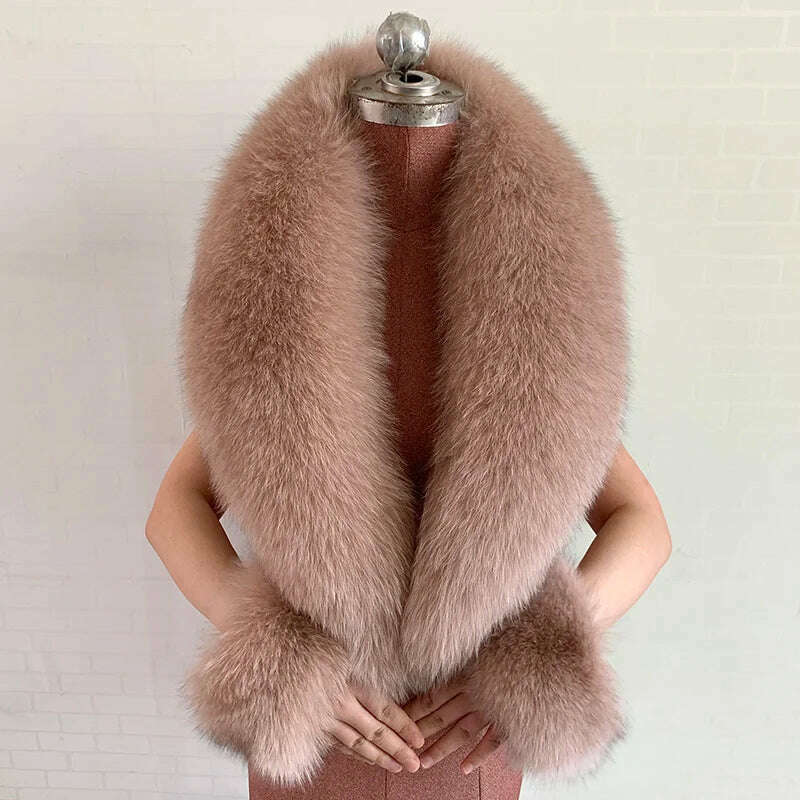
Genuine fur presents a more specialized challenge because the animal hair is attached to a hide that may become stiff or deteriorate under unsuitable conditions. Fur coats, collars, cuffs, hats and accessories should be handled gently and protected from prolonged sunlight, direct heat, excessive humidity and crushing pressure. Ordinary household stain removers, washing machines and hair dryers are not appropriate substitutes for specialist fur care. If a genuine fur item becomes wet, heavily soiled or develops a persistent odor, consult a professional experienced in fur garments rather than experimenting with home treatments. Store the item with sufficient space and suitable support, following the specialist's recommendations for long-term storage and pest protection.
Leather sofas, upholstered furniture and sheepskin pieces also require material-specific attention. A sofa's finish, cushion construction and upholstery backing can determine whether a particular cleaner is appropriate, so do not assume that a product intended for a leather handbag will work safely on furniture. Vacuum gently when suitable, blot spills instead of rubbing them, and keep leather upholstery away from excessive heat and prolonged direct sunlight. Shearling and sheepskin combine hide and wool, making their care more complex than that of either component alone. For valuable pieces, deep stains, dye transfer, cracking or major discoloration, a qualified leather, fur or upholstery specialist can assess the safest available treatment.

Hats: From the Panama Hat to Wool Felt
A well-chosen hat can transform an outfit, but preserving its silhouette requires more than keeping it clean. Traditional Panama hats are woven from toquilla palm straw, although the name is also used commercially for hats made from other materials. The traditional woven version should be protected from rain, excessive humidity and harsh sunlight, and handled by the brim rather than repeatedly pinching the crown. Store it in a supportive hat box or on a suitable stand to protect its shape. Avoid soaking the straw or forcing the crown and brim back into position after distortion; a specialist can advise on reshaping when necessary. Decorative bands and internal sweatbands may have different cleaning requirements from the woven body.
Wool hats, felt hats, beanies and structured caps also differ considerably. A knitted wool beanie may be washable when its label permits, while a shaped felt hat may require brushing and professional reshaping. Felt can be made from wool, fur fibers or synthetic materials, so appearance alone cannot identify the correct treatment. Straw, raffia and other woven hats are similarly sensitive to moisture and pressure, while leather hats need products suitable for their particular finish. Keep all headwear away from high heat, store it with adequate support and inspect decorative trim before cleaning. If the hat contains glued embellishments, a delicate lining or a rigid insert, the construction should guide the care method. A little attention after each season can help a favorite hat retain its proportions and remain ready for many more occasions.
Human-Hair Wigs and Extensions: Care Begins with Construction
Human-hair wigs and extensions require a balance between maintaining the hair itself and protecting the construction that holds it in place. Virgin, Remy, colored, bleached and chemically processed hair can respond differently to washing and heat styling, while lace-front wigs, full-lace designs, tape-in extensions and keratin-bonded pieces introduce additional considerations. Begin by following the supplier's instructions and identifying the attachment system before selecting products. Where recommended, gently detangle the hair from the ends upward before washing, taking care not to pull on the lace, knots or attachment points. Use compatible shampoo and conditioner, and avoid applying oily products to adhesive areas if the manufacturer advises against it.
Drying and storage matter just as much as washing. Some human-hair wigs can be heat-styled, but the permitted temperature depends on processing, construction and supplier guidance; human hair is not immune to heat damage. Support the wig cap while handling it, avoid pulling at delicate lace and allow the item to dry according to its instructions. Store it clean and dry on a suitable stand or in a protective case that minimizes tangling and dust. Synthetic and heat-resistant wigs should be treated according to their own fiber specifications, since heat resistance does not mean that a fiber can withstand unlimited temperatures. When an adhesive system is involved, use only products approved for that system. If you are unsure how to remove adhesive or maintain a delicate hairpiece, a qualified wig professional can help prevent damage that may be difficult to repair.
Jewelry: The Small Details That Deserve Care
Jewelry often sits close to the skin, making it particularly vulnerable to perfume, perspiration, cosmetics and everyday friction. Gold, silver, platinum, brass, copper and stainless steel have different properties, while plating and surface treatments introduce another layer of complexity. A soft, clean cloth is a sensible starting point for routine maintenance, but the correct polishing method depends on the metal and finish. Gold-plated and gold-filled pieces should not automatically be treated like solid gold, and aggressively polishing an oxidized silver design may remove the intentional dark details that give it character. Store pieces separately to reduce scratches and tangling, and keep them dry when appropriate.
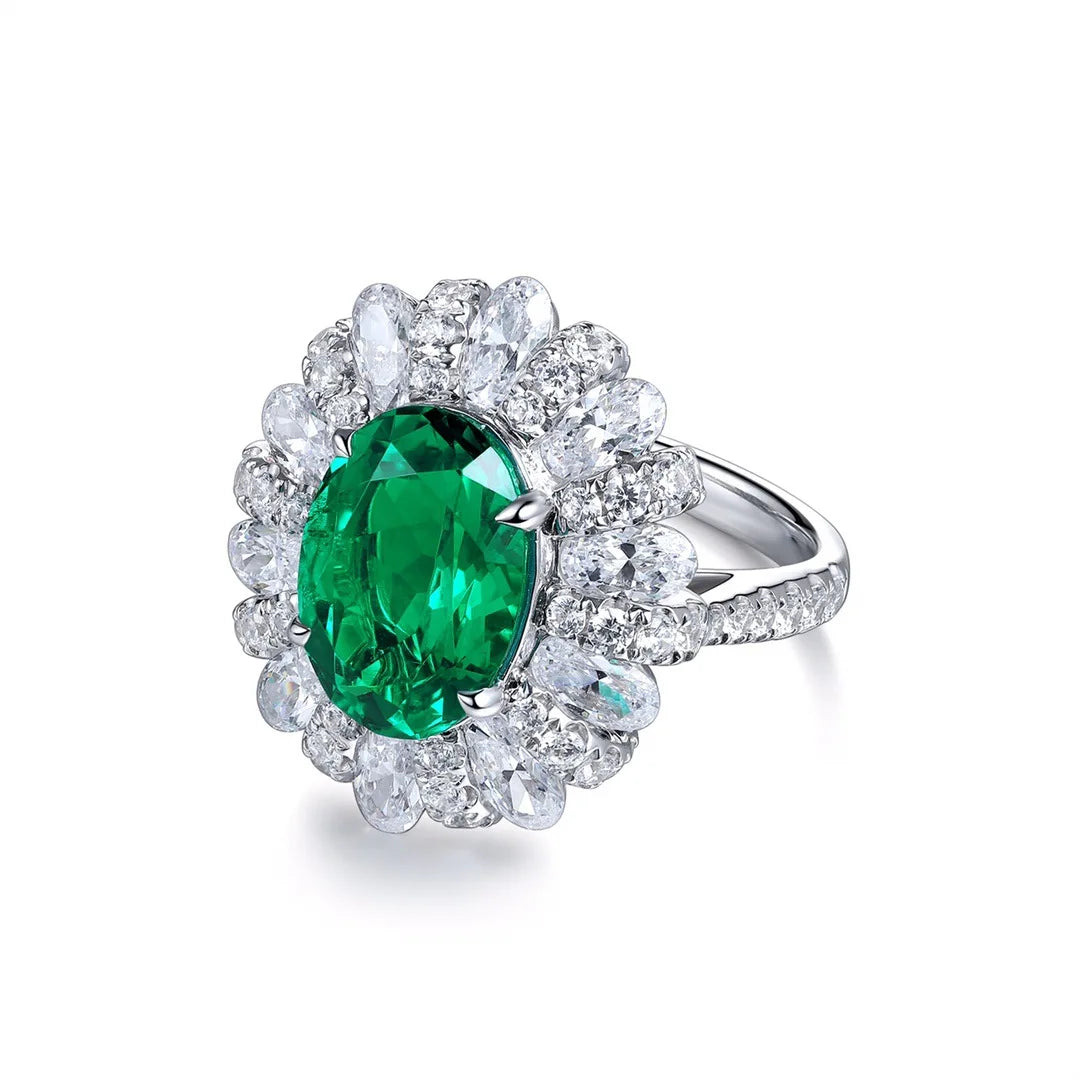
Gemstones and organic jewelry materials require even greater caution. Pearls, amber, opal, turquoise, shell and mother-of-pearl may be sensitive to chemicals, heat, abrasion or prolonged moisture. Diamonds, sapphires and rubies are relatively hard gemstones, but the setting, treatment, surrounding materials and condition still determine which cleaning methods are suitable. Ultrasonic and steam cleaners should not be used indiscriminately, particularly when stones have been treated, filled, glued or set in delicate constructions. Wipe pearls gently after wearing and keep them away from perfume, hairspray and harsh detergents. For valuable pieces, loose stones or damaged clasps, a qualified jeweler can recommend appropriate maintenance and inspect settings before a problem becomes more serious.
Costume jewelry, resin accessories and crystal-embellished pieces deserve the same careful assessment, even when they are less expensive. Their metal plating, painted details, adhesives and decorative coatings may be more vulnerable than the visible stones or beads suggest. Avoid immersing mixed-material pieces unless the maker confirms that it is safe, and store them in individual compartments or pouches to minimize friction. The guiding principle is simple: jewelry should be cleaned according to its most delicate component, not its most durable one.
Wool Rugs, Leather Sofas and Natural Home Textiles
The principles of thoughtful material care extend naturally into the home, where rugs, upholstery, curtains and decorative objects are exposed to regular use, sunlight, dust and occasional spills. Wool rugs can provide warmth, resilience and texture, but their cleaning requirements depend on pile, construction, dye stability and backing. Regular vacuuming with a suitable setting helps remove loose debris, while spills should be blotted promptly with a clean, absorbent cloth rather than rubbed into the fibers. Aggressive beater bars, untested stain removers, excessive moisture and uncontrolled steam may damage delicate or valuable rugs. Hand-knotted, antique, silk or heavily stained rugs are best assessed by a specialist who understands their particular construction.
Silk rugs require especially cautious handling because friction, moisture and unsuitable cleaners can alter their appearance. Jute, sisal, coir and seagrass rugs present a different challenge: their natural plant fibers can be vulnerable to saturation and persistent dampness. Even a small spill can affect the backing or floor beneath the rug if moisture is not managed correctly. Follow the maker's instructions, use only an approved spot-cleaning method and ensure the rug dries fully before returning it to its normal position. Cotton, flatweave and synthetic rugs may be more straightforward to maintain, but their backing, dyes and coatings still determine whether machine washing or wet extraction is appropriate.
Furniture and home textiles deserve similarly specific treatment. Leather sofas should be cleaned according to their finish, while velvet, chenille, bouclé, linen and cotton upholstery may have different manufacturer cleaning codes. Dusting and gentle vacuuming can help with routine maintenance, but stains should not be treated with an unverified product simply because it is marketed for upholstery. Natural wood, bamboo, rattan, cork, marble and other stone surfaces also vary in their tolerance of moisture, acids, oils and polish. Marble and other acid-sensitive stones, for example, can be etched by acidic substances, while unfinished wood may absorb liquids that would be harmless on a sealed surface. Understanding the finish is as important as identifying the underlying material.

The Most Common Care Mistakes—and Why Restraint Matters
Some of the most damaging cleaning mistakes begin with perfectly reasonable intentions. A hot wash may seem like the most thorough option, yet it can shrink wool, distort delicate fabrics or affect elastane and coatings. A strong stain remover may appear efficient, but it can strip dye, damage leather finishes or leave a permanent mark on silk. Steam may be useful for certain garments and surfaces, but it is not a universal solution for fur, structured hats, sensitive jewelry, electronics or materials containing adhesives. Even a product labeled gentle can be incompatible with a particular finish. The correct question is therefore not whether a cleaner is generally mild, but whether it is suitable for the complete item being treated.
Another common mistake is confusing natural with indestructible. Cotton, linen, wool, silk, leather, wood and natural stone all have different vulnerabilities. Natural dyes may bleed, plant fibers may deteriorate when repeatedly saturated, and animal fibers can be affected by heat, friction or pests. Similarly, the terms organic, recycled, biodegradable and plant-based describe different characteristics and should not be treated as guarantees of washability or durability. A garment made from certified organic cotton still needs care suited to its weave, dye and construction, while a plant-based leather alternative may contain synthetic polymers or protective coatings. Accurate product information is the foundation of reliable maintenance.
Finally, avoid treating every stain immediately with multiple products. Rubbing can spread the stain or damage the surface, and combining cleaning agents may create additional hazards. Blot liquid spills gently, avoid applying heat until the stain has been assessed, and follow material-specific instructions before proceeding. If the item is expensive, antique, sentimental or difficult to replace, stopping early and asking a specialist is often the wisest decision. The most effective care routine is not the one that uses the most products, but the one that preserves the material with the least unnecessary intervention.

Storage: An Essential Part of Long-Term Care
Proper storage begins with a simple rule: items should be clean and completely dry before they are put away for an extended period, unless a specialist recommends a different approach for a particular material. Dirt, perspiration, food residue and cosmetics can become more difficult to remove over time, while trapped moisture can encourage odors, mildew or deterioration. Use supportive hangers for structured garments, fold heavy knitwear to reduce stretching, and provide enough room for delicate pieces to avoid snagging and crushing. Breathable storage is appropriate for many textiles and leather goods, although the ideal enclosure depends on the material and the environment. Avoid leaving treasured items compressed in unsuitable plastic packaging for long periods without checking the manufacturer's recommendations.
Jewelry benefits from individual storage compartments, while hats should be supported in a way that preserves the crown and brim. Human-hair wigs and extensions should be stored clean and dry, protected from tangling and excessive dust. Leather bags may benefit from clean, suitable stuffing that helps retain their shape, but they should not be forced into an unnatural position. Natural-fiber rugs and textiles need protection from persistent dampness, while valuable fur garments require storage guidance appropriate to the hide and hair. Sunlight, heat, temperature fluctuations and textile pests can all affect long-term condition, so the storage space should be selected with the material in mind rather than convenience alone.
Seasonal transitions are a useful opportunity to inspect garments and accessories before storing them. Check seams, fasteners, clasps, hat bands and decorative settings, and arrange repairs before minor problems become more extensive. Rotate clothing and accessories where practical, and avoid leaving one item permanently under pressure or exposed to direct sunlight. These small habits do not guarantee that materials will remain unchanged forever, but they can reduce avoidable wear and make it easier to enjoy favorite pieces across many seasons.
When to Call a Professional
There is considerable value in learning the basics of fabric care, but there is also wisdom in recognizing when a task requires specialist knowledge. A garment labeled dry-clean-only, a heavily embellished evening dress, a genuine fur coat, a valuable leather bag, an antique rug, a delicate pearl necklace or a complex human-hair wig may involve materials and construction techniques that are difficult to assess at home. Professional cleaners, textile conservators, fur specialists, leather restorers, jewelers, wig professionals and upholstery experts each bring different skills to the problem. Choosing the appropriate specialist is particularly important when the item is valuable, sentimental, vintage or already showing signs of deterioration.
Before handing over an item, describe what happened, identify any products already applied and share the available care information. Do not conceal a previous cleaning attempt, since this may affect the next treatment. For a stain, note its likely source and when it appeared, but avoid guessing if you are uncertain. Photographs can help document the condition, while original labels and manufacturer instructions provide useful context. No professional can guarantee that every stain or form of damage is reversible, but accurate information and an early assessment can improve the chances of choosing an appropriate treatment.
The same principle applies when purchasing new pieces. Ask about fiber composition, surface finishes, cleaning restrictions and storage recommendations before an issue arises. Understanding the care requirements of an item is part of understanding the item itself. It allows you to make informed decisions, protect your investment and appreciate the craftsmanship that went into its creation.
A More Considered Approach to Fashion and Living
Caring for fabrics and materials is ultimately an exercise in attention. It asks us to notice the difference between the softness of cashmere and the crispness of linen, the delicate structure of organza and the resilient character of cotton, the specific needs of genuine leather and the varied properties of its alternatives. It encourages us to recognize that jewelry, hats, wigs, rugs and furniture are not separate from the story of personal style, but part of the environments and rituals through which we express ourselves. Each material has its own language, and learning to care for it is a practical way of appreciating that individuality.
Longevity is not achieved through a single miracle product or a rigid routine applied to everything. It grows from reading labels, choosing compatible cleaners, avoiding unnecessary washing, storing items correctly, repairing damage when practical and asking for help when a material is unfamiliar. These habits can support a more considered relationship with the things we own, reduce avoidable damage and help well-loved pieces remain useful for longer. They also remind us that luxury is not solely about acquiring something beautiful. It is about understanding its qualities, respecting its construction and taking the time to preserve what makes it special.
Whether your wardrobe includes silk eveningwear, cashmere knitwear, a favorite Panama hat, a carefully chosen leather accessory or a cherished piece of jewelry, the same principle applies: care begins with knowledge. When the material is understood and its instructions are followed, maintenance becomes less intimidating and more intentional. The reward is not necessarily an object that never changes, but one that is better protected, thoughtfully maintained and ready to be enjoyed again.
Explore Our Complete Care Encyclopedia
Every material has its own needs, and the right advice begins with the details. Our Complete Care Encyclopedia brings together practical guidance for clothing, natural and specialty fabrics, leather goods, genuine fur, hats, human-hair wigs, jewelry, rugs, upholstery, home accessories and more. Use it as a starting point when identifying a material, checking storage principles or deciding whether specialist care may be appropriate.
If you are unsure about a fabric blend, leather finish, gemstone, hat construction, wig attachment or care label, contact our team before applying a treatment. Where possible, include the product name, the manufacturer's care instructions and clear photographs of the item or affected area. We can then help direct you towards the most relevant guidance available for that particular piece.
Discover our Complete Care Encyclopedia and explore the individual care guides for your favorite materials and accessories.
Related KIMLUD collections: Leather Jackets, Fedora Hats, Trending Jewelry and Area Rugs.
Please remember: This article provides general educational guidance and does not replace product-specific care labels, manufacturer instructions or qualified professional advice. Cleaning methods that are suitable for one version of a material may damage another because of differences in composition, dye, finish, construction or treatment.