

Winter Coats 2026/2027: A Buying Guide to Premium Outerwear
Discover everything you need to know about choosing the perfect winter coat in 2026/2027. From luxurious wool and...
Get holiday style updates. First order? Enjoy 10% off automatically at checkout. No code needed. Cannot be combined with other discounts.
To wear a bodycon dress in winter, pair it with a coat suited to the weather, add knitwear when needed, and choose boots for your plans and walking conditions. Check the dress’s fit, fabric and measurements, then test the complete outfit while sitting and walking. The KIMLUD Edit explores ten styling ideas, from everyday layers to evening outfits, with eleven answers to common questions about fit, sizing, warmth and care.

THE KIMLUD EDIT · FASHION · FALL/WINTER BUYER’S GUIDE
The silhouette stays close. The styling opens up.


The fitted foundation: Knitted Bodycon Mini Dress Stand Collar — Black | KIMLUD. From USD 138.50. Shop the black stand-collar mini dress.
When the temperature falls, getting dressed becomes an exercise in composition. A dress is no longer considered on its own, but in conversation with a coat, the weight of a boot, the texture of a knit, the finish of a bag, and the practical business of moving through a cold city. The mirror becomes less a final destination than a starting point. What matters is how the entire look behaves once the door closes behind you.
For Fall/Winter, the bodycon dress offers a compelling place to begin. Its defining characteristic is simplicity of line: a silhouette that follows the body, creating a clean foundation for more substantial layers, contrasting textures, and deliberate accessories. It can take on a different character beneath a long wool coat, with a sculptural leather jacket, or paired with knee-high boots and a generous scarf. The dress itself may remain unchanged. The season around it does the work.
At KIMLUD, the cold-season approach to fitted dressing begins with a straightforward proposition: buy the piece for the way you intend to live in it. Consider the hours you will spend wearing it, the layers you already own, the shoes that make sense for your plans, and the fabric you want against your skin. A striking photograph can introduce an idea, but it cannot tell you whether a neckline stays in place, whether a lining catches when you sit, or whether the hem works with the boots waiting by your door.
Those questions belong to the buying process.
This guide explores the bodycon dress through ten Fall/Winter styling concepts, from the architecture of winter tailoring to the after-dark appeal of sequins. Each chapter offers a practical way to assess a silhouette, choose complementary pieces, and build a wardrobe that feels considered rather than assembled at the last minute.
The accompanying shopping edit brings together dresses, outerwear, knitwear, footwear, bags, and accessories across ten three-piece selections. A few pieces return in different chapters to demonstrate the value of a second styling idea. Prices are shown in USD, from the lowest listed variant price when this edit was prepared; confirm the selected option and current price on each product page.
The result is not a list of rules for wearing a fitted dress. It is a study in how to make one work harder when the weather turns.
Fall/Winter dressing is often described through layers, but layering is only part of the story. The more interesting question is what each layer contributes.
A long coat creates a vertical line. A fine knit introduces softness. A structured boot gives the lower half of an outfit visual weight. A metallic bag can catch the light without requiring an entirely embellished look. Against these pieces, a fitted dress becomes a versatile foundation rather than a complete styling proposition in itself.
The appeal lies in contrast. A close-fitting silhouette can feel especially modern alongside generous outerwear. Smooth jersey takes on new character next to brushed wool. A simple black dress becomes more expressive when paired with a deep burgundy accessory or a sharply tailored jacket. Evening embellishment feels less predictable when grounded by a substantial coat.
There is also a practical reason to consider the season as a complete wardrobe. A dress that works only indoors may have limited use during colder months. One that accommodates a comfortable foundation layer, fits beneath an existing coat, and works with more than one pair of shoes can earn a more regular place in the rotation.
That does not mean every dress must perform every role. A sequined mini may be reserved for celebrations. A fine-knit midi may become a dependable option for dinners, work events, and weekends. The point is to recognise the intended purpose of each purchase and make the decision with that purpose in mind.
Think beyond a single colour trend and consider how shades interact across a wardrobe.
Black provides a dependable base for tonal dressing, metallic details, and stronger accessories. Chocolate brown brings warmth to leather, knitwear, and soft tailoring. Charcoal offers an alternative to black when the desired effect is quieter. Burgundy and deep wine tones add richness, while cream and winter white can brighten an otherwise dark combination.
Colour is also a useful buying filter. Before choosing another dress, consider the coats and shoes already in your wardrobe. A new shade can be valuable when it expands those combinations. A familiar neutral can be equally worthwhile if the cut, fabric, or finish offers something genuinely different.
The same principle applies to embellishment. Sequins, satin finishes, ribbed knits, and sheer overlays each introduce a particular mood. They need not compete. Choose one dominant texture, then let the remaining pieces support it.
A considered outfit can often be built from three elements:
The formula is intentionally flexible. It gives each purchase a purpose without insisting that every outfit follow the same template.
Before the coat, before the boots, before the question of whether the evening calls for sequins, there is the dress itself.
The most useful starting point is not the most dramatic silhouette but the one that fits the intended role. A fitted dress may be short or long, sleeveless or long-sleeved, smooth or textured. Its success depends on how its construction works with the person wearing it and the conditions in which it will be worn.
For colder months, sleeve length and fabric weight deserve particular attention. A long-sleeved dress can simplify layering, while a sleeveless style offers flexibility beneath a cardigan or tailored jacket. A ribbed knit can introduce texture and a more relaxed sensibility; a smooth stretch fabric may provide a cleaner foundation for evening accessories.
Neither is automatically superior. The right choice depends on the look, the climate, and the layers involved.
Fit should be assessed before styling. Walk at a normal pace, sit in a chair, reach forward, and raise your arms as though putting on a coat. Check the neckline, seams, lining, and hem. If the dress continually needs to be pulled back into place, investigate the cut, size, or construction rather than assuming that the inconvenience is part of wearing a fitted silhouette.
The same attention applies to measurements. A size label cannot communicate every difference in torso length, neckline depth, or garment stretch. Consult the product-specific size chart and, where available, compare garment length with a dress you already enjoy wearing.
The objective is simple: establish a foundation that makes the rest of the outfit easier.
Prioritise the construction details that matter most to your plans. For everyday wear, consider comfort, ease of layering, and compatibility with existing shoes. For evening, pay closer attention to neckline stability, lining, embellishment, and the way the dress looks under different lighting.

A hooded silhouette for the everyday end of the edit.
From USD 74.00
Shop the taupe hooded dress
A high neckline and shorter hem to compare with your coat and boots.
From USD 138.50
Shop the black knitted mini dress
A sleeveless alternative for an occasion-led combination.
From USD 154.00
Shop the black strapless mesh dressA long coat changes the conversation around a fitted dress. Where the dress follows the body, the coat establishes a larger architectural line. Together, they create a contrast between closeness and volume that feels especially appropriate for the colder season.
The effect depends less on following a prescribed ratio than on understanding where the pieces end.
A coat that falls below the dress hem can create a continuous vertical line. A shorter jacket makes the dress more visible and can introduce a sharper break at the waist or hip. A relaxed, open coat allows the silhouette beneath to remain visible, while a structured coat worn closed becomes the dominant shape.
Try the intended combination before deciding that the proportions work. A coat may look excellent over a dress in a photograph but feel restrictive through the shoulders or sleeves when both garments are worn together. Check that the fabric of the dress does not bunch beneath the coat and that the fastening closes comfortably over the layers you expect to wear.
The lining matters, too. Sequins, beading, textured knits, and delicate fabrics may catch against certain surfaces. A smooth lining can make the difference between a layer that glides on and one that constantly requires adjustment.
Start with the outerwear you already own. If your wardrobe is built around a long black coat, consider a dress that introduces texture or colour beneath it. If you rely on a shorter jacket, look for a silhouette that works with its stopping point.
When buying new outerwear, think about the full outfit rather than the coat alone. Sleeve room, shoulder construction, length, and fastening should all be assessed with the intended dress underneath.

The longer outerwear line in this three-piece comparison.
From USD 220.96
Shop the black belted overcoat
A shorter tailored frame that leaves more of the dress visible.
From USD 97.96
Shop the grey cropped jacket
A compact jacket for a sharper break at the waist.
From USD 107.99
Shop the brown cropped jacketKnitwear has a particular role in cold-season dressing: it introduces warmth and texture without requiring the outfit to become complicated.
A fine cardigan can sit close to the dress and provide a softer alternative to tailoring. A heavier knit creates a more pronounced contrast with a smooth fitted silhouette. A high-neck layer may shift the mood toward practical winter dressing, while an open cardigan preserves more of the neckline and dress beneath.
The question is not how much knitwear an outfit can accommodate. It is how the chosen piece changes the overall line.
Consider the relationship between the knit's weight and the dress's construction. A thick cardigan may sit comfortably over a substantial knit dress but create unwanted bulk over a delicate or heavily embellished piece. A lightweight layer may be easier to wear beneath a coat, although its warmth will depend on the garment's actual construction and fibre content.
Length also matters. A cardigan that ends near the waist creates a different effect from one that falls to the thigh. Try each option with the dress, then sit and stand to check that the layers remain comfortable.
Colour offers another opportunity to edit. Tonal combinations can make texture the focus, while contrasting shades establish a clearer division between the pieces. A chocolate cardigan over a black dress, for example, introduces warmth without abandoning a restrained palette.
Look for knitwear that solves a real wardrobe need. Does it provide a useful layer beneath a coat? Can it be worn with jeans as well as a dress? Does the neckline work with the dresses already in rotation?
Read the garment's composition and care instructions rather than assuming that all knits behave in the same way. Stretch recovery, thickness, and surface texture vary by construction.

A textured cardigan to contrast with a fitted silhouette.
From USD 128.96
Shop the neutral V-neck cardigan
The high-neck dress beneath the layering idea.
From USD 138.50
Shop the black stand-collar mini dress
A second foundation to compare with an open cardigan.
From USD 74.00
Shop the taupe hooded dressFootwear can determine whether a bodycon dress feels relaxed, polished, or distinctly evening-oriented. During Fall/Winter, boots provide a particularly useful counterpoint to a fitted silhouette because they introduce visual weight and a more substantial finish.
A knee-high boot creates a continuous line beneath a shorter hem, depending on the spacing between the dress and the boot shaft. An ankle boot introduces a clearer break and may work particularly well with midi lengths. A flat or low-heeled boot can make a dress more practical for walking, while a heeled style may suit a dinner or occasion where the distance between the car and the venue is limited.
There is no universal formula. The relationship between the hem and the shoe changes with the dress's length, the boot's shape, and the proportions of the wearer.
Begin by considering the actual day ahead. A cobbled street, a long commute, wet pavement, and an indoor celebration all place different demands on footwear. Sole construction, grip, heel height, and fit deserve as much attention as the boot's appearance.
Then assess the visual result. A substantial boot can ground a delicate dress. A sleek shaft may complement a smooth, minimalist silhouette. A textured or embellished dress may benefit from quieter footwear that allows the garment to remain the focal point.
If you intend to wear tights, test the complete combination. Check how the dress and boot behave when you walk and sit, and make sure the hem does not catch beneath the heel.
Buy for the conditions in which the shoes will be used. Consider the surfaces you walk on, the weather you expect, and whether the footwear can be paired with more than one dress.
Do not choose a heel solely because it appears in the styling photograph. The right shoe is the one that supports both the outfit and the practical requirements of the occasion.

A tall shaft and pronounced heel for an occasion-led look.
From USD 316.00
Shop the black knee-high platform boots
A shorter shaft with a contrasting ribbon finish.
From USD 634.96
Shop the pink lace-up ankle boots
A statement shoe that changes the outfit’s visual weight.
From USD 86.96
Shop the black double-strap platform heelsThere is a moment in the cold season when dressing becomes less about adapting to the weather and more about anticipating the occasion. Invitations arrive, calendars fill, and the familiar evening dress returns to consideration.
A sequined bodycon dress offers a strong visual statement before a single accessory is introduced. The surface reflects light, the silhouette establishes its own line, and the overall effect can be celebratory without requiring an elaborate styling strategy.
That visual impact is precisely why construction deserves attention.
Check the neckline and armholes for comfort, particularly if the dress is strapless or heavily embellished. Sit down to assess the lining and the way the fabric moves. Walk at a normal pace to see whether the slit provides the coverage and freedom of movement you want. Gently inspect the finish for loose embellishments and read the care instructions before purchasing.
Layering requires some thought. A tailored coat can introduce structure, while a smooth-lined jacket may be more practical when the dress has a textured surface. Try the actual combination rather than assuming every outer layer will work with every embellished garment.
Accessories should complement the dress's visual character. A metallic bag can echo the surface, but it is not obligatory. A black clutch and simple earrings can provide a quieter frame. Shoes with a clean shape can help keep the overall look composed.
The aim is not to diminish the occasion dress. It is to make the individual pieces work together.
An evening dress can justify a more specialised purchase if the occasion calls for it. Consider how often you expect to wear it, how it can be layered, and whether the required care is manageable.
If the garment is designed for special occasions, let it occupy that role. A successful wardrobe need not make every item interchangeable.

A shorter, A-line alternative with embellishment concentrated at the shoulders.
From USD 98.96
Shop the Angel Wings sequin mini dress
A different statement built around shape and sheer panels.
From USD 154.00
Shop the black strapless mesh dress
An embellished finish when the dress itself is quieter.
From USD 165.50
Shop the geometric rhinestone clutchLeather and leather-look finishes introduce a different energy to the bodycon dress. Where knitwear softens the silhouette and tailoring formalises it, a leather jacket can give the outfit a sharper, more defined edge.
A cropped jacket creates a compact frame around the waist and upper body. A longer leather coat establishes a more continuous line. A relaxed biker-inspired style brings hardware and structure into the composition, while a cleaner jacket can feel understated enough for everyday wear.
The contrast is particularly effective when the dress itself is simple. A plain fitted dress gives the jacket room to contribute shape, surface, and detail. If the dress already features sequins, cut-outs, a dramatic neckline, or extensive embellishment, a more restrained leather layer may be easier to balance.
Pay attention to the physical combination as well as the styling. Leather and coated fabrics may differ in weight, stiffness, and breathability. Check that the jacket allows comfortable movement through the shoulders and arms, especially when worn over a dress with long sleeves.
Temperature matters, too. A leather jacket may be useful in transitional weather or as an indoor-to-evening layer, but it should not be assumed to provide sufficient insulation in every winter setting. Where conditions demand more warmth, consider wearing it beneath a suitable coat or choosing another outer layer.
Consider whether the jacket complements the dress or competes with it. If both pieces have strong visual details, choose the one you want to lead the look.
A good leather layer should also work beyond a single outfit. Test it with knitwear, trousers, and other pieces already in your wardrobe to establish whether the purchase has lasting value.
A compact leather-look frame around a fitted dress.
From USD 107.99
Shop the brown cropped zip-front jacket
Hardware and an asymmetric front introduce the biker contrast.
From USD 280.96
Shop the black motorcycle jacket
A fitted counterpoint to compare beneath either jacket.
From USD 138.50
Shop the black stand-collar mini dressA seasonal wardrobe does not need a complicated colour strategy. What it needs is a palette that makes individual pieces easier to combine.
Black remains useful because it can move between different contexts. A black bodycon dress can sit beneath a wool coat, take on a different mood with metallic accessories, or become a more relaxed option with knitwear and flat boots. Its versatility, however, depends on fabric and construction. A black ribbed knit and a black sequined dress may share a colour while serving very different purposes.
Chocolate brown introduces warmth and works particularly well with cream, camel, charcoal, and other earthy neutrals. Burgundy provides depth without requiring the intensity of a brighter colour. Cream and winter white can bring contrast to darker outerwear, while grey creates a quieter alternative to a high-contrast black-and-white combination.
The most useful approach is to choose a dominant shade and introduce one or two supporting colours. This keeps the outfit coherent without making it predictable.
Texture can do some of the work normally assigned to colour. A matte dress beneath a brushed coat creates a difference in surface. A glossy bag against a soft knit adds another point of interest. Tonal dressing becomes more compelling when the materials are not identical.
There is no need to eliminate prints or brighter colours. The question is whether a new piece creates combinations you genuinely want to wear. A striking shade can be an excellent purchase when it works with existing shoes and outerwear, while another neutral can be valuable when its shape or texture adds something new.
Before buying, place the proposed item alongside two or three pieces already in your wardrobe. Consider the combinations you could make immediately, rather than imagining an entirely new wardrobe around it.
The black foundation in the colour story.
From USD 138.50
Shop the black stand-collar mini dress
A brown outer layer against a black foundation.
From USD 107.99
Shop the brown cropped jacket
A small burgundy accent rather than a complete colour change.
From USD 36.00
Shop the burgundy heart earringsAccessories are most effective when they respond to the outfit rather than being added automatically.
A fitted dress offers a clear silhouette, so the accessories can either reinforce that simplicity or introduce a deliberate contrast. A structured bag adds shape. A soft scarf brings movement and texture. A belt may alter the visual division between the upper and lower parts of the outfit, provided it sits comfortably and works with the garment's construction.
Jewellery deserves the same consideration. A detailed neckline may already provide enough visual interest, while a simple dress can offer space for a larger earring or necklace. There is no obligation to add a statement piece simply because the outfit appears minimal.
Bags are both visual and practical objects. Think about what you need to carry, how the strap sits against the dress, and whether the material catches on delicate surfaces. A small evening bag may be suitable for a celebration, while a larger everyday style can make the same dress more practical for daytime plans.
Cold-season accessories also have a functional role. Scarves, gloves, and hats should suit the weather and remain comfortable with the rest of the outfit. A scarf that constantly catches against an embellished neckline or a bag strap that slips off a coat sleeve can become an unnecessary distraction.
The best finishing piece is not necessarily the most expensive or conspicuous. It is the one that completes the outfit in a way that feels intentional.
Look for accessories that offer more than one useful combination. A structured bag may work with both tailoring and knitwear. A simple pair of earrings may suit everyday outfits as well as evening dresses.
If the accessory is intended to make a strong statement, allow it to do so. Reduce competing details rather than adding further pieces to make the outfit feel complete.
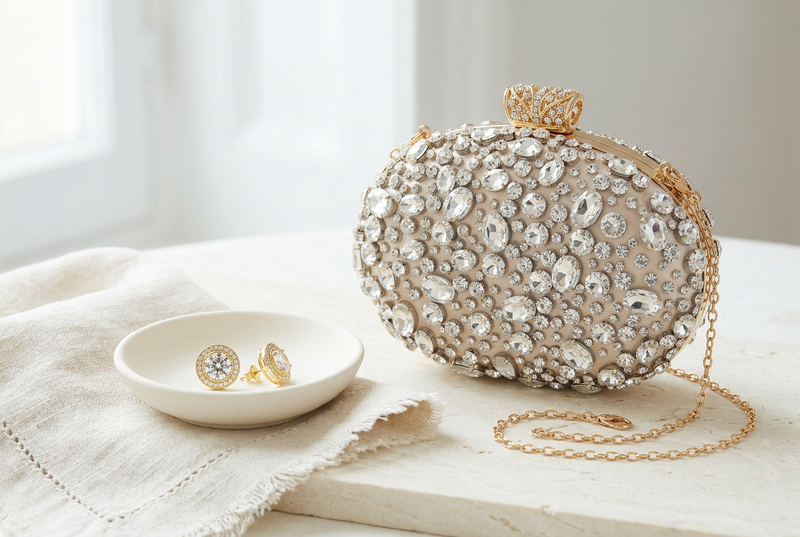
A structured evening bag with a graphic embellished surface.
From USD 165.50
Shop the geometric rhinestone clutch
A botanical shape to frame a simple neckline.
From USD 19.50
Shop the gold-tone ginkgo-leaf earrings
An alternative finishing note in a deeper seasonal colour.
From USD 36.00
Shop the burgundy heart earringsA dress earns additional wardrobe value when it can be worn in more than one credible way.
The transformation need not be dramatic. A long-sleeved fitted dress might work with a cardigan and flat boots during the day, then move into an evening setting with a tailored coat, a smaller bag, and a different pair of shoes. The garment remains the same. The supporting pieces change its emphasis.
The key is to avoid treating day-to-night styling as a requirement that every dress must satisfy. A highly embellished mini may be intended for occasions, while a ribbed knit midi may be more adaptable. Both can be useful purchases when their intended roles are understood.
For a dress that you hope to wear frequently, begin with combinations built from items you already own. Try it beneath your regular coat. Pair it with your usual boots. Add the bag you actually carry. If the outfit works only after purchasing several new pieces, include those costs and decisions in your assessment.
Comfort remains part of the calculation. A day-to-night outfit should not require you to spend hours adjusting a neckline, managing a difficult hem, or enduring shoes that are unsuitable for the distance involved. Practicality is not separate from personal style; it helps determine whether the look will be worn again.
A small wardrobe record can make this process easier. Photograph a combination privately or note the dress, shoes, foundation layer, and outerwear that work together. The result is a useful reference when the next invitation arrives or the temperature changes unexpectedly.
Ask two questions before committing to a versatile dress: can it be styled with pieces you already own, and can you imagine wearing it in the next few weeks?
If the answer to both is yes, the garment has an immediate place in your wardrobe. If it requires an entirely new set of supporting pieces, decide whether that investment is worthwhile for the role it will play.
The daytime foundation returns with different supporting pieces.
From USD 74.00
Shop the taupe hooded dress
A textured layering option for the quieter combination.
From USD 128.96
Shop the neutral V-neck cardigan
A separate evening alternative when the occasion calls for more detail.
From USD 98.96
Shop the Angel Wings sequin mini dressThe final stage of a seasonal wardrobe edit is not about finding one perfect outfit. It is about identifying the pieces that answer the questions raised by the rest of the wardrobe.
A dress may be visually compelling but unsuitable for the weather, the event, or the layers available. A coat may be beautiful on its own but too restrictive over the dresses you intend to wear. A pair of boots may complete the photograph while making the actual journey uncomfortable. Each detail deserves consideration before the purchase is made.
Begin with the garment's purpose. Then examine fit, fabric, construction, and care. Confirm measurements against the individual product information. Check the intended foundation layer, try the outfit with outerwear, and consider whether the shoe works for the ground and distance ahead.
For online shopping, the product page should answer as many of these questions as possible. Clear images, accurate measurements, material information, care instructions, and transparent pricing help shoppers decide whether a garment suits their needs. If a detail is missing, avoid assuming that all products in the same category share the same construction.
The same principle applies to value. A dress worn frequently may justify a larger share of a wardrobe budget than an elaborate piece reserved for a particular celebration. Yet frequency is not the only measure. A special-occasion garment can be a worthwhile choice when it serves a clear purpose and the buyer understands its care requirements.
The most satisfying wardrobe is not necessarily the largest. It is the one in which the individual pieces make sense together.
Before adding a product to your basket, consider these final checks:
There are no universal answers to these questions. They are simply a way to make the purchase more informed.
The outerwear piece that frames the final combination.
From USD 220.96
Shop the black belted overcoat
A familiar foundation, reconsidered with a longer coat.
From USD 138.50
Shop the black stand-collar mini dress
An occasion finish without changing the entire outfit.
From USD 165.50
Shop the geometric rhinestone clutchA seasonal shopping guide should leave room for personal preference while making practical decisions easier. The following checklist can be used across the KIMLUD bodycon collection.
Start by identifying where and how the dress will be worn. A long dinner, a standing reception, a daytime event, and an evening celebration each create different requirements. Consider the time spent sitting, walking, standing, and travelling between locations.
Walk, sit, stand, reach, and turn. Notice whether the garment returns to its intended position after movement. Check the neckline, hem, slit, seams, and lining. Continual adjustment is a reason to reassess the garment, not a requirement of fitted dressing.
Look beyond broad terms such as stretch, jersey, or knit. Consider fabric weight, lining, texture, embellishment, and care instructions. Check opacity under suitable lighting and evaluate the complete outfit with the underwear or foundation layer you intend to wear.
Use the individual product's size chart. Check whether the listed measurements refer to the body or the garment, and compare the stated length with a familiar piece when possible. If the information is unclear, seek clarification before relying on an alteration.
Wear the support and underwear that work for you. Shapewear is optional, and more compression does not automatically produce a better fit. If the dress requires a foundation that you find uncomfortable, consider a different cut or neckline.
Add the intended coat, jacket, knitwear, bag, and footwear. Check whether the layers sit comfortably together and whether the hem and shoes behave as expected when walking. Consider the actual temperature and conditions rather than relying on a styling image alone.
Identify at least one realistic outfit using pieces you already own. A second combination is useful when versatility is important, but not every occasion garment needs to serve multiple roles. Make the choice according to your wardrobe and plans.
The KIMLUD cold-season buying guide
A bodycon dress is designed to follow the body's contours, but the intended degree of closeness varies by garment. It should allow comfortable movement for the activities planned. Check the neckline, seams, lining, hem, and slit while walking, sitting, reaching, and standing. A fitted dress should not require constant rearrangement or painful pressure.
Yes, provided the dress and its styling suit the conditions. Long-sleeved styles, substantial knits, and dresses worn with appropriate outerwear can be useful options. The appropriate combination depends on the actual garment, temperature, time spent outdoors, and intended activity. Do not assume that every fitted dress provides warmth on its own.
Long coats, tailored overcoats, cropped jackets, and leather layers can all work. The most suitable option depends on the dress's length, the desired proportions, the temperature, and the coat's construction. Try the pieces together and check movement, sleeve room, and how the fabrics interact.
Ankle boots, knee-high boots, and heeled boots each create a different visual effect. Consider the hem length, boot shaft, heel height, walking distance, and ground conditions. If you plan to wear tights, assess the entire combination rather than choosing footwear from the product image alone.
They can be a strong option for celebrations and evening events. Check the neckline, lining, embellishment, slit, and care instructions. Consider whether your coat or jacket catches against the surface, and choose accessories that complement rather than overwhelm the dress.
Not automatically. Start with the product-specific size guidance and compare your measurements with the stated chart. Garment construction, stretch, and intended fit all affect the result. If your measurements fall between sizes, consult the product information or seek sizing advice instead of assuming that one rule applies to every dress.
Yes. Shapewear is a personal choice, not a requirement. Choose underwear and support that feel comfortable and work with the garment. If you decide to wear an additional foundation, repeat the movement and comfort checks with it in place.
Try changing one element at a time. A relaxed cardigan, a simple jacket, flat boots, or a quieter bag may alter the mood without replacing the entire outfit. Highly embellished dresses will retain some of their occasion character, and that can be part of their appeal.
Review the size chart, garment length, fabric composition, lining details, care instructions, and available product photographs. Pay attention to neckline construction, sleeve length, slit placement, and any embellishment. If a critical detail is missing, seek clarification rather than assuming that another product has identical specifications.
Build combinations around pieces you already own. Try different coats, knitwear, shoes, and accessories while keeping comfort and the event in mind. Photograph combinations that work or keep a short outfit note. A versatile dress can be valuable, but a specialist occasion dress can also earn its place when its role is clear.
Follow the care instructions supplied for that particular garment. Avoid assuming that all sequins, beads, linings, and stretch fabrics can be treated alike. Store the dress in a way that protects delicate surfaces, and inspect it before the next wear.
A dress can make an impression before the first step is taken. But its real value becomes clearer after the coat is fastened, the stairs have been climbed, the evening has begun, and the wearer has stopped thinking about the clothes.
That is the difference between a striking image and a considered purchase.
For Fall/Winter, the bodycon dress offers a foundation for experimentation with proportion, texture, colour, and contrast. Tailoring can sharpen its line. Knitwear can soften it. Boots can ground it, while sequins and accessories can take it into the evening. A long coat can transform the entire composition without changing the dress beneath.
The buying decision should remain grounded in the details: the fabric against the skin, the construction through the neckline, the hem in motion, the measurements on the product page, and the layers that make the outfit suitable for the day ahead.
There is no single silhouette that must work for everyone, and no reason to treat a garment's limitations as a problem with the person wearing it. The useful question is whether the piece fits the intended role and whether the finished outfit feels comfortable, considered, and genuinely appealing.
Explore the Bodycon Dresses by KIMLUD collection as the starting point for the seasonal edit. Compare individual product details, consider the layers already in your wardrobe, and select the pieces that make sense for your own plans.
The cold season invites a different way of dressing: more texture, more contrast, more attention to the relationship between individual pieces. It also invites a more deliberate way of buying.
Choose the dress for its construction, the coat for its purpose, and the accessories for the way they complete the look. Keep the combinations that work. Let special pieces remain special. And allow a favourite dress to return in a new composition rather than insisting that every occasion requires something entirely new.
The KIMLUD Edit. Fall/Winter, considered.
Explore Bodycon Dresses by KIMLUD
Bodycon Dresses by KIMLUD: the collection starting point for comparing fitted silhouettes and individual product details.
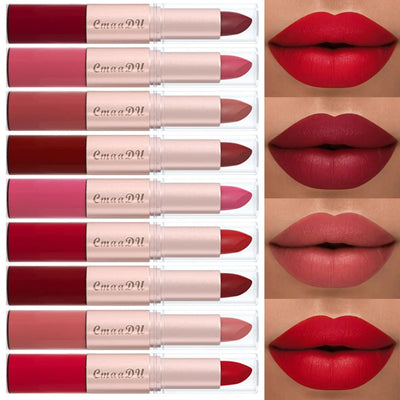 From the collection1/3Pcs Double Head Matte Lipstick Sexy Red Lip Gloss Set 2 in 1 Matte Lip Stick Non-stick Cup Lasting Waterproof Makeup BeautyFrom $26.00 USDView product
Continue reading

Discover more
Shop KIMLUD
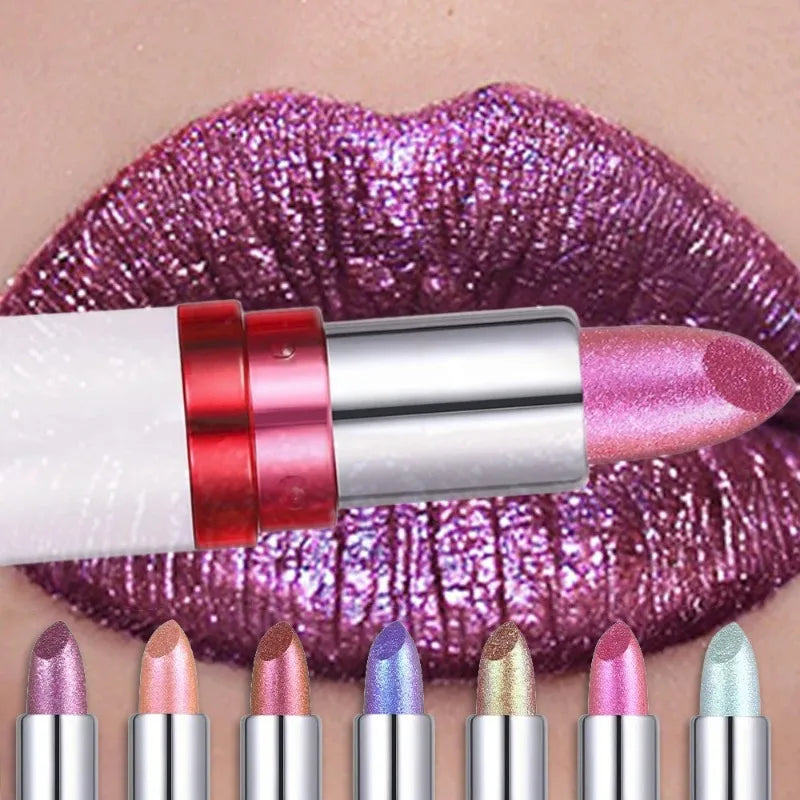 Metallic Lipstick Color-Changing Pearl Shine — Blue Purple | KIMLUDFrom $15.00 USD
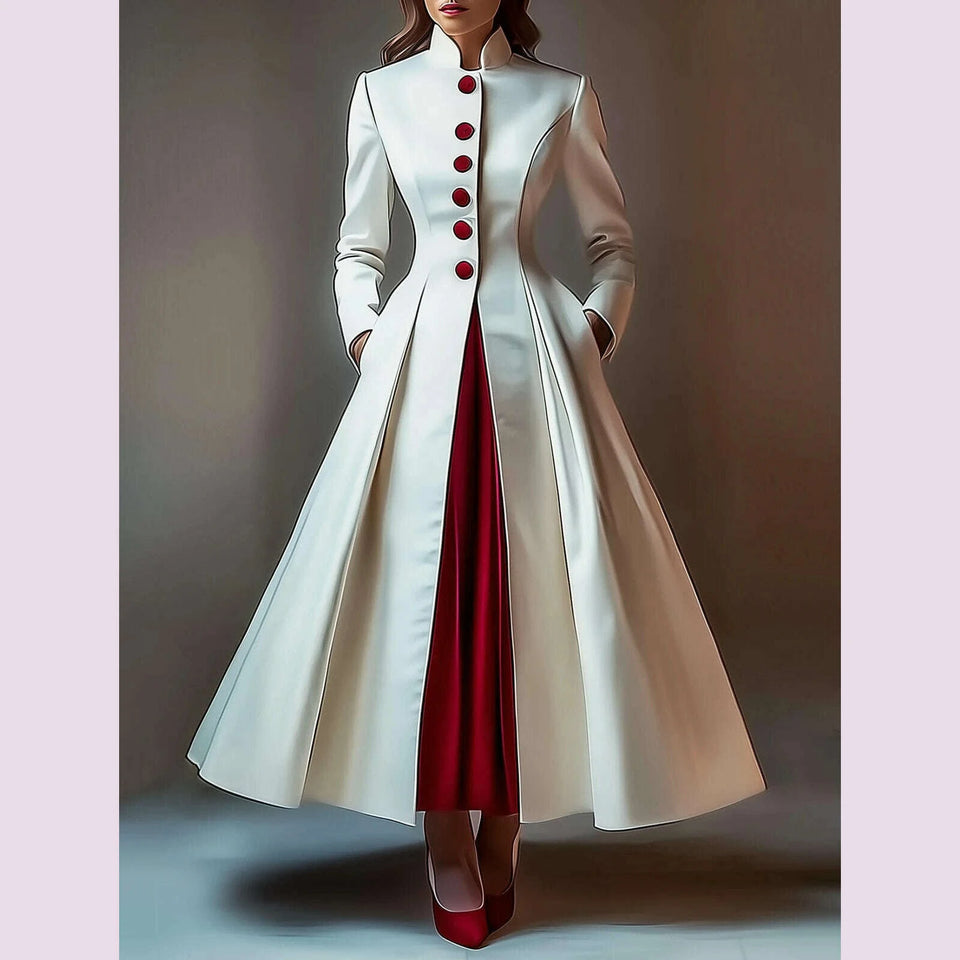 Satin A Line Maxi Dress With Pockets Stand Collar — Black | KIMLUDFrom $137.96 USD
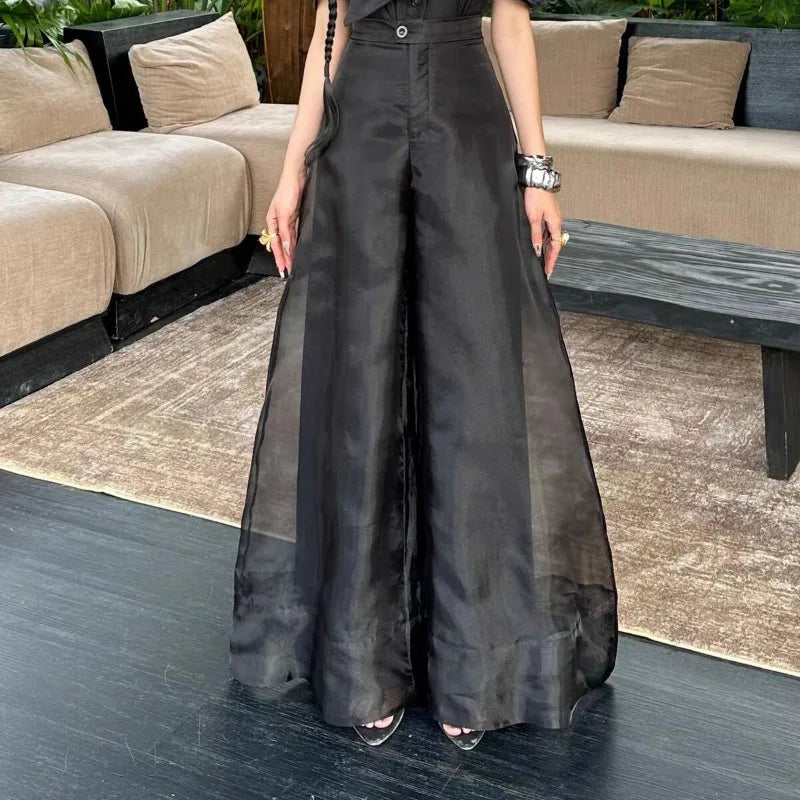 Wide Leg Pants – High Waist – Broadcloth – Black | KIMLUDFrom $118.00 USD
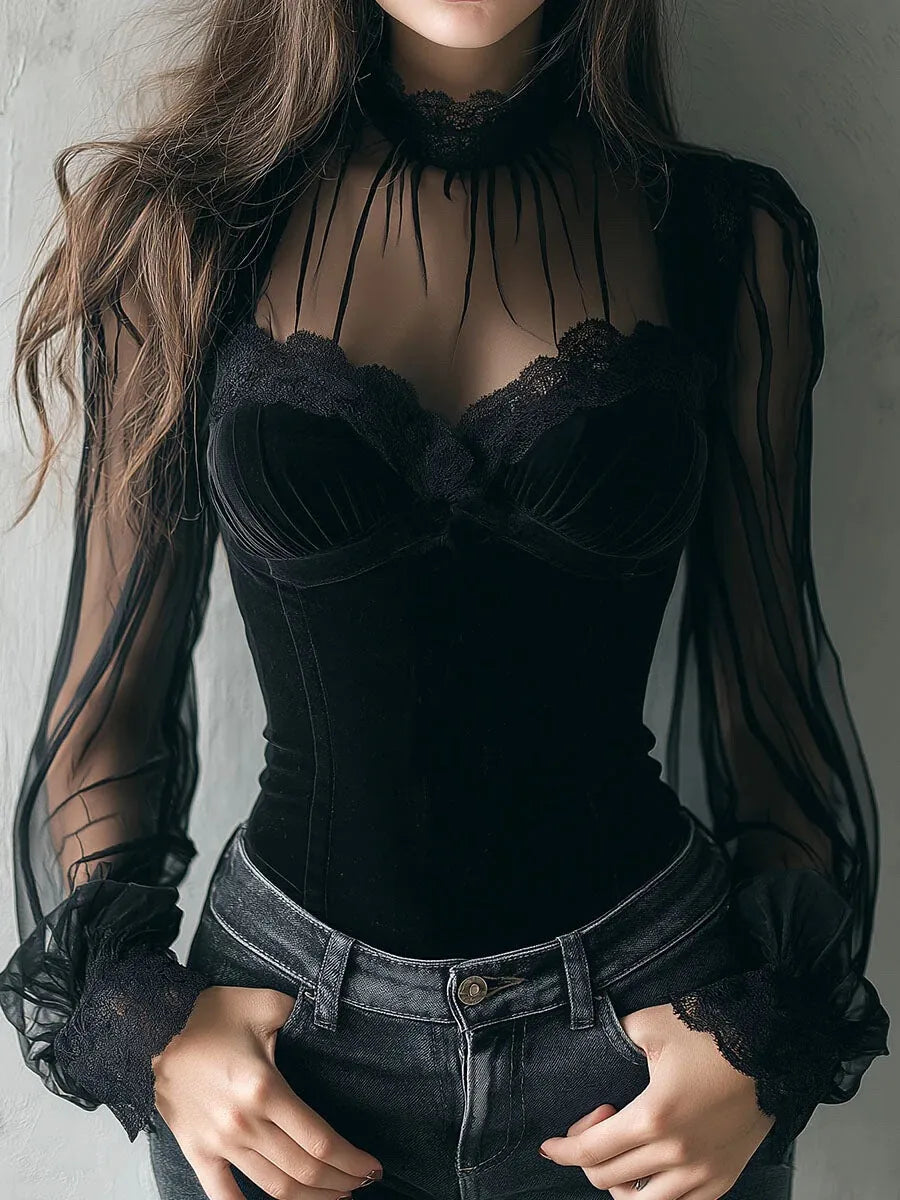 Blouse – Lace Patchwork – Velvet – Black | KIMLUDFrom $82.00 USD
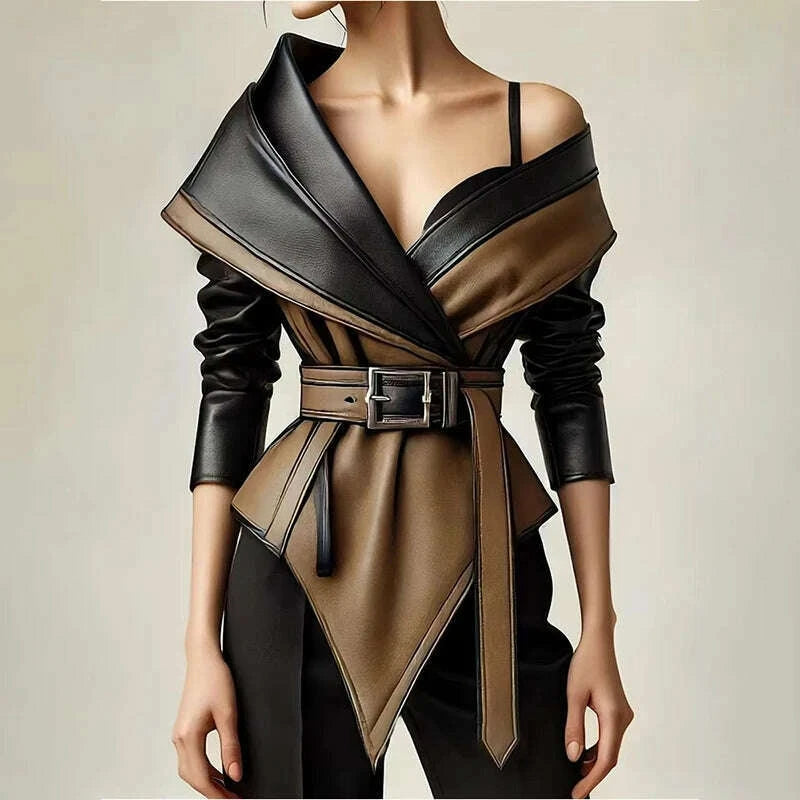 PU Faux Leather One Shoulder Patchwork Jacket — Brown-Black Patchwork | KIMLUD$155.00 USD
 Polyester Gothic Y2K Culottes Single Layer Draped — Black | KIMLUD$114.00 USD
 Oversized Tortoiseshell Sunglasses Double Bridge — Tortoiseshell Brown | KIMLUD$48.00 USD
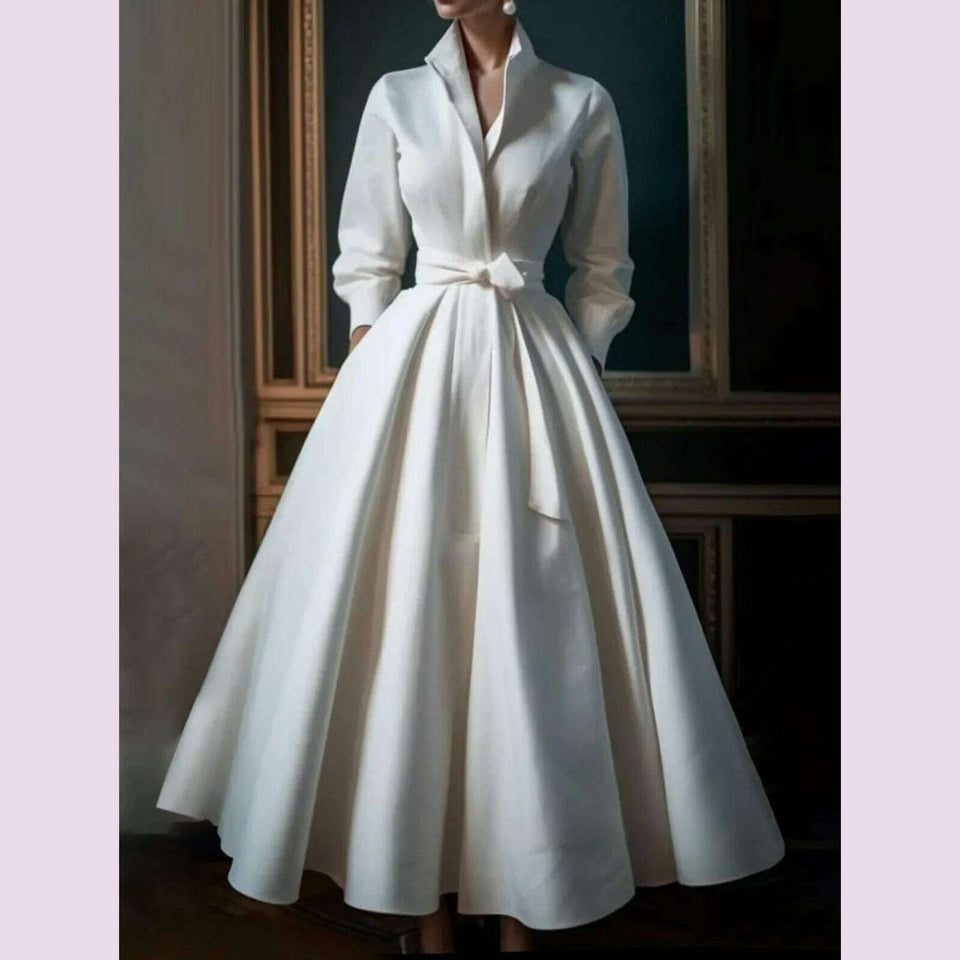 Crisp Cotton Shirt Dress Stand Collar Pleated A-Line — White | KIMLUDFrom $145.00 USD

Discover everything you need to know about choosing the perfect winter coat in 2026/2027. From luxurious wool and...
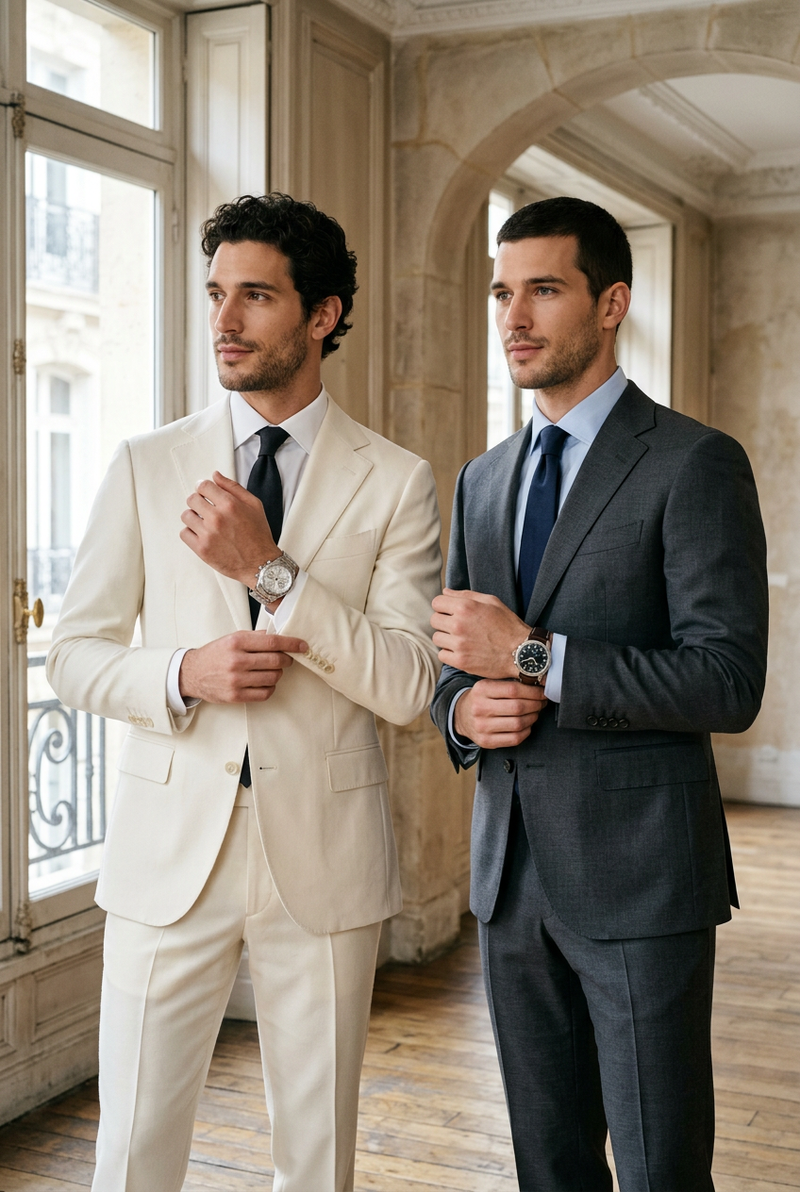
Compare seven KIMLUD watch listings, from leather-strap quartz designs to mechanical, mesh-bracelet and rectangular styles. Learn how to...
Statement drops or compact studs? Choose the right earrings for your neckline, then add an evening clutch only...
