
Article: KIMLUD Style Guide 2026/2027: Fall Layers, Holiday Outfits and Warm-Weather Style
KIMLUD Style Guide 2026/2027: Fall Layers, Holiday Outfits and Warm-Weather Style
THE KIMLUD EDIT · FASHION · HOW-TO

Autumn changes the way an outfit comes together. A dress may need a jacket for the journey, boots may replace sandals, and the layer you take off indoors becomes as important as the look underneath. Yet the calendar does not create the same conditions everywhere. A sunny afternoon, a cool evening and a cold-weather trip can all appear on the same seasonal schedule. The useful question is not whether you have dressed for a season in the abstract, but whether you have dressed for the day ahead.
The KIMLUD Style Guide 2026/2027 begins with autumn and continues through holiday gatherings, winter travel and the outfits you will keep wearing into the new year. It also keeps summer and warm-weather combinations in view. If your destination calls for a light dress or open shoes, there is no reason to force a heavy-coat formula. Use these ideas to build an outfit around the forecast, venue and time you will spend outdoors, wherever you are in the United States or beyond.
Good style is personal rather than corrective. Perhaps you want a dress that feels comfortable through a long dinner, layers that move easily between work and an evening out, or fewer decisions when packing. Those are practical goals. There is no universally flattering dress and no compulsory wardrobe size. Your preferences, measurements and circumstances matter more than a label, a city stereotype or a seasonal shopping checklist.
How do you plan a fall or holiday outfit? Start with the occasion and expected conditions, choose a silhouette you enjoy, compare your measurements with the selected product's instructions, and plan the complete look before ordering. Include the outer layer and shoes when it is cool, or choose a lighter version when it is warm. Check movement and care as well as appearance. A useful purchase belongs in your actual life.
1. Begin with Your Real Routine
Look at a normal week before planning an ideal wardrobe. How often do you dress for an office, walk outdoors, sit for long periods, attend dinners or change between activities? In fall, add a second question: which parts of the day involve changing temperatures? A wardrobe dominated by special-occasion pieces can feel surprisingly limited if most days require easy movement and practical layers. Write down the situations you actually encounter, then identify the one that currently feels hardest to dress for.
Next, notice which existing outfits already work. Instead of recording only the item names, describe why you choose them: a comfortable waistband, sleeves that fit under a jacket, a neckline you enjoy, or a length that works with your usual shoes. These details become a personal buying brief. You can search for similar useful features without buying an identical outfit or abandoning the style you already like. A dress you loved in summer might still have a role if a compatible layer makes sense for the conditions.
Separate a genuine wardrobe gap from an appealing photograph. A new dress may serve an upcoming event, replace something worn out or introduce a shape you want to explore. Each is a valid reason. The important step is naming the purpose and the complete outfit it needs. Start with All Women's Dresses when you want a broad comparison, then narrow your attention to the silhouette and length that fit that purpose.
2. Understand Dress Silhouettes
A silhouette describes the overall outline of a garment, not who is allowed to wear it. An A-line shape widens toward the hem; a close-fitting design follows the body more closely; a straight dress creates a less defined waistline. A wrap-style design introduces a crossing line, but its construction may be adjustable, fixed or simply draped. Read the listing rather than treating a descriptive name as proof of how the garment fastens. In a layered outfit, consider both the dress's outline and the shape of the jacket above it.
Length and silhouette answer different questions. Mini, midi and maxi describe broad length categories, while fitted, flared and draped describe shape. A midi dress may be close-fitting or fluid. Where its hem falls depends on both the garment's actual length and your proportions. If a particular hem position matters, compare measurements with a dress you own instead of relying on the category name alone. Repeat that comparison with the shoes you intend to wear, especially when changing from sandals to boots.
Choose the outline according to how you want to feel and move. A fuller skirt may suit a preference for room around the legs, while a more defined waist may be a styling choice you enjoy. Neither is a correction your body needs. Explore Wrap Dresses, Mini Dresses and Maxi Dresses as starting points, then assess individual construction, coverage and movement rather than assuming every item within a category behaves alike.
3. Measure and Compare Fit
Record the body measurements requested by the selected product, keeping the units beside each number. Use a flexible tape without pulling it tightly into the skin, and repeat any measurement that seems inconsistent. If a product specifies a different measuring method, follow that diagram. A familiar letter size is useful context, but it cannot replace the measurements for the particular garment and variant you intend to buy. Think about the underlayers you will actually wear rather than fitting the outfit to an imagined photograph.
Check whether the chart describes the body or the finished garment. A body circumference is not interchangeable with a garment measured flat across a table. A finished garment also needs the room appropriate to its cut and your intended movement. If the listing does not explain the method, ask before ordering. Do not automatically double, convert or add a standard allowance to a number whose meaning is unclear. The room needed under a structured jacket may also differ from the fit you prefer for a dress worn on its own.
Use a similar garment you already wear comfortably as a second reference. Compare shoulder placement, sleeve length, waist position and overall length using matching endpoints. For a fitted dress, consider sitting, reaching and walking as well as standing. For a loose dress, decide whether the looseness is intentional or whether key points such as the shoulders sit awkwardly. Being between sizes is a reason to investigate the design, not an automatic instruction to size up.
4. Choose Proportions Without Body Rules
Body-shape terms can describe a broad visual relationship, but they are not a complete fitting system. People placed in the same category can have different heights, torso lengths, shoulder positions and preferences. Petite describes stature rather than a single body shape. Instead of asking which dress a category permits, identify the line you want to create and the physical fit points that make a garment comfortable. Your proportions also need to work with the layers you choose, not just the dress underneath.
If you enjoy waist definition, compare a seam, belt or draped detail at the waist. If you prefer a straighter outline, try a less interrupted shape. If you want a flowing look, examine how the skirt hangs and where its volume begins. A visually continuous outfit may appeal to you, but looking taller or smaller does not have to be the goal. Clothing can emphasize, simplify or celebrate proportions without implying that one outline is superior.
For shorter or longer frames, check vertical details beyond the hem. A waist seam, bust shaping or pocket placed differently can change how the whole piece sits. Altering a hem does not necessarily solve those issues. Review the construction before assuming tailoring will be simple or inexpensive. If you enjoy body-shape guides, treat them as idea generators, then return to your own measurements and preferences for the final decision.
5. Build a Useful Color Palette
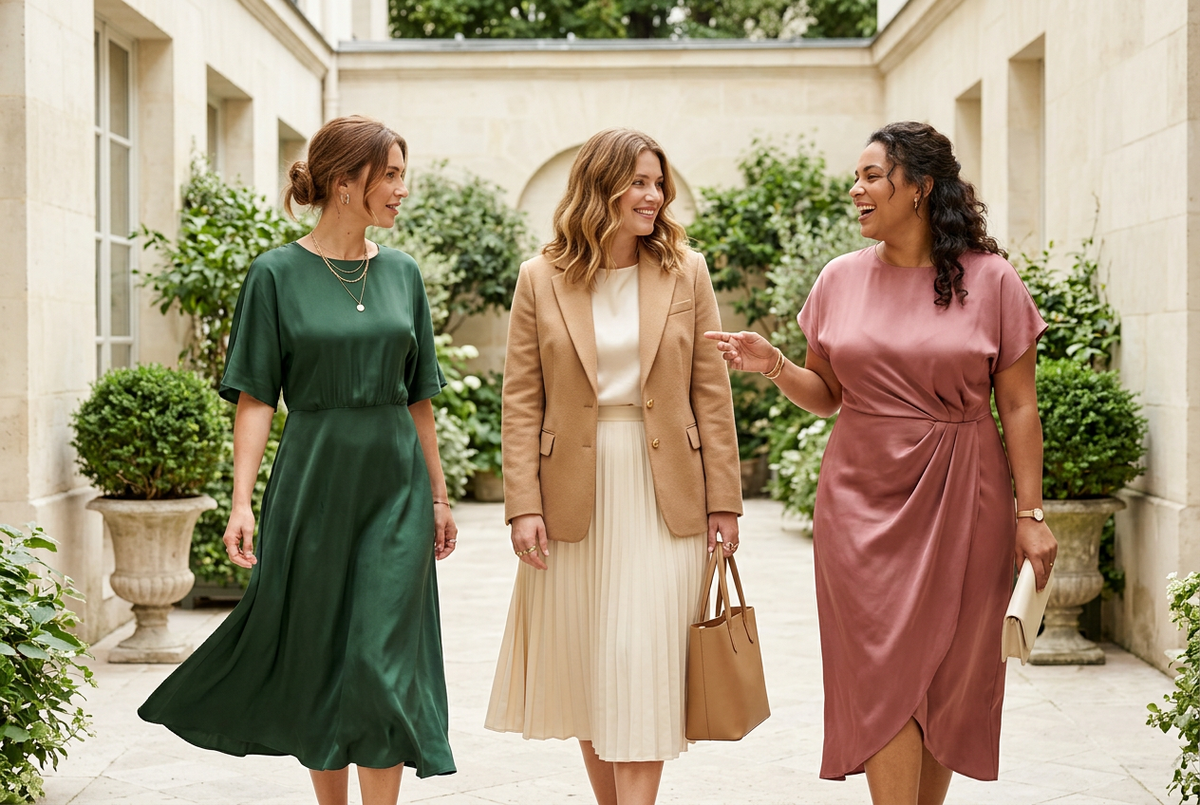
Begin with colors you already reach for and the shoes, bags and layers you want to keep wearing. A useful palette does not have to be entirely neutral. It needs enough connection that your pieces can form outfits without every purchase demanding another purchase. For a fall starting point, try cream with camel and forest green, or pair a dark dress with a rose accent. These are styling suggestions, not a forecast or a compulsory list of seasonal colors.
Consider contrast as well as the individual shade. A dark dress with a light jacket creates a different visual rhythm from a similar-toned dress and coat. A printed dress introduces several colors, but the scale and placement of the pattern also affect its appearance. When browsing Floral Dresses, compare the actual print and background rather than assuming every floral feels equally soft, formal or seasonal. You can keep a summer print in rotation if the whole outfit and conditions still suit it.
A screen cannot guarantee an exact color match. Use the named option and its associated photographs together, and allow for differences in lighting and display settings. If matching another garment precisely is essential, ask for clarification and consider whether a complementary shade would be less risky. The Black Dresses collection offers another starting point, but texture, finish and silhouette still distinguish one black dress from another.
6. Read Fabric, Construction and Care Details
Separate the look of a fabric from its stated composition. A smooth, glossy surface does not by itself establish silk, and a soft-looking knit does not establish cashmere. Read the material information for the selected item. If stretch, lining or opacity is important, look for explicit details rather than assuming them from a styled image. The same caution applies to pockets, closures and accessories shown beside a garment. A long sleeve or substantial-looking surface does not establish how warm the item will feel.
Construction matters to how a piece works in an outfit. A pullover design may need enough room to pass over the shoulders; a fixed waistband behaves differently from an adjustable tie. A slit can affect movement and coverage, while sleeve volume can affect layering. For the featured pink dress, the listed pullover closure is a practical detail worth checking before interpreting the wrapped waist as an adjustable fastening. For a holiday dinner, check how the dress feels seated and how easily it works beneath your outer layer.
Match care requirements to the routine you can maintain. Consult the supplied care instructions before washing, drying, steaming or storing a garment. Do not assume all dresses with the same appearance can receive the same treatment. If instructions are missing, ask before choosing a method. Buying fewer pieces and caring for what you own can be useful wardrobe habits, but appearance or price alone does not prove durability or environmental performance.
7. Dress for the Occasion
For a wedding or celebration, start with the invitation, venue, cultural context and any guidance from the host. A garden setting raises different practical questions from a formal indoor evening: walking surfaces, weather, coverage and footwear all matter. Do not assume one hem length or color works for every wedding. When instructions are unclear, asking the host is more useful than applying a blanket rule copied from another event.
For a fall workday or office holiday gathering, use your actual workplace expectations as the starting point. Consider how you sit, commute and move between temperatures. A layer that fits neatly over the dress may matter more than a dramatic accessory. For dinner, think about seated comfort and whether you will walk between venues. You can adjust a familiar outfit with a different jacket or shoe without treating the whole wardrobe as separate daytime and evening collections.
For Thanksgiving, a December gathering or New Year's Eve, establish what the host means by dressed up before choosing an outfit. A relaxed meal at home and a formal evening call for different decisions. Choose a comfortable waistband for a long dinner, a practical layer for time outdoors and shoes you can manage throughout the evening. A single expressive detail, such as a draped neckline or favorite jewelry, can make an outfit feel celebratory without making everything unfamiliar.
For a vacation, plan around the itinerary rather than the destination name alone. City walking, meals, beach time and a long journey can need different combinations. Keep summer dresses and lighter ensembles available when the forecast supports them, including warm-weather holiday trips. Check whether each garment works with the shoes you will pack and whether its care needs suit the journey. A holiday outfit should support the experience, not require constant attention to remain wearable.
| Situation | Starting point | Final check |
|---|---|---|
| Cool-weather workday | Dress with a compatible jacket or coat | Commute, sleeve room and indoor comfort |
| Holiday dinner | Comfortable dress or tailored separates | Host guidance and seated comfort |
| Warm afternoon, cooler evening | Light outfit with a removable layer | Forecast and time spent outside |
| Warm-weather vacation | Summer dress or airy separates | Walking, venue expectations and packing needs |
8. Try Three Adaptable Outfit Formulas
A fluid dress, structured layer and everyday shoes
Start with a midi dress you can sit and walk in comfortably. Add a jacket whose sleeves and shoulders accommodate the dress, then choose shoes suited to your day. Compare the jacket hem with the dress's waistline and skirt volume. If the combination feels visually crowded, simplify one element rather than assuming the dress is wrong. In cool conditions, test boots and an outer layer; in warmer conditions, a lighter jacket and suitable open shoes may be enough.
A statement dress with restrained supporting details
Let a distinctive neckline, print or draped shape carry the look. Use shoes, a bag and jewelry that support rather than compete with it. Restrained does not have to mean colorless: one repeated color can connect the pieces. Check the full combination while seated and moving, not only in a front-facing photograph. If the dress has volume at the sleeve, make sure the outer layer works before the day you need to wear it.
One familiar dress, two different settings
Plan one casual combination and one more dressed-up version using items you own. A familiar dress might work with a relaxed layer for daytime and a more structured jacket for dinner, if the cut and occasion allow. Change the shoe and accessories only where that makes practical sense. The purpose is not to prove that every garment works everywhere, but to identify genuine repeat use before adding pieces that only suit an imagined version of your life.
9. New York-Inspired Fall and Holiday Layers

For this New York-inspired look, the coat is part of the outfit rather than an afterthought. A camel outer layer frames a forest-green dress, while tall brown boots create a grounded finish. The appeal comes from the clear relationship between the pieces: one flowing line underneath, a more structured outline above and accessories that do not compete for attention. It is a styling direction you can adapt, not a claim about how everyone in New York dresses.
Start with your journey. If you will walk between appointments or wait outside, choose outerwear and footwear for those conditions before adding evening details. Check the day's forecast and the amount of time you expect to spend outdoors. An image of a coat does not establish insulation or suitability for severe weather. Use the actual product specifications and your needs rather than interpreting a polished photograph as weather-performance guidance.
At home, try the dress, underlayers and coat together. Reach forward, sit and fasten the outer layer. Sleeves should not become uncomfortably compressed, and the dress should not need constant rearranging beneath it. Check whether the skirt catches against the coat when you move. These small tests help distinguish an attractive combination on a hanger from an outfit that will feel composed through a real day.
For a holiday dinner, plan the moment when the coat comes off. The dress or separates underneath should feel complete without depending on the outer layer for all their character. A familiar necklace, a considered neckline or a well-fitting waist can be enough. Keep a compact bag only if it holds the essentials you genuinely need. To begin a shortlist, compare Midi Dresses and Black Dresses, then assess each garment on its own merits.
10. Los Angeles-Inspired Light Layers and Summer Options

The Los Angeles-inspired outfit takes a lighter approach: ivory wide-leg trousers, a rose top and a camel blazer, with a small clutch and understated shoes. It feels dressed without relying on a heavy outer layer. The soft palette also shows that a holiday outfit does not have to be dark or covered in sparkle. This is one relaxed, polished interpretation, not a uniform for a city with many different personal styles and settings.
In warm conditions, give the lighter outfit room to lead. A dress worn in summer can remain useful for a fall lunch, a warm-weather gathering or a vacation if its fit, coverage and fabric suit the actual day. A floral print does not expire when the calendar changes. Start with the garment you already enjoy, then decide whether a removable layer, different bag or another shoe makes it appropriate for the occasion.
A warm afternoon does not settle the entire outfit decision. Check the forecast for the time you will return, whether the venue is indoors or outdoors and how much walking is involved. Keep a compatible layer available when needed rather than packing a heavy coat automatically. Conditions vary within states and across individual days; a United States destination name is not a substitute for the local forecast.
Keep summer choices in the wardrobe for trips as well as home. Pair an airy dress with shoes suited to your itinerary, or use light separates when you want flexibility between a casual afternoon and dinner. Compare Floral Dresses, Maxi Dresses and Mini Dresses as visual starting points, then check materials, dimensions and venue requirements. The goal is seasonal flexibility, not replacing every piece because the month has changed.
11. Coats: Autumn Layers and Planning for Winter
A coat can bring an autumn outfit together before anyone sees the dress underneath. Think of the silhouette you want at the door: a clean tailored line, a softer belted shape or a more expressive outer layer. Then consider its real job. A short journey from a car to dinner and a long outdoor commute require different decisions. Choose for that journey rather than treating every coat as interchangeable because it appears in a seasonal collection.
Start with room for the layers you actually wear
Compare the listed measurements with a coat that fits over your usual clothing, using the same measuring method. Put the intended knit, shirt or dress underneath when assessing the fit. Fasten the coat, reach forward and sit down. Pulling across the back or compression around the upper arms can make an otherwise attractive coat frustrating to wear. An oversized description is not a substitute for checking the dimensions, and automatically going up a size may move the shoulders or sleeves away from the fit you prefer.
Make the coat and dress work as a pair
Study the two hemlines together. A longer coat can frame a midi dress; a shorter layer can leave the skirt visible and introduce another horizontal line. Neither relationship is a universal rule. Walk in the combination and check whether the fabrics catch, whether the coat opens comfortably over the skirt and whether the belt or fastening competes with the dress's waist detail. With wide-leg trousers, assess the whole outline with your shoes rather than judging the coat from the waist up.
Separate seasonal styling from weather performance
Read the stated outer fabric, lining, closure and care information. Do not infer waterproofing, wind protection or a temperature rating from thickness, a plush surface or the word winter. A tailored coat chosen for an autumn evening may not answer the needs of an extended cold-weather trip. Where weather protection is essential, ask for the relevant specifications before ordering. For warmer days, keep a lighter layer in rotation rather than wearing the heaviest option simply because it is October.
Explore the Coats collection for silhouette ideas and Women's Winter Coats when planning for colder conditions. A useful starting outfit is a familiar dress, compatible coat and practical boots, with one considered accessory. For a holiday occasion, keep the outfit underneath complete so it still feels intentional after the coat is removed.
12. Winter Boots: Fit, Proportion and the Conditions Ahead
It is still autumn, but this is a useful time to review boots before a colder-weather journey or busy holiday calendar. Start by separating the look you want from the conditions you need the boot to handle. A sleek city boot, an ankle boot worn indoors and footwear intended for snow may serve different purposes. A winter category name alone does not establish waterproofing, insulation or grip on ice.
Compare the size chart and the complete fit
Measure as the product instructions request and compare both feet where relevant. Check whether a number describes foot length, an insole or another measurement; these are not automatically interchangeable. Consider the socks you intend to wear without assuming that a thicker sock requires a fixed size increase. For taller boots, review shaft height, calf measurements and the closure where supplied. The foot may feel right while the shaft presses, gaps or catches behind the knee when seated.
Style the boot with the actual hem
Try ankle boots with a dress or trousers you already own, then compare a taller shaft if you want a different line. Notice where the hem meets the boot and whether the garment moves freely. With wide-leg trousers, check clearance above the ground and how the leg falls over the shaft. For a midi dress, inspect the combination from the side and while walking as well as from the front. There is no required gap between the skirt and boot; choose the relationship you enjoy wearing.
Check function before relying on a weather claim
Look for explicit information about the upper, lining, sole, closures and care. A substantial-looking tread does not guarantee slip resistance, and a soft lining does not establish a cold-weather rating. Water-resistant and waterproof should not be treated as equivalent descriptions. If you expect wet ground, snow or icy surfaces, select footwear with verified specifications appropriate to those conditions rather than depending on appearance. Follow the item's care guidance instead of applying a treatment merely because another pair tolerated it.
Browse Women's Boots for styling options and the Winter Boots Collection for further comparison. For an autumn city outfit, begin with a dress, boots and an outer layer that work together. Keep open shoes and lighter footwear available for warm-weather destinations when the forecast and venue make them appropriate; preparing for winter does not mean dressing for it everywhere.
13. Build a Practical Capsule Wardrobe

A capsule wardrobe is a manageable group of pieces that work together for a particular life or period. It does not need to contain a fixed number of garments, and it does not require removing every expressive item. For fall, begin with the outfits you repeat and identify which need a compatible layer. Keep lighter pieces that still serve warm days or planned travel. Build from your circumstances rather than a universal checklist.
Make a simple outfit map. Put each useful dress beside the shoes, layer and bag you would wear with it. A missing connector may be more helpful than another dress that serves the same purpose. If you own several occasion outfits but struggle with workdays, direct the next purchase toward work. If your everyday wardrobe is complete, an expressive celebration piece may be exactly the right addition.
Review the capsule when your circumstances change. Weather, commuting, work patterns and personal preferences can change what deserves space. Keep an occasional piece if it has a real role; do not force it into daily use to justify owning it. A thoughtful wardrobe is not an exercise in achieving the smallest possible count. It is a collection of clothes you can use confidently without unnecessary friction.
14. Finish with Shoes, Layers and Accessories
Choose footwear for the ground you will cover and the time you will spend standing. A shoe that looks elegant in one photograph may not suit a long walk or an outdoor event. Try the complete outfit with the intended shoes because heel height and shape can change where a hem falls. Check whether you can move naturally without stepping on fabric or managing the garment at every turn. Wet or uneven surfaces may change what is practical.
Use accessories to create emphasis where you want it. A necklace can echo a neckline; a belt can introduce a defined point; a bag can add texture or contrast. None is compulsory. If an outfit already contains several strong details, removing one accessory can make the remaining choices feel more deliberate. Check fit and dimensions for rings, belts and other size-dependent pieces rather than buying on appearance alone.
Keep grooming choices personal and separate from the idea that style requires changing your skin or face. A preferred hairstyle or familiar makeup look can be part of getting ready, but a fashion guide does not need to prescribe active skincare ingredients. Your comfort and preferences belong in the final outfit decision. Clothes should work with the way you enjoy presenting yourself, not add another set of obligations.
15. Make a Confident Buying Decision
Before ordering, name the occasion, compare the selected measurements and identify the complete outfit. Review the variant, listed materials, care information and final total. Set a budget that includes the relevant extras rather than only the dress price. If an offer matters to the decision, check its current eligibility at checkout. A collection name or older article does not establish a present-day price, promotion or delivery promise.
For a fixed event, work backward from the date you need to try the outfit on. KIMLUD's standard processing is 2–5 business days, Monday–Friday excluding holidays, separate from delivery transit. Use the information for your particular item and destination, and leave time to assess the fit. For the 2026/2027 holiday period, this guide does not provide a delivery cutoff or guarantee an arrival date.
If a detail would materially change your purchase, ask through the KIMLUD customer-service form. Include the product link, selected option and the exact question. For fit, state the measurement, unit and method you used. A clear question about a waistband, closure or garment length is more useful than guessing from a photograph. Pause when essential information is missing rather than making the outfit depend on an unverified assumption.
16. Explore Related Style Guides
For a closer look at individual silhouettes, continue with How to Style a Bodycon Dress or Dresses for Petite Women. Use styling suggestions as possibilities rather than guarantees, and keep the selected product's measurements central to the decision. The Body Type Guide and Pear-Shape Style Guide offer additional starting points to explore.
For event and wardrobe planning, explore the Wedding Guest Guide, Summer Vacation Outfit Guide and Capsule Wardrobe Guide. Return to the actual invitation, itinerary and garments when making a final choice. A related article can extend the ideas, but it cannot determine what every event or individual requires.
17. Frequently Asked Questions
Can I keep wearing summer dresses in fall?
Yes, when the dress and complete outfit suit the conditions and occasion. Try a compatible removable layer and suitable shoes for cooler periods, or wear the lighter version in warm conditions. Check the fabric, coverage and forecast rather than assuming every summer dress works for every fall day.
Do I need winter clothes everywhere in the United States?
No single outfit applies everywhere. Check the specific destination, local forecast, evening conditions and time spent outdoors. Keep lighter and summer options for warm conditions, and use appropriate layers when your journey or venue requires them.
How should a coat fit over a dress or knit?
Check the selected coat's measurements, then assess it with the clothing you plan to wear underneath. Fasten it, sit and reach forward. Review shoulder and sleeve comfort as well as the outline. Do not assume an oversized description or a larger size will provide the right fit.
Does a winter boot label mean waterproof or suitable for ice?
No. Check explicit product specifications for the conditions you expect. A plush lining, thick-looking sole or seasonal category name does not establish waterproofing, insulation performance or slip resistance.
What makes a holiday outfit feel special without buying a full new look?
Choose one focal point: a draped neckline, a favorite color, a different jacket or jewelry you already love. Keep the rest comfortable and compatible. Check the host's expectations before assuming that a holiday gathering requires formalwear or sparkle.
What dress suits every body type?
No single dress guarantees the same result for everyone. Compare the cut, measurements, movement and coverage with your preferences. A wrap-inspired silhouette may appeal to you, but check whether it has an adjustable fastening or a fixed construction before relying on its fit.
Do petite women need to wear short dresses?
No. Mini, midi and maxi lengths can all be options. Check the actual garment length, waist position and shoulder fit. A named length category does not determine where the hem will fall on you, and personal style does not need to prioritize looking taller.
How many pieces belong in a capsule wardrobe?
There is no required number. Build around your routine, climate, laundry habits and occasions. Prioritize combinations that work together, then add pieces that solve a real gap instead of aiming for a count that does not reflect your life.
What should I wear as a wedding guest?
Use the invitation, host guidance, venue and cultural context first. Consider footwear, weather, coverage and movement. If color or formality is unclear, ask the host rather than assuming a single dress style is suitable for every wedding.
Should I size up when I fall between sizes?
Not automatically. The relevant measurements, construction and desired silhouette determine the next step. Check the chart's method and the garment's fit instructions. Ask for clarification when the listing does not provide enough information to make a like-for-like comparison.
Are the editorial outfits exact products I can order?
Use the linked product listing and collections to find actual items, variants and specifications. The editorial scenes illustrate styling ideas. The opening pink-dress product banner links separately to its own listing, where you can check the selected option's details.
18. Your Next Outfit
Begin with one outfit you want to make easier, not an entire wardrobe you feel obliged to replace. For autumn and the 2026/2027 holiday season, that might mean finding the right coat for a favorite dress, checking the fit of boots before a colder-weather trip or planning a complete dinner look. For a warm day or a lighter-weather destination, it may mean keeping the summer outfit exactly as useful as it was before. The calendar can inspire a change without dictating it.
Explore All Women's Dresses, compare Midi Dresses and Maxi Dresses, or use Wrap Dresses, Floral Dresses and Black Dresses to narrow your shortlist. Complete a cooler-weather look through Coats and Women's Boots. Let your routine, preferences and actual conditions make the final edit.
19. Sources & References
Product reference: the Wrap-Draped Dress Sculpted Waist product listing supplies the opening product photograph and its stated construction details. Consult the chosen variant for current options and sizing.
Dress collection references: All Women's Dresses, Wrap Dresses, Midi Dresses, Mini Dresses, Maxi Dresses, Floral Dresses and Black Dresses are the dress destinations used throughout this guide.
Outerwear and footwear references: Coats, Women's Winter Coats, Women's Boots and Winter Boots Collection provide the shopping starting points for the coat and boot chapters. Individual listings, not collection names or editorial photographs, supply the specifications for selected products.
Further reading: the linked articles in the related-guides section extend specific style topics. For product measurements or missing purchase information, use the KIMLUD customer-service form.


