

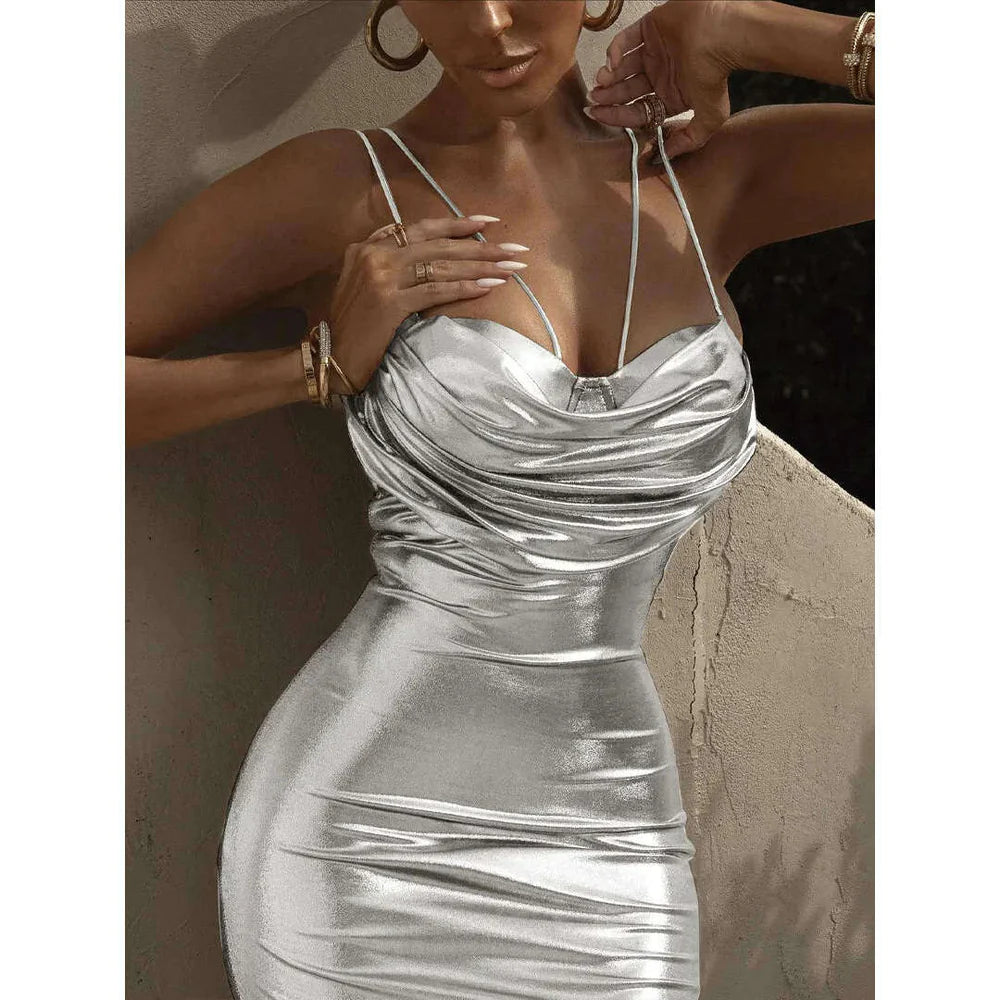

Sustainable Fashion Choices at KIMLUD: Style That Cares for the Planet
Table of Contents
- What Is Sustainable Fashion?
- Why It Matters More Than Ever in 2026
- Eco-Friendly Materials to Look For
- How to Build a Sustainable Wardrobe
- Looking Chic While Dressing Consciously
- The Sustainable Capsule Wardrobe
- How to Care for Your Clothes to Make Them Last
- The KIMLUD Sustainable Edit
- Mindful Shopping: Questions to Ask Before You Buy
- FAQ
1. What Is Sustainable Fashion?
Sustainable fashion is a philosophy and a practice — a commitment to making choices that consider the full lifecycle of a garment, from the sourcing of its raw materials to the conditions under which it was made, to what happens to it when you no longer wear it. It is fashion that thinks beyond the moment of purchase and considers the broader impact of our choices on people and planet.
But sustainable fashion is not about sacrifice. It is not about wearing shapeless, joyless clothing in the name of environmental virtue. The most exciting development in fashion today is the growing proof that style and sustainability are not opposites — that you can dress beautifully, expressively, and luxuriously while making choices that align with your values.
At KIMLUD, this is the standard we hold ourselves to. Every piece in our collection is designed to be worn, loved, and kept — not discarded after a single season.
2. Why It Matters More Than Ever in 2026
The fashion industry is one of the world's largest polluters, responsible for approximately 10% of global carbon emissions and vast quantities of water consumption and textile waste. Fast fashion — the model of producing cheap, trend-driven clothing at enormous volume — has accelerated these problems dramatically over the past two decades.
In 2026, the conversation has shifted. Consumers are more informed, more demanding, and more willing to vote with their wallets for brands that take responsibility seriously. Regulatory pressure is increasing across Europe and North America. And a new generation of shoppers is redefining what luxury means — not as excess, but as quality, longevity, and integrity.
Choosing sustainable fashion is not just an environmental act. It is a statement about the kind of world you want to live in and the kind of industry you want to support. It is, ultimately, an act of self-respect.
3. Eco-Friendly Materials to Look For
Understanding fabrics is the foundation of sustainable shopping. Here are the materials that represent the best choices for both style and environmental impact:
- Organic Cotton: Grown without synthetic pesticides or fertilizers, organic cotton is gentler on the soil, the water supply, and the farmers who grow it. It is also softer and more breathable than conventional cotton.
- Linen: Made from the flax plant, linen requires minimal water and no pesticides to grow. It is naturally biodegradable, incredibly durable, and becomes more beautiful with age.
- Tencel/Lyocell: A wood-pulp derived fabric produced in a closed-loop process that recycles water and solvents. Silky, breathable, and biodegradable.
- Recycled Polyester: Made from post-consumer plastic bottles, recycled polyester reduces landfill waste and requires significantly less energy to produce than virgin polyester.
- Wool and Cashmere: When sourced responsibly, natural animal fibers are biodegradable, durable, and require no synthetic inputs. Look for certifications like RWS (Responsible Wool Standard).
Explore KIMLUD's fabric-forward collection: Shop KIMLUD's Dress Collection.
4. How to Build a Sustainable Wardrobe
Building a sustainable wardrobe is not about throwing everything out and starting from scratch. It is a gradual, intentional process of replacing fast fashion with pieces that will serve you for years. Here is how to approach it:
- Start with a Wardrobe Audit: Before buying anything, understand what you already own. Identify what you actually wear, what fits well, and what gaps genuinely exist in your wardrobe.
- Define Your Style: Sustainable shopping requires clarity about your personal style. When you know exactly what you love and what works for your life, you stop buying things on impulse that you never wear.
- Invest in Versatile Pieces: Choose items that work across multiple occasions and can be styled in different ways. A well-chosen midi dress, for example, can go from office to evening with a simple accessory change.
- Buy Less, Choose Better: The mantra of sustainable fashion. Fewer, higher-quality pieces that you love and wear repeatedly are always preferable to a wardrobe full of items you rarely touch.
- Think Cost-Per-Wear: A $150 dress you wear 50 times costs $3 per wear. A $30 dress you wear twice costs $15 per wear. Quality is almost always the more economical choice in the long run.
Find versatile pieces that work across seasons: Shop Elegant Dresses in Stock at KIMLUD.
5. Looking Chic While Dressing Consciously
One of the most persistent myths about sustainable fashion is that it requires compromising on style. Nothing could be further from the truth. The most stylish women in the world are often those who dress most intentionally — who own fewer pieces but wear each one with complete conviction.
Here are the principles that allow you to be both stylish and sustainable:
- Embrace Timeless Over Trendy: Trends are the engine of fast fashion. Classic silhouettes, quality fabrics, and neutral color palettes never go out of style and never need to be replaced.
- Develop a Signature Style: When you know exactly what you love, you stop buying things that do not serve you. A clear personal aesthetic is the most powerful sustainable fashion tool you have.
- Accessorize Thoughtfully: Accessories can completely transform an outfit. A small collection of exceptional accessories — a silk scarf, a gold necklace, a quality bag — can make the same dress look like ten different outfits.
- Celebrate Imperfection: A slight fade, a small repair, a garment that has clearly been loved — these are marks of a life well-lived, not flaws to be hidden.
Discover chic, versatile styles: Browse KIMLUD's Women's Dresses in Stock.
6. The Sustainable Capsule Wardrobe
The capsule wardrobe — a small collection of versatile, high-quality pieces that work together seamlessly — is the ultimate expression of sustainable fashion philosophy. Here is a framework for building yours:
Foundation Pieces (wear constantly): A perfect black dress, a white blouse, tailored trousers, a quality knit, and a classic coat. These are the pieces you reach for every day.
Statement Pieces (wear often): Two or three pieces that express your personality and elevate your foundation pieces. A printed midi dress, a bold blazer, or a luxurious evening gown.
Occasion Pieces (wear sometimes): One or two pieces for special occasions — a formal gown, a cocktail dress — that you will wear repeatedly over many years.
The goal is a wardrobe where everything works with everything else, where getting dressed is a pleasure rather than a chore, and where nothing is wasted.
Build your capsule with KIMLUD: Explore KIMLUD's Full Collection.
7. How to Care for Your Clothes to Make Them Last
The most sustainable garment is the one you already own — kept in excellent condition and worn for as long as possible. Proper garment care is one of the most impactful sustainable actions you can take:
- Wash Less Frequently: Most garments do not need to be washed after every wear. Air them out between wears and spot-clean when possible.
- Wash Cold: Cold water washing uses significantly less energy and is gentler on fabrics, extending their life considerably.
- Air Dry: Tumble drying is one of the most damaging things you can do to clothing. Air drying preserves fabric integrity and saves energy.
- Store Properly: Fold knits rather than hanging them to prevent stretching. Use quality hangers for structured pieces. Store seasonal items in breathable garment bags.
- Repair Rather Than Replace: A missing button, a small tear, a loose hem — these are all fixable. Learn basic repairs or find a good tailor. A repaired garment is always more sustainable than a new one.
8. The KIMLUD Sustainable Edit
Our most versatile, enduring pieces — designed to be worn season after season:
- Elegant Women's Jumpsuit — Slash Neck Ruched Long Sleeve — A versatile one-piece that transitions effortlessly from day to evening. A true wardrobe investment.
- Rhinestone Beaded Cotton Blouse — Crafted in breathable cotton with artisanal beaded detail. Pairs with everything, lasts for years.
- PU Patchwork Women's Jacket — A statement outer layer that elevates any outfit and stands the test of time.
- Browse All Versatile Midi Dresses in Stock →
- Shop All Everyday Dresses in Stock →
9. Mindful Shopping: Questions to Ask Before You Buy
Before adding any item to your cart, run it through these questions. They will save you money, reduce waste, and ensure that everything you buy genuinely serves you:
- Do I already own something similar? If yes, do you really need another?
- Will I wear this at least 30 times? If you cannot imagine wearing it 30 times, it is probably not worth buying.
- Does it work with at least three things I already own? Versatility is the key to a functional wardrobe.
- Is this the best quality I can afford? Always buy the best quality within your budget.
- Am I buying this because I love it, or because it is on sale? A bargain you never wear is not a bargain.
- How will I care for this? If the care requirements are impractical for your lifestyle, the garment will not get worn.
Shop mindfully at KIMLUD: Explore Our Full Collection.
10. FAQ — Sustainable Fashion at KIMLUD
What makes fashion sustainable?
Sustainable fashion considers the environmental and social impact of clothing throughout its entire lifecycle — from material sourcing and production to use and end-of-life disposal.
How do I start dressing more sustainably?
Start by buying less and choosing better. Audit your wardrobe, identify genuine gaps, and fill them with high-quality, versatile pieces you will wear for years.
Are sustainable clothes more expensive?
The upfront cost can be higher, but the cost-per-wear is almost always lower. A quality piece worn 100 times is far more economical than a cheap piece worn twice.
What fabrics should I look for?
Organic cotton, linen, Tencel, recycled polyester, and responsibly sourced wool are among the most sustainable fabric choices available.
Where can I shop sustainably for women's fashion?
KIMLUD offers a curated collection of quality women's fashion designed to last. Shop now at KIMLUD.
Warm regards,
The KIMLUD Team
🌐 https://www.kimlud.com
🌐 https://shop.app/m/kimlud
📧 EMAIL: kimlud.com@gmail.com


