Material Care Guide: The Complete Care Encyclopedia | KIMLUD
THE COMPLETE CARE ENCYCLOPEDIA
Expert care for fashion, natural materials, luxury accessories and home living
Discover how to clean, maintain, store, and protect the materials used in our clothing, accessories, jewelry, home furnishings, beauty products, and technology.
From delicate silk organza and genuine fur hats to Panama hats, cashmere knitwear, leather sofas, wool rugs, human-hair wigs, and handcrafted natural materials, every product deserves care suited to its composition and construction.
This guide provides practical, material-specific recommendations to help maintain appearance, texture, shape, and functionality over time.
Before cleaning any item: Always follow its care label and manufacturer instructions. Materials can differ according to their fiber content, dyes, coatings, tanning, treatments, adhesives, and construction. When the composition or finish is unknown, avoid experimental cleaning and consult a qualified specialist.
Different fibers and finishes call for different care. Begin with the item’s own care label.
PART I — CLOTHING AND TEXTILES
1. Cotton
Cotton is a versatile natural plant fiber used in shirts, dresses, denim, knitwear, bedding, and accessories.
Cleaning
Check the label and separate colors when necessary.
Machine-wash only when permitted, using a suitable detergent.
Use a gentler cycle for lightweight, printed, embroidered, or structured cotton.
Treat stains according to the dye and finish, not just the fiber.
Drying and ironing
Air-dry where practical.
Use a dryer only when the label allows it; excessive heat can cause shrinkage.
Iron at the recommended temperature, paying attention to prints and decorative finishes.
Storage: Store clean, completely dry cotton in a cool, dry space.
Avoid: Assuming all cotton is washable at high temperatures. Cotton blends, coated fabrics, and garment constructions may require different treatment.
2. Linen and Flax
Linen is made from flax fibers and is known for its breathable feel and characteristic creasing.
Wash according to the label, using a gentle cycle when appropriate.
Avoid excessive agitation and twisting, especially with lightweight linen.
Reshape while damp and air-dry when possible.
Iron while slightly damp if the finish and care label permit.
Hang structured linen clothing or fold soft garments neatly.
Protect colored linen from prolonged direct sunlight.
Avoid: High heat without checking the label, aggressive wringing, and assuming linen blends behave like pure linen.
Texture alone does not identify a fiber. Check composition, finish and care-label instructions before washing.
3. Wool
Wool includes numerous varieties, including merino, lambswool, and traditional sheep's wool.
Follow the garment's specific washing instructions.
Use a wool-compatible detergent when washing is permitted.
Avoid rubbing or agitating wet wool unnecessarily.
Reshape and dry flat if instructed.
Fold heavy sweaters rather than hanging them for extended periods.
Use a suitable brush for surface lint and loose debris.
Avoid: Hot water, uncontrolled heat, and vigorous washing that may cause shrinkage or felting.
4. Merino Wool
Merino is a fine wool frequently used in lightweight knitwear, base layers, scarves, and performance clothing.
Follow the label for machine washing or hand washing.
Use a suitable wool detergent.
Avoid fabric softeners if the manufacturer advises against them.
Reshape gently and dry as instructed.
Store clean and dry, protected from textile pests.
Avoid: Assuming all merino garments can be machine-washed simply because the fiber is fine.
5. Cashmere
Cashmere is a fine animal fiber used in luxury sweaters, scarves, coats, and accessories.
Check whether the item is hand-washable or requires professional cleaning.
Use a cashmere-compatible detergent only when washing is permitted.
Never wring or twist wet cashmere.
Reshape and dry flat when appropriate.
Remove pills gently with a suitable cashmere comb.
Fold for storage and protect from moths and other textile pests.
Avoid: Pulling pills by hand, aggressive brushing, high heat, and hanging heavy cashmere knits.
6. Alpaca, Mohair, Angora, Camel Hair and Yak Wool
These specialty animal fibers vary in softness, fiber structure, and response to cleaning.
Follow the specific garment's care label.
Use professional cleaning when the construction or fiber blend requires it.
Handle brushed or fluffy textures gently.
Reshape and dry flat when permitted.
Store clean, dry items away from pests.
Brush only when the fiber and construction allow it.
Avoid: Assuming every specialty animal fiber can be treated like ordinary wool.
7. Silk
Silk is a delicate natural protein fiber used in blouses, dresses, scarves, linings, lingerie, and luxury accessories.
Check the label before using water or detergent.
Use professional cleaning for silk labeled dry-clean-only.
Blot moisture gently rather than rubbing.
Keep perfume, deodorant, hairspray, and cosmetics away from the fabric.
Use only the recommended ironing temperature and pressing method.
Store away from strong sunlight and excessive humidity.
Avoid: Unverified stain removers, chlorine bleach, high heat, and soaking silk with unknown dyes or finishes.
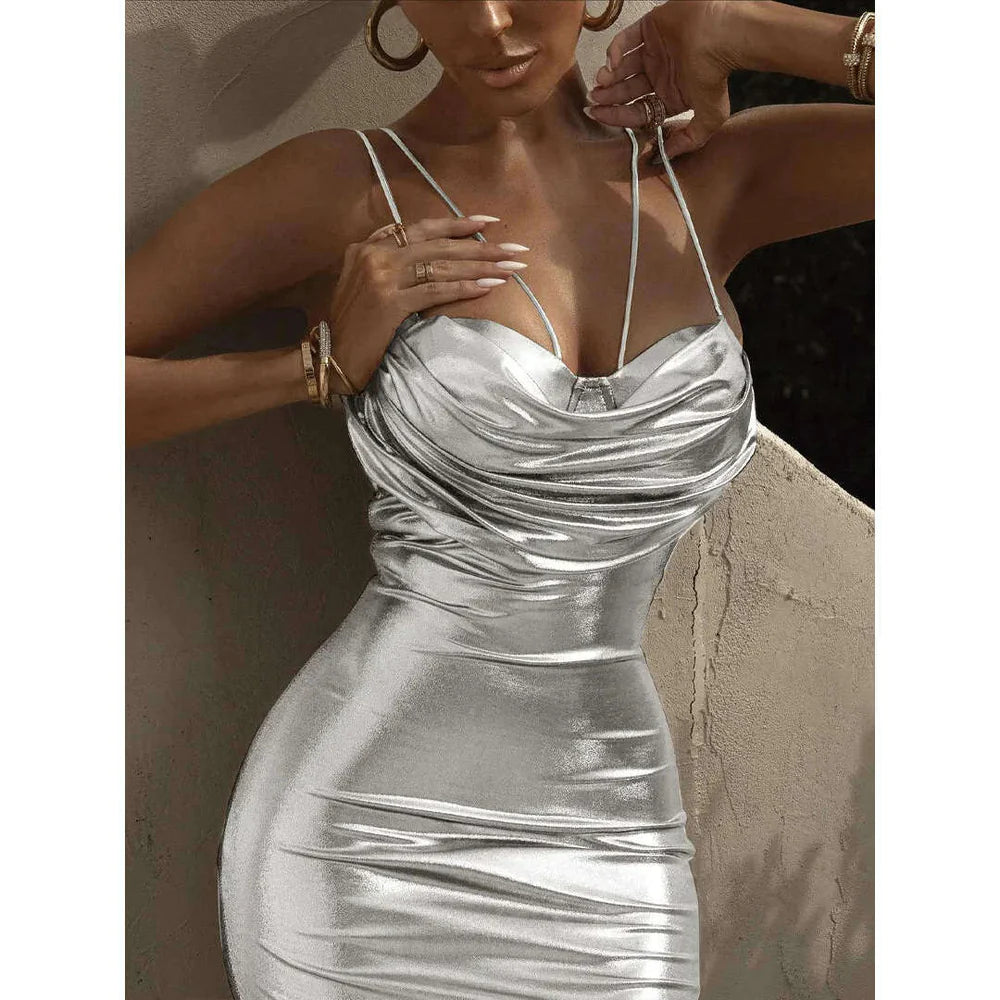
8. Satin, Charmeuse and Duchess Satin
Satin describes a weave rather than a fiber. Satin fabrics can be made from silk, polyester, acetate, or other fibers.
Identify the fiber composition before choosing a cleaning method.
Handle the smooth surface gently to avoid snags, abrasion, and water marks.
Use the label's recommended washing or professional cleaning method.
Iron only at the temperature appropriate for the fiber.
Store away from rough fabrics and sharp accessories.
Avoid: Treating all satin as silk or applying high heat to synthetic satin.
9. Organza
Organza is a lightweight, sheer, crisp fabric commonly made from silk or synthetic fibers. It may appear in eveningwear, bridal gowns, sleeves, overlays, ribbons, and decorative accessories.
Cleaning
Check whether the organza is silk, polyester, nylon, or a blend.
Follow the care label; structured and embellished organza often requires specialist cleaning.
Avoid rubbing, twisting, or squeezing the fabric.
Keep beads, embroidery, pleats, and bonded decorations in mind when choosing a cleaning method.
Drying and pressing
Support the fabric while wet if washing is permitted.
Air-dry according to the garment's instructions.
Use low heat only when suitable for the identified fiber and finish.
Test any permitted pressing method on a concealed area.
Storage
Store bridal and formal organza garments with adequate support.
Avoid crushing pleats or delicate overlays.
Keep away from rough hooks and sharp jewelry.
Avoid: Wringing, high heat, aggressive steaming, and untested stain treatments that may distort the fabric or leave marks.
Handle delicate textiles gently and follow the complete garment’s care instructions.
10. Chiffon and Georgette
These lightweight fabrics can be made from silk or synthetic fibers and may snag or distort easily.
Check fiber composition and washing instructions.
Handle with clean hands and avoid sharp jewelry.
Use specialist cleaning for delicate, pleated, or embellished garments.
Store in a protective garment cover without crushing the fabric.
Press or steam only as permitted for the specific fiber.
Avoid: Pulling snags, scrubbing stains, and hanging heavy embellishments from unsupported fabric.
11. Lace, Guipure and Embroidery
Lace may be constructed from cotton, silk, polyester, nylon, or mixed fibers. Embroidery can include metallic threads, beads, sequins, and glued components.
Follow the garment's care label.
Place washable delicate items in a suitable protective laundry bag if permitted.
Hand-wash only when the construction and instructions allow it.
Support wet fabric to prevent stretching.
Dry flat or hang according to the garment's structure.
Store away from hooks, zippers, and rough surfaces.
Avoid: Aggressive scrubbing, wringing, and soaking pieces with unknown adhesives or metallic finishes.
12. Tulle, Mesh and Netting
Tulle and mesh are common in veils, skirts, gowns, lingerie, and decorative garments.
Identify whether the fabric is nylon, polyester, silk, or another material.
Follow the garment's care instructions.
Remove surface debris gently without pulling the netting.
Keep away from jewelry, rough nails, and sharp fasteners.
Store loosely to protect the shape.
Avoid: Snagging, high heat, and pressing delicate netting without checking the manufacturer's guidance.
13. Velvet, Velour and Crushed Velvet
Velvet and velour can have different fiber compositions and pile constructions.
Check the label before cleaning.
Use a specialist for structured, lined, or embellished velvet garments when necessary.
Remove surface dust gently with a suitable brush in the direction of the pile.
Hang or store according to the garment's construction.
Avoid prolonged pressure on the pile.
Avoid: Unapproved steam, ironing directly on the pile, and brushing aggressively against the texture.
14. Crepe, Jacquard, Brocade and Damask
These fabrics may combine complex weaves, raised patterns, metallic threads, and mixed fibers.
Follow the fiber composition and garment instructions.
Use specialist cleaning for structured or intricately woven pieces when required.
Press using the recommended temperature and a suitable protective cloth if permitted.
Store garments with adequate support to protect their shape.
Avoid: Assuming that a fabric's decorative pattern determines its cleaning method.
15. Denim, Corduroy and Canvas
These heavier textiles are used in jeans, jackets, trousers, bags, shoes, and utility clothing.
Wash according to the care label, turning garments inside out when appropriate.
Separate dark and light colors where dye transfer is possible.
Use a gentler cycle for coated, distressed, embroidered, or embellished denim.
Air-dry when practical.
Brush corduroy gently in the direction of its pile.
Avoid: High heat on stretch denim, unnecessary washing of coated fabrics, and aggressive brushing that distorts textured surfaces.
16. Jersey, Knitwear, Fleece and Ribbed Fabrics
These fabrics can contain cotton, wool, polyester, elastane, or mixed fibers.
Follow the label for washing and drying.
Avoid stretching wet knitwear.
Reshape garments after washing when permitted.
Fold heavy knits to maintain their shape.
Remove pills carefully using a tool suitable for the fabric.
Avoid: Assuming every knit can be tumble-dried or treated with the same detergent.
17. Viscose, Rayon, Modal, Lyocell and Acetate
These manufactured fibers are often derived from cellulose, but their performance and care requirements differ.
Check the exact fiber composition and label.
Some viscose garments are particularly vulnerable to distortion or reduced strength when wet.
Wash only when permitted, using the recommended cycle.
Avoid twisting or stretching damp fabric.
Follow the label for ironing and drying.
Avoid: Treating all regenerated-cellulose fabrics as interchangeable or assuming that plant-derived origin means the finished textile is washable or organic.
18. Polyester, Nylon, Acrylic and Elastane Blends
Synthetic fibers are common in activewear, swimwear, outerwear, stretch garments, and accessories.
Follow the care label.
Use a suitable detergent and avoid unnecessary high-temperature washing.
Air-dry when practical.
Protect coated, waterproof, reflective, or bonded surfaces from incompatible products.
Wash technical garments according to their specific construction.
Avoid: High heat that may damage elastane, coatings, adhesives, or heat-sensitive components.
19. Sequins, Beading, Metallic Threads and Embellishments
Decorative garments may combine delicate fabric, metal, plastic, glass, adhesives, and embroidery.
Inspect the item before cleaning.
Follow the garment's instructions, particularly for bonded embellishments.
Choose professional cleaning when the piece is valuable or highly decorated.
Store with sufficient space to avoid snagging.
Repair loose components before washing if possible.
Avoid: Immersion, tumble-drying, and direct heat unless the complete construction is confirmed compatible.
20. Organic Cotton, Hemp, Flax and Other Plant Fibers
Natural plant fibers may include cotton, hemp, flax, ramie, jute, and other materials.
Follow the finished product's instructions rather than assuming that natural fibers all behave alike.
Wash gently when permitted.
Reshape and air-dry when suitable.
Store clean and completely dry.
Check dyes, coatings, and blended fibers before stain treatment.
Important: Natural fiber does not automatically mean certified organic. Organic claims should be supported by the relevant supplier information or certification.
21. Wool Blends, Tweed, Plaid and Tartan
Plaid and tartan describe patterns, while tweed describes a family of woven fabrics. Their fibers may include wool, cotton, silk, polyester, and blends.
Check the fiber label and construction.
Use professional cleaning when required for structured jackets, tailored coats, and lined garments.
Brush loose debris from suitable wool surfaces gently.
Store structured clothing on supportive hangers.
Fold heavier knitwear rather than allowing it to stretch.
Avoid: Assuming every tartan, tweed, or plaid garment is wool or can be cleaned in the same way.
PART II — HATS, HEADWEAR AND HAIR ACCESSORIES
Support structured hats, fold soft knitwear and identify each accessory’s materials before cleaning.
22. Panama Hats
A traditional Panama hat is woven from toquilla palm straw. Other hats marketed as Panama-style may use different fibers or materials.
Handle by the brim rather than repeatedly pinching the crown.
Keep the hat dry and protect it from rain and excessive humidity.
Remove dust using a clean, soft brush.
Store in a supportive hat box that preserves the crown and brim.
Avoid crushing or sharply folding the hat unless the specific model is designed for folding.
Seek specialist advice for stains, discoloration, or changes in shape.
Avoid: Soaking the straw, using ordinary fabric stain removers, and leaving the hat in a hot car or prolonged direct sunlight.
23. Genuine Fur Hats
Genuine fur hats combine animal hair with a hide, fabric, leather, or another supporting construction.
Remove loose dust gently when the material permits.
Keep away from moisture, direct heat, and prolonged sunlight.
Have substantial stains or odor problems assessed by a fur-care specialist.
Store in a cool, dry, ventilated space with adequate support.
Avoid compressing the fur or storing it in an airtight plastic bag.
Different hat constructions need different care. Support the crown and brim, and identify the material before cleaning.
24. Wool Hats and Beanies
Wool hats may be knitted, felted, woven, lined, or blended with synthetic fibers.
Follow the label, as knitted wool and structured wool felt require different care.
Hand-wash only when permitted, using an appropriate detergent.
Reshape gently and dry flat when instructed.
Brush felted wool hats with a suitable soft brush.
Store in a dry place, supporting the crown to preserve the shape.
Avoid: Hot water, wringing, high-heat drying, and stretching the hat while wet.
25. Felt Hats
Felt hats can be made from wool, fur felt, or synthetic fibers.
Identify the felt type and follow the manufacturer's guidance.
Brush dust away with a suitable hat brush.
Handle by the brim where practical.
Store on a proper hat stand or in a supportive box.
Seek professional reshaping if the crown or brim becomes distorted.
Avoid: Soaking, flattening the crown with pressure, and applying steam unless the hat maker confirms the technique is appropriate.
26. Straw, Raffia and Woven Hats
These hats may be made from straw, raffia, palm fibers, paper yarn, or synthetic materials.
Remove dust with a soft brush.
Protect from rain and prolonged dampness.
Keep away from direct heat.
Store in a supportive box to preserve the brim.
Follow specialist advice for cleaning delicate woven or decorated hats.
Avoid: Saturating natural straw, forcing a bent brim into shape, or assuming all woven hats are water-resistant.
27. Cotton, Linen and Fabric Hats
Follow the care label and identify any stiffeners, linings, or decorative components.
Spot-clean only when permitted.
Air-dry away from direct heat.
Maintain the crown and brim shape during drying.
Store away from dust and moisture.
Avoid: Machine-washing structured hats without explicit approval.
28. Leather and Suede Hats
Remove dust using a suitable soft cloth or suede brush.
Use a cleaner approved for the exact leather finish.
Protect from excessive moisture and heat.
Store with adequate support.
Consult a leather specialist for deep stains or loss of shape.
Avoid: Ordinary shoe polish, household oils, and wet cleaning methods not approved for the material.
29. Baseball Caps and Structured Caps
Caps may include cotton, polyester, wool, leather, cardboard-like inserts, plastic supports, and adhesives.
Check the manufacturer's washing instructions.
Spot-clean with an approved method when possible.
Dry with the crown supported.
Store without crushing the brim.
Avoid: Assuming every cap can be machine-washed or placed in a dishwasher.
30. Headbands, Tiaras and Decorative Hair Accessories
Wipe suitable surfaces with a soft cloth.
Keep adhesives, crystals, pearls, and plated components away from unnecessary moisture.
Store in a padded box or individual pouch.
Remove styling-product residue carefully.
Have loose stones or damaged settings repaired professionally.
Avoid: Soaking mixed-material accessories or spraying perfume and hairspray directly onto them.
PART III — GENUINE FUR, LEATHER AND SPECIALTY MATERIALS
31 A. Genuine Fur Coats, Jackets and Accessories
Genuine fur consists of animal hair attached to a hide. The hide can become stiff or deteriorate if exposed to unsuitable moisture, heat, or storage conditions.
Use a professional experienced in genuine fur for cleaning and stain removal.
Keep the garment away from direct sunlight, radiators, and excessive humidity.
Store on a broad, supportive hanger in a suitable environment.
Avoid crushing the pile or placing heavy items on top.
Ask a fur specialist about long-term storage and appropriate pest management.
Avoid: Washing at home, unapproved conditioners, household stain removers, and aggressive brushing.
31 B. Faux Fur Coats and Synthetic Fur TrimFaux fur is usually made from synthetic fibers. Its backing, lining, dyes and attached trims can affect how it should be cleaned.
Follow the item’s care label. Do not assume faux fur is machine-washable.
For a mixed-material garment or accessory, follow instructions for the complete item, not just its main fabric.
Spot-clean only when permitted, using a suitable mild cleaner and testing an inconspicuous area first. Avoid soaking the backing.
Avoid direct heat, ironing and tumble-drying unless expressly permitted by the manufacturer. Heat can damage or distort the pile.
After permitted cleaning, reshape gently and let the item dry as directed. Brush only if recommended, using a suitable soft brush without pulling the fibers.
Store clean and completely dry, with enough space to avoid crushing the pile. Avoid prolonged compression.
For structured pieces, glued trims, unknown materials or stubborn stains, consult a cleaner experienced with faux fur.
Faux Fur and Synthetic Fur Trim Faux fur is usually made from synthetic fibers. Its backing, lining, dyes and attached trims can affect how it should be cleaned. - Follow the item’s care label. Do not assume faux fur is machine-washable. - For a mixed-material garment or accessory, follow instructions for the complete item, not just its main fabric. - Spot-clean only when permitted, using a suitable mild cleaner and testing an inconspicuous area first. Avoid soaking the backing. - Avoid direct heat, ironing and tumble-drying unless expressly permitted by the manufacturer. Heat can damage or distort the pile. - After permitted cleaning, reshape gently and let the item dry as directed. Brush only if recommended, using a suitable soft brush without pulling the fibers. - Store clean and completely dry, with enough space to avoid crushing the pile. Avoid prolonged compression. - For structured pieces, glued trims, unknown materials or stubborn stains, consult a cleaner experienced with faux fur. Avoid: Bleach, harsh solvents, vigorous rubbing, wringing and unapproved heat treatments. For emeralds, you don’t need another section. Add this paragraph inside your existing “Diamonds, Sapphires, Rubies and Other Gemstones” section: “Emeralds may contain inclusions and may have oil or resin treatments that affect safe cleaning. Avoid steam, ultrasonic cleaners, high heat and harsh chemicals unless a qualified jeweler confirms that a method is suitable for your particular stone and setting. Ask a jeweler for cleaning advice when the treatment is unknown.”
32. Genuine Leather Bags, Wallets, Belts and Accessories
Identify each accessory’s material and finish; protect structured bags and hats from crushing during storage.
Dust with a soft, dry cloth.
Use only a cleaner compatible with the particular leather finish.
Blot spills promptly.
Condition only when appropriate for the leather type.
Store in a breathable dust bag away from excessive humidity and sunlight.
Support structured bags with suitable clean stuffing.
Avoid: Alcohol, bleach, excessive water, untested oils, and universal conditioners that may darken or damage the finish.
33. Leather Jackets, Trousers, Skirts and Dresses
Follow the garment label and leather manufacturer's guidance.
Keep away from rain and prolonged dampness where the finish is not water-resistant.
Allow moisture to evaporate naturally.
Use a suitable hanger for jackets.
Consult a specialist for dye transfer, deep stains, or damaged finishes.
Avoid: Washing-machine cleaning, direct heat, and applying conditioner to suede or nubuck without confirming compatibility.
34. Suede and Nubuck
These materials have textured surfaces that can be permanently altered by moisture, rubbing, and unsuitable cleaners.
Brush gently with a suitable suede or nubuck brush.
Use a material-specific cleaning product only as directed.
Allow dampness to dry naturally before brushing if the product instructions permit.
Store away from moisture and color-transfer risks.
Use a specialist for oil stains, watermarks, or extensive discoloration.
Avoid: Ordinary leather creams, household oils, and vigorous wet scrubbing.
35. Patent Leather
Patent leather has a glossy coated surface.
Wipe with a soft cloth.
Use only a cleaner approved for patent leather.
Store away from rough materials and strongly dyed surfaces that may transfer color.
Avoid folding or compressing the material for long periods.
Avoid: Abrasive polish, solvents, and ordinary leather conditioners that may affect the coating.
36. Vegan and Faux Leather
Vegan leather can be made from polyurethane, PVC, plant-based composites, and other materials.
Identify the actual material and surface coating.
Wipe with a soft cloth using a compatible cleaning method.
Avoid saturating seams or backing materials.
Store away from excessive heat and direct sunlight.
Keep the item free from prolonged pressure and sharp folds.
Avoid: Solvents, abrasive sponges, and leather conditioners unless expressly approved.
37. Leather Sofas and Upholstery
Upholstery, wood finishes and rugs need separate care methods. Follow the maker’s instructions for each surface.
Leather upholstery may be aniline, semi-aniline, pigmented, nubuck, or a different coated construction.
Vacuum gently with an appropriate upholstery attachment.
Remove dust with a soft cloth.
Use only a cleaner approved for the sofa's specific finish.
Blot spills without rubbing.
Keep away from direct sunlight, heating vents, and radiators.
Rotate cushions when the manufacturer recommends it.
Contact an upholstery specialist for ink, grease, dye transfer, or deep stains.
Important: A leather cleaner suitable for a handbag may not be appropriate for a leather sofa.
38. Shearling and Sheepskin
Shearling and sheepskin combine hide and wool, requiring care for both components.
Follow the manufacturer's instructions for coats, boots, rugs, and accessories.
Remove loose debris gently.
Allow damp items to dry naturally with ventilation.
Avoid crushing the wool pile during storage.
Use a specialist for deep stains or damage.
Avoid: Soaking, tumble-drying, and applying ordinary leather products to the wool side.
39. Exotic and Embossed Leather
Embossed textures can imitate other materials, while exotic leather may have specialized legal, sourcing, and conservation considerations.
Verify the actual material and finish.
Follow supplier-specific cleaning guidance.
Use a specialist for stains or damage.
Keep away from unapproved oils, solvents, and abrasive treatments.
Avoid: Assuming that embossed leather or exotic hides can be treated like ordinary smooth cowhide.
PART IV — WIGS, HAIR EXTENSIONS AND NATURAL HAIR PRODUCTS
40. Human-Hair Wigs
Human-hair wigs may be virgin, Remy, colored, bleached, chemically processed, or constructed with lace, polyurethane, fabric, and adhesives.
Follow the wig supplier's washing instructions.
Detangle gently from the ends upward before washing, when appropriate.
Use products compatible with the hair's processing and construction.
Support the cap and lace to prevent stretching or tearing.
Allow the wig to dry according to the manufacturer's instructions.
Use heat styling only if permitted.
Store clean and dry on a suitable stand or in an appropriate protective case.
Avoid: Pulling the lace, brushing aggressively when wet, applying conditioner to adhesive areas, and assuming every human-hair wig can tolerate high heat.
41. Virgin and Remy Hair Extensions
Confirm whether the hair is untreated, colored, or chemically processed.
Use compatible shampoo and conditioner.
Detangle gently and support attachment points.
Follow the supplier's instructions for drying and heat styling.
Store clean and dry without tangling.
Avoid: Excessive tension, high heat without approval, and applying oily products to bonds or tape attachments.
42. Lace-Front and Full-Lace Wigs
Handle lace gently to prevent tearing.
Follow the manufacturer's instructions for adhesive removal.
Use only products compatible with the lace and bonding system.
Keep the cap and knots from unnecessary friction.
Store on a suitable stand or in a protective case.
Avoid: Pulling off bonded lace forcefully, using unapproved solvents, and soaking adhesives or lace without instructions.
43. Clip-In, Tape-In and Keratin-Bonded Extensions
Identify the attachment type before cleaning.
Avoid saturating bonds, tapes, clips, and adhesives when the supplier advises against it.
Brush gently and support the attachment points.
Store detached extensions in a clean, dry, tangle-free container.
Have professionally attached extensions maintained by a qualified stylist when needed.
44. Synthetic and Heat-Resistant Wigs
Check the fiber composition and maximum permitted styling temperature.
Wash only according to the manufacturer's instructions.
Avoid vigorous rubbing and twisting.
Air-dry as directed and restore the style only with approved methods.
Keep away from open flames and high heat.
Important: Heat-resistant does not mean heat-proof. Synthetic fibers may melt or deform at unsuitable temperatures.
PART V — JEWELRY, METALS AND GEMSTONES
Jewelry care depends on the metal, gemstone treatment, setting and any adhesives.
45. Solid Gold, White Gold and Rose Gold
Wipe with a soft jewelry cloth after wear.
Use mild soap and lukewarm water only when appropriate for the setting and components.
Dry thoroughly before storing.
Store pieces separately to prevent scratches.
Have settings and clasps inspected periodically.
Avoid: Harsh chemicals and ultrasonic cleaning for pieces containing sensitive stones, pearls, glued elements, or unknown treatments.
46. Gold-Plated, Gold-Filled and Gold Vermeil Jewelry
These finishes have different structures and should not be treated identically.
Wipe gently with a soft, dry cloth.
Minimize contact with perfume, lotions, sweat, and cleaning chemicals.
Store separately in a dry environment.
Avoid abrasive polishing that may remove the surface layer.
Avoid: Silver dips, aggressive polishing cloths, and soaking unless the maker specifically permits it.
47. Sterling Silver and Oxidized Silver
Use a suitable silver polishing cloth for compatible pieces.
Store dry in an appropriate jewelry box or anti-tarnish pouch.
Clean oxidized or antiqued details gently to preserve intentional darkened areas.
Use specialist advice for gemstone-set or coated silver.
Avoid: Aggressive silver dips and abrasive treatments on unknown finishes.
48. Brass, Copper, Bronze and Pewter
Dust or wipe with a soft cloth.
Identify whether the surface is lacquered, plated, polished, or intentionally patinated.
Use metal polish only when appropriate for the finish.
Store dry and separated from other jewelry.
Avoid: Acidic home remedies and abrasive polishing on coated or gemstone-set pieces.
49. Platinum, Stainless Steel, Titanium and Tungsten
Clean according to the manufacturer's recommendations.
Use a soft cloth for routine maintenance.
Avoid contact with abrasive materials that can scratch surfaces.
Have damaged settings inspected by a qualified jeweler.
Avoid: Assuming that a durable metal makes the entire jewelry piece suitable for every chemical or ultrasonic treatment.
50. Genuine Pearls
Pearls, gemstones, metal finishes and settings have different sensitivities. Clean each piece according to its most delicate component.
Wipe gently with a soft cloth after wearing.
Keep away from perfume, hairspray, acids, and harsh detergents.
Store separately from harder jewelry.
Allow pieces to dry fully before storing.
Have frequently worn pearl strands inspected for stringing wear.
Avoid: Ultrasonic cleaners, steam, abrasive polishing, and prolonged soaking.
51. Amber, Opal, Turquoise, Jade and Lapis Lazuli
These stones vary considerably in porosity, hardness, treatment, and sensitivity.
Use a soft, dry cloth as the starting point.
Identify any dye, impregnation, coating, or stabilization treatment.
Store separately to avoid scratches and impacts.
Consult a jeweler before applying liquid cleaners.
Avoid: Assuming all gemstones tolerate water, heat, acids, steam, or ultrasonic cleaning.
52. Diamonds, Sapphires, Rubies and Other Gemstones
Clean according to the gemstone's treatment and setting.
Use a soft cloth for routine maintenance.
Have loose stones checked by a qualified jeweler.
Store separately to prevent harder stones from scratching softer ones.
Avoid: Applying ultrasonic or steam cleaning to unknown stones, filled gemstones, fracture-treated stones, or delicate settings.
For emeralds, you don’t need another section. Add this paragraph inside your existing “Diamonds, Sapphires, Rubies and Other Gemstones” section:
“Emeralds may contain inclusions and may have oil or resin treatments that affect safe cleaning. Avoid steam, ultrasonic cleaners, high heat and harsh chemicals unless a qualified jeweler confirms that a method is suitable for your particular stone and setting. Ask a jeweler for cleaning advice when the treatment is unknown.
53. Shell, Mother-of-Pearl, Coral, Bone and Horn
These materials may be organic, porous, brittle, dyed, or coated.
Wipe gently with a soft, dry cloth.
Keep away from harsh chemicals and excessive heat.
Avoid soaking glued or composite pieces.
Store separately from harder jewelry.
Avoid: Acidic cleaners, abrasive polishing, and unverified treatments.
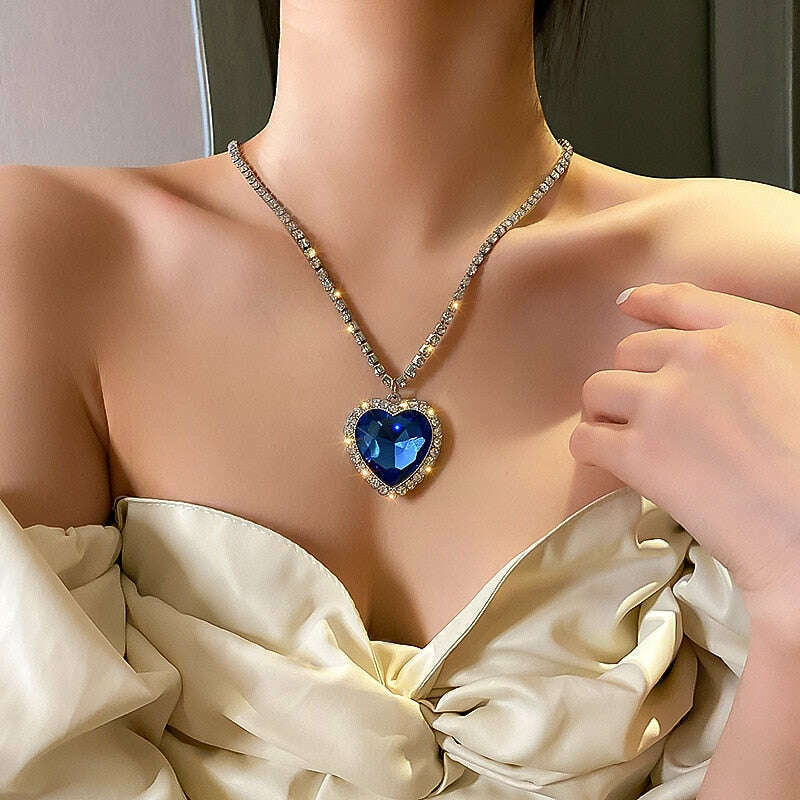
54. Costume Jewelry, Crystal Jewelry and Resin Accessories
Wipe gently with a soft cloth.
Protect glued crystals, painted surfaces, plated metals, and resin from unsuitable chemicals.
Store individually to reduce scratching and tangling.
Remove jewelry before swimming, showering, or applying beauty products where practical.
Avoid: Immersion, ultrasonic cleaners, alcohol-based cleaners, and abrasive polishing unless the manufacturer confirms compatibility.
PART VI — RUGS, FURNITURE AND HOME TEXTILES
For furniture and rugs, identify the surface finish, textile composition and manufacturer’s care instructions.
55. Wool Rugs
Vacuum regularly using a setting suitable for the pile and construction.
Avoid aggressive beater bars on fragile or hand-knotted rugs.
Blot spills immediately with a clean, white absorbent cloth.
Avoid rubbing, which can damage the pile and spread stains.
Use a compatible wool-safe product only as directed.
Have valuable, antique, or heavily stained rugs assessed by a specialist.
Ensure the rug dries thoroughly after approved spot treatment.
Avoid: Bleach, uncontrolled steam, excessive moisture, and untested stain remedies.
56. Silk Rugs
Silk rugs may be delicate and sensitive to friction, moisture, dyes, and inappropriate cleaning products.
Vacuum only with a method suitable for the construction.
Remove loose debris gently.
Blot spills without rubbing.
Consult a professional rug cleaner for stains and deep cleaning.
Protect from prolonged direct sunlight.
Avoid: Household carpet shampoos, soaking, and aggressive brushing.
57. Jute, Sisal, Coir and Seagrass Rugs
Vacuum regularly using a suitable setting.
Blot spills immediately.
Use only approved spot-cleaning methods.
Keep away from persistent dampness.
Ensure the backing and floor beneath the rug remain dry.
Seek specialist advice for extensive staining.
Avoid: Saturating natural-fiber rugs or using wet extraction without confirming that the fibers and backing can tolerate it.
58. Cotton, Flatweave and Synthetic Rugs
Follow the rug manufacturer's cleaning instructions.
Vacuum with a setting appropriate for the weave and pile.
Spot-clean using a compatible product.
Check whether the rug has a non-slip backing or special coating.
Dry completely before placing it back on the floor.
Avoid: Assuming that a washable-looking rug can be machine-washed or tumble-dried.
A specialist can assess a rug’s fibers, construction and condition before recommending treatment.
59. Velvet, Chenille and Bouclé Upholstery
Check the upholstery composition and cleaning code.
Vacuum gently with an appropriate attachment.
Blot spills without rubbing.
Brush pile fabrics only when recommended.
Rotate cushions as advised by the manufacturer.
Avoid: Applying steam or upholstery cleaners without checking the fabric's instructions.
60. Linen and Cotton Curtains
Check the fiber composition, lining, and care label.
Remove dust regularly using a suitable vacuum attachment or gentle dusting.
Wash only when permitted.
Support wet curtains appropriately to prevent stretching.
Avoid direct sunlight when prolonged exposure may fade the fabric.
61. Down and Feather Cushions, Duvets and Bedding
Follow the manufacturer's washing instructions.
Check whether the filling and outer fabric can be washed together.
Use a compatible detergent and the recommended drying process.
Ensure the filling is completely dry before storage.
Store in a breathable space where appropriate.
Avoid: Storing damp bedding or assuming every feather-filled product can be machine-washed.
62. Wood Furniture, Bamboo, Rattan and Cork
Dust with a soft cloth.
Use only a cleaning method compatible with the surface finish.
Wipe spills promptly and dry the surface when appropriate.
Keep away from excessive humidity and strong temperature fluctuations.
Store and position items away from prolonged direct sunlight.
Use wax, polish, or oil only when suitable for the finish.
Avoid: Soaking, abrasive pads, strong solvents, and applying furniture products to unknown finishes.
63. Marble, Granite, Travertine, Onyx and Natural Stone
Dust with a soft cloth.
Use a stone-safe cleaner appropriate for the specific material and finish.
Wipe spills promptly.
Protect surfaces from acidic substances, which can etch susceptible stones.
Follow specialist guidance for sealing and restoration.
Avoid: Vinegar, lemon juice, abrasive cleaners, and assuming every natural stone has the same resistance to acids or moisture.
64. Ceramics, Porcelain and Glass
Identify whether the item is glazed, painted, metallic-finished, bonded, or hand-decorated.
Clean ordinary, unadorned pieces according to their instructions.
Handle fragile objects with both hands where appropriate.
Store separately with suitable cushioning.
Avoid sudden temperature changes.
Avoid: Abrasive scrubbers and immersion of items with delicate finishes or glued components.
PART VII — BEAUTY, FRAGRANCE AND PERSONAL ACCESSORIES
65. Perfume and Fragrance
Store bottles upright and tightly closed when appropriate.
Protect from direct sunlight and excessive heat.
Allow perfume to dry on skin before dressing.
Keep fragrance away from pearls, delicate jewelry, leather, silk, and sensitive hair accessories.
Blot accidental spills without rubbing.
Avoid: Using solvents to remove perfume stains without checking the affected material.
66. Skincare, Cosmetics and Makeup
Follow each product's storage instructions and expiration guidance.
Close containers securely after use.
Allow creams, sunscreen, and makeup to settle before dressing.
Remove spills using a method appropriate for the stained material.
Follow the product label for disposal and hygiene.
Avoid: Applying household stain removers to delicate textiles without confirming compatibility.
67. Incense, Candles and Scented Products
Keep away from clothing, wigs, curtains, leather, electronics, and other combustible materials.
Follow the product's fire-safety instructions.
Store away from excessive heat and moisture.
Allow surfaces to cool before cleaning wax or residue.
Use a surface-appropriate cleaning method.
Avoid: Burning incense near stored garments, leaving candles unattended, or using open flames near fragrance products.
PART VIII — TECHNOLOGY, EYEWEAR AND ELECTRONICS
68. Smart Glasses and Electronic Accessories
Follow the manufacturer's cleaning and maintenance instructions.
Power off and disconnect devices before cleaning when applicable.
Use a clean microfiber cloth on compatible lenses and screens.
Keep liquid away from ports, microphones, speakers, hinges, and charging contacts.
Use only approved lens and screen cleaners.
Store in the designated case away from crushing pressure and extreme temperatures.
Use a clean microfiber cloth and an approved cleaner.
Store in a protective case.
Keep away from excessive heat that may affect coatings, frames, or adhesives.
Avoid: Wiping dusty lenses with clothing, using abrasive tissues, or exposing coated lenses to incompatible cleaning products.
70. Smartwatches and Wearable Electronics
Follow the device's cleaning instructions.
Disconnect charging accessories and power down when appropriate.
Clean compatible surfaces using approved methods.
Check the care requirements of straps made from leather, metal, fabric, or silicone.
Keep charging contacts clean and dry.
Avoid: Assuming water resistance means the entire device can be submerged or cleaned with soap.
71. Silicone, Rubber, Plastic and Polymer Accessories
Identify the material and any surface coating.
Clean with a compatible, gentle method.
Keep away from unsuitable solvents, oils, and extreme temperatures.
Dry thoroughly before storage.
Follow the manufacturer's guidance for products that contact skin or electronics.
PART IX — ADDITIONAL NATURAL AND SPECIALTY MATERIALS
72. Raffia, Straw, Wicker and Woven Grasses
Dust with a soft brush.
Protect from prolonged moisture.
Store in a dry, ventilated place.
Maintain the item's shape with suitable support.
Use specialist cleaning for delicate or stained woven pieces.
73. Natural Rubber and Latex
Follow the manufacturer's cleaning and storage instructions.
Avoid incompatible oils, solvents, and excessive heat.
Store away from direct sunlight and sharp objects.
Keep products clean and dry as appropriate for their intended use.
74. Paper, Handmade Paper and Papier-Mâché
Keep away from moisture and high humidity.
Dust gently with a soft brush.
Protect from direct sunlight.
Store flat or with appropriate support.
Consult a conservator for antique, valuable, or damaged pieces.
Avoid: Wet cleaning, aggressive erasing, and applying ordinary household products to fragile paper surfaces.
75. Beeswax and Plant-Wax Products
Follow the maker's instructions.
Store away from direct sunlight and excessive heat.
Keep away from dust and contaminants.
Use only a suitable cleaning method for the item's intended purpose.
76. Natural Dyes and Hand-Dyed Textiles
Check whether the dye is known to bleed or fade.
Follow the maker's instructions for washing and drying.
Separate colors where dye transfer is possible.
Avoid prolonged sunlight.
Seek specialist guidance for valuable or historically significant pieces.
Avoid: Assuming natural dyes are automatically colorfast or that they require no chemical processing.
77. Cork and Plant-Based Leather Alternatives
Wipe with a soft cloth using the approved cleaning method.
Avoid soaking seams, adhesives, and composite backing materials.
Keep away from excessive heat.
Follow the supplier's instructions for conditioning, if any.
Important: Plant-based leather alternatives may contain synthetic polymers, resins, or protective coatings. Their care depends on the finished product, not simply on their plant-derived ingredients.
78. Recycled and Upcycled Materials
Recycled textiles and upcycled products can combine fibers, finishes, and components from different sources.
Follow the finished product's care label.
Identify blended fibers and coatings before cleaning.
Handle reclaimed leather, vintage textiles, and repurposed decorations according to their current condition.
Seek specialist advice for unknown or deteriorating materials.
Avoid: Assuming recycled materials are automatically more washable, biodegradable, or resistant to damage.
79. Antique, Vintage and Heirloom Pieces
Older items may have weakened fibers, unstable dyes, brittle leather, aged adhesives, or historic finishes.
Inspect the piece before attempting any cleaning.
Remove loose dust only when safe.
Avoid experimental stain removal.
Store in a stable, clean environment appropriate for the material.
Consult a textile conservator, fur specialist, leather conservator, jeweler, or furniture restorer as appropriate.
Avoid: Applying modern cleaners, conditioners, steam, or polishing products without considering the item's age and condition.
PART X — GENERAL CARE PRINCIPLES
80. Stain Management
Different stains require different treatments, and the wrong product can permanently alter a material.
Water-based spills: Blot promptly with a clean, absorbent cloth.
Oil and grease: Avoid rubbing or spreading the stain; seek a compatible treatment.
Makeup and sunscreen: Check both the pigment and oily components before selecting a cleaner.
Ink and dye transfer: Avoid solvents unless approved for the specific material.
Perfume and fragrance: Blot carefully and check for color changes before applying anything else.
Unknown stains: Avoid heat and experimental remedies until the stain and material have been assessed.
Always test an approved cleaning product on an inconspicuous area when the manufacturer recommends it. Testing reduces risk but does not guarantee that a treatment is safe for the entire item.
81. Drying and Moisture Control
Follow the product's recommended drying method.
Avoid high heat unless specifically permitted.
Do not store damp clothing, wigs, rugs, leather goods, or accessories.
Allow adequate ventilation.
Keep moisture away from electronic components, glued decorations, and sensitive finishes.
Seek professional assistance if a valuable item becomes thoroughly wet.
Fold heavy knitwear, support hats and bags, and leave space between stored garments.
82. Storage and Protection
Clean items before long-term storage when appropriate.
Ensure they are completely dry.
Use suitable hangers for structured garments and fold heavy knitwear.
Store jewelry separately.
Use breathable covers when suitable for the material.
Avoid prolonged sunlight, excessive humidity, and temperature extremes.
Protect natural fibers from textile pests using appropriate methods.
Keep leather, fur, and delicate accessories from being compressed.
83. Repairs and Preventive Maintenance
Repair loose buttons, seams, clasps, and fasteners before damage spreads.
Have leather, fur, rugs, upholstery, and valuable jewelry repaired by qualified specialists.
Inspect delicate attachments and settings periodically.
Avoid attempting repairs with household adhesives unless the manufacturer specifically permits them.
Keep records of material composition and care instructions for valuable items.
84. Organic, Natural and Sustainable Materials
Natural, organic, recycled, and biodegradable are different descriptions and should not be used interchangeably.
Natural fibers originate from plants or animals but are not automatically certified organic.
Organic claims should be supported by supplier information or relevant certification.
Recycled materials may contain blends, dyes, adhesives, and synthetic components.
Plant-based leather alternatives may still contain polymers or coatings.
Sustainable care includes reducing unnecessary washing, repairing items where practical, and following suitable reuse or recycling routes.
NEED HELP CARING FOR A SPECIFIC PIECE?
We want you to enjoy your purchases for as long as possible.
If you are unsure about a fabric, fur type, leather finish, gemstone, coating, wig construction, rug fiber, or care label, contact our team before applying a treatment.
To help us provide the most relevant guidance, please include:
Product name: The exact item or collection.
Material composition: The fiber content, metal type, leather finish, or other information provided by the manufacturer.
Photos: Clear images of the product, care label, and affected area if applicable.
Your concern: Cleaning, stains, drying, storage, discoloration, tarnish, damage, or general maintenance.
We will help you identify the relevant care instructions and the safest next step based on the available product information.
Please note: This encyclopedia provides general educational guidance. Individual product instructions, manufacturer recommendations, and qualified professional advice take priority. For unknown, valuable, antique, delicate, or mixed-material pieces, seek appropriate specialist guidance before cleaning.
References & Related Collections
Explore related KIMLUD collections below. For care instructions, always refer to the individual item’s care label and manufacturer guidance.
Unsure how to care for your piece? Unsure about a material, coating or care label, Contact us with the product name, a photo of its care label and your question. before applying a treatment.