記事: The Art of the Viking Woman: Why Norse Hairstyles Remain the Most Mesmerizing Braided Creations in History
The Art of the Viking Woman: Why Norse Hairstyles Remain the Most Mesmerizing Braided Creations in History

From ancient Nordic settlements to modern runways, Viking women's hairstyles continue to embody power, beauty, and a timeless sense of individuality.
Table of Contents
- The Hair That Carried a Legacy
- The Beauty Philosophy of the North
- A Glimpse Into the Viking Woman's World
- The Language of the Braid
- Hair as Identity: Symbols, Status & Ritual
- The Art of Ornamentation
- 25 Viking Hairstyles That Define Nordic Beauty
- Creating the Perfect Modern Viking Hairstyle
- Viking Hairstyles for Weddings & Festivals
- Frequently Asked Questions
- Historical References
The Hair That Carried a Legacy

Before crowns were made of gold, before fashion houses transformed hair into sculpture, there were the women of the North — women whose hairstyles told stories of heritage, identity, craftsmanship, and strength.
Across the windswept landscapes of Scandinavia, where fjords cut through mountains and longships crossed dark northern seas, Viking women created hairstyles that were both practical and extraordinary. Their braids were not merely arrangements of hair; they were expressions of personality, social position, and cultural pride.
Today, more than a thousand years later, Viking-inspired hairstyles have returned with remarkable force. They appear on fashion runways, wedding stages, fantasy films, historical festivals, and social media feeds. They have become symbols of confidence — a visual language combining femininity with resilience.
A Viking braid feels ancient yet modern. It feels delicate yet powerful. It belongs equally in a medieval hall illuminated by firelight and on a contemporary fashion editorial photographed in natural sunlight. This rare combination is what makes Viking women's hairstyles among the most captivating hairstyles ever created.
The Beauty Philosophy of the North

Modern beauty culture often changes with the seasons. Viking hairstyles belong to another category entirely — they are not defined by temporary fashion. They are built upon craftsmanship.
The women of the Viking Age understood that beauty was not separate from daily life. Hair needed to survive long journeys, physical work, changing weather, and demanding environments. Yet practicality did not mean simplicity. Instead, Viking women transformed necessity into artistry.
A braid could protect the hair while creating intricate patterns. A metal ornament could secure a hairstyle while displaying craftsmanship. A carefully arranged hairstyle could communicate elegance during gatherings and celebrations. The result was a beauty tradition where function and decoration existed together.
A Glimpse Into the Viking Woman's World

The popular image of Vikings often focuses on warriors and exploration, but Viking society was also shaped by skilled farmers, merchants, artisans, and household leaders. Women played essential roles within their communities — managing households, producing textiles, participating in trade networks, and preserving traditions. Their clothing, jewelry, and hairstyles reflected their place within society.
Archaeological discoveries from Viking settlements have revealed combs made from bone and antler, grooming tools, hair accessories, and decorative items. These discoveries challenge the outdated image of Vikings as unconcerned with appearance. On the contrary, grooming was an important part of Viking identity. A well-maintained hairstyle represented discipline, care, and refinement.
The Language of the Braid

There is something almost architectural about Viking braiding. Each strand follows a deliberate path. Each crossing creates structure. Each pattern builds upon the previous one. The braid becomes a form of textile art — similar to the woven fabrics produced by Viking women themselves.
The Shield Maiden Braid
A dramatic arrangement of multiple braids designed to frame the face while keeping hair secure. Modern interpretations often include several narrow braids combined with loose waves — the most iconic contemporary Viking hairstyle, communicating strength and confidence.
The Nordic Crown Braid
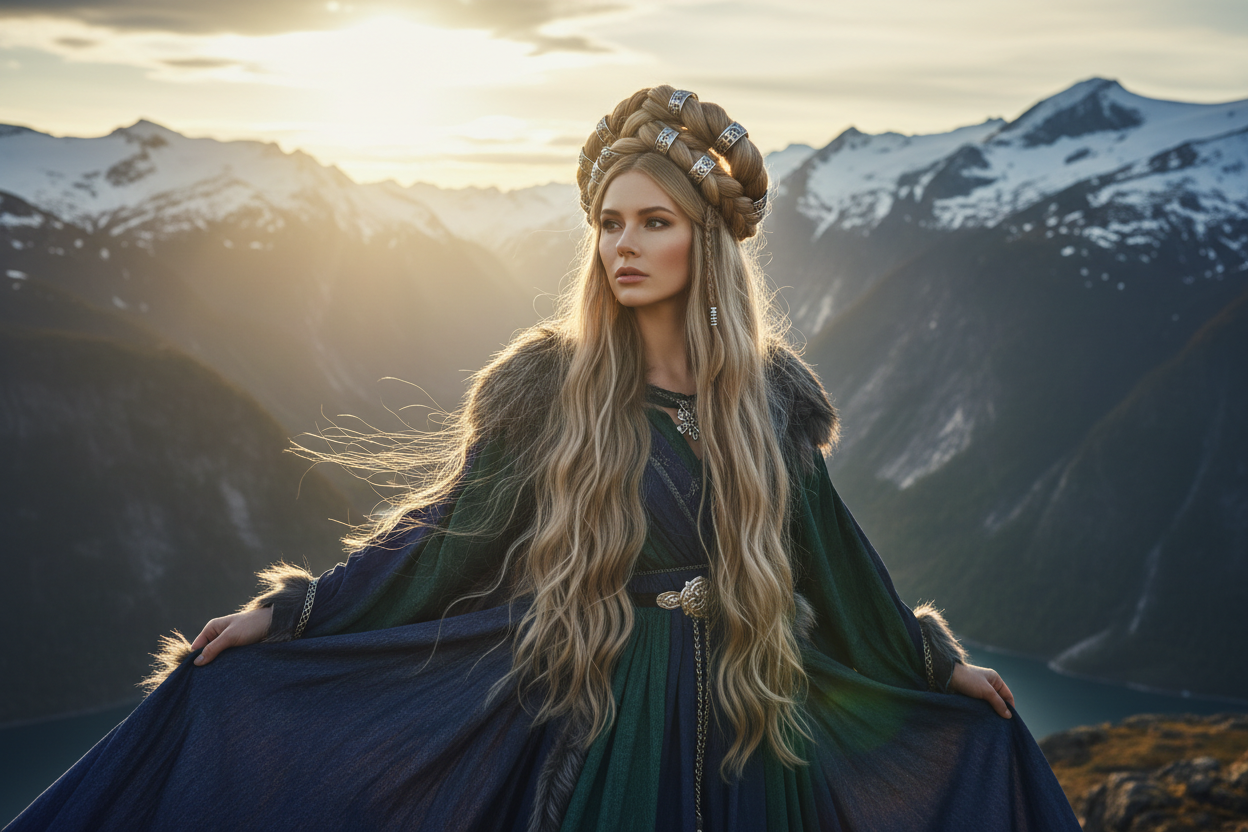
A circular braid that surrounds the head like a natural crown. Elegant and regal, this style reflects the Viking appreciation for beauty and ceremony. It creates a silhouette that feels both ancient and completely modern.
The Warrior Fishtail
A detailed fishtail braid that creates a woven appearance. Its texture gives the hairstyle a handcrafted quality reminiscent of Viking textile traditions.
The Braided Half-Up Style
A softer interpretation featuring braided sections gathered at the back while the remaining hair flows freely — feminine, graceful, and effortlessly wearable.
Hair as Identity: Symbols, Status & Ritual

In the Viking world, hair was never simply a matter of appearance. It was part of a woman's identity. Long before modern beauty magazines transformed hairstyles into seasonal statements, Viking women understood that hair could communicate who they were, where they came from, and how they wished to be perceived.
A hairstyle could reveal age, social position, personal taste, marital status, and connection to tradition. In the same way that a finely woven garment or a carefully crafted piece of jewelry reflected the skill and creativity of its owner, hair represented another form of craftsmanship. Every braid carried intention. Every ornament carried meaning.
The braid has survived thousands of years because it combines two qualities rarely found together: strength and beauty. A braid protects hair while creating structure. It organizes individual strands into a unified design. For Viking women, this approach mirrored many aspects of daily life — building, weaving, farming, preparing, and preserving. The braid was not rushed. It was created.
The Art of Ornamentation
One of the most fascinating elements of Viking-inspired hairstyles is the relationship between hair and jewelry. The Vikings were master craftsmen — their metalworkers created intricate brooches, necklaces, bracelets, and decorative objects using silver, bronze, gold, glass, and precious stones. Hair accessories followed the same philosophy.
A simple braid could become extraordinary when enhanced with polished metal rings, woven cords, decorative beads, bronze ornaments, carved pins, ribbons, and natural materials. These additions transformed hair from something functional into something ceremonial. Imagine entering a Viking longhouse during a winter celebration: firelight reflecting against silver jewelry, embroidered fabrics surrounding the room, and women wearing carefully arranged braids decorated with handcrafted details.
25 Viking Hairstyles That Define Nordic Beauty
1. The Nordic Crown Braid

The hairstyle of elegance and quiet royalty. Hair is woven around the head, creating the appearance of a natural crown. The style frames the face beautifully and gives a sense of effortless sophistication. Best suited for weddings, ceremonial occasions, and elegant portraits.
2. The Shield Maiden Braided Style
Inspired by the modern image of the Viking warrior woman, this hairstyle features multiple tight braids combined with flowing sections of hair. The contrast creates a powerful balance: structured braids suggest discipline, loose waves suggest freedom.
3. The Fishtail Viking Braid
The fishtail braid creates a pattern resembling handcrafted fabric. Its detailed texture makes it ideal for editorial photography. Pair it with small silver rings or natural flowers for a romantic Nordic aesthetic.
4. The Valkyrie Braid
Drawing from the legendary female figures of Norse mythology, this style features multiple braids around the crown and face, creating a dramatic silhouette. Powerful. Mythical. Unforgettable.
5. The Half-Up Viking Queen
The upper portion of the hair is braided or twisted into an elegant arrangement, while the lower section remains loose. Feminine, graceful, and wearable — a hairstyle that belongs equally in a Viking hall and a modern luxury wedding.
6. The Braided Viking Bun
Hair is woven into braids before being gathered into a secure bun. Historically inspired by the need for functional hairstyles, modern versions create a refined appearance perfect for formal events.
7. The Double Side Braids

Two braids run along either side of the head, often combined with loose waves. Simple yet striking — not every Viking hairstyle needed to be elaborate. Its appeal comes from simplicity.
8. The Warrior Mohawk Braid
Multiple narrow braids are arranged along the center of the head, creating a raised effect. Popularized by fantasy and historical television, this style has become a symbol of confidence.
9. The Viking Rope Braid
The rope braid creates a twisted appearance by wrapping sections of hair around each other. Minimal effort. Maximum character.
10. The Norse Flower Braid
Small flowers or natural decorations are woven into braided sections. Inspired by Nordic landscapes, this style feels connected to nature. Ideal for spring weddings and outdoor ceremonies.
11. The Silver Ring Viking Braid
Small metal rings are attached throughout the braid, creating movement and reflecting light. The accessories transform ordinary hair into a piece of wearable art.
12. The Long Saga Braid
A single dramatic braid extending down the back. Simple, powerful, and timeless. This style celebrates length and natural beauty, creating a silhouette reminiscent of ancient storytelling traditions.
13. The Nordic Mermaid Braid
A modern fantasy interpretation combining loose waves, multiple braids, and textured volume. The result feels magical without losing its historical inspiration.
14. The Braided Halo
Similar to a crown braid but softer. The braid circles the head like a halo, creating an ethereal appearance especially popular among brides seeking a natural, romantic look.
15. The Viking Side Sweep
Hair is gathered to one side and woven into a dramatic braid. The asymmetry creates movement and personality, perfect for showcasing earrings and jewelry.
16. The Triple Warrior Braid

Three major braids are combined into one statement hairstyle. The complexity creates a bold appearance suitable for those who want a powerful Viking-inspired look.
17. The Rustic Nordic Braid
This style embraces imperfection. Loose strands, natural texture, and relaxed braiding create a handmade appearance. Its beauty comes from looking effortless.
18. The Viking Bridal Braid
A favorite among modern brides, featuring pearl accents, flowers, delicate braids, and soft waves. The style combines ancient inspiration with contemporary romance.
19. The Forest Maiden Hairstyle
Inspired by Scandinavian nature, featuring loose curls, small braids, and botanical decorations. It creates a connection between beauty and the natural world.
20. The Viking Traveler Braid
Designed for movement and practicality. This style keeps hair secure while maintaining visual interest — a perfect representation of Viking practicality.
21. The Raven Queen Hairstyle
A dramatic dark-haired interpretation often styled with black ribbons, silver accessories, and strong braided patterns. It creates a mysterious, regal appearance.
22. The Golden Shield Braid
Golden hair combined with intricate braiding creates a striking historical fantasy aesthetic inspired by the warm tones often associated with Nordic imagery.
23. The Simple Farmer's Braid
Not every Viking hairstyle was elaborate. A practical braid worn during daily work represents the everyday woman of the Viking Age. Its simplicity is part of its beauty.
24. The Modern Nordic Fusion
This combines Viking techniques with contemporary salon styling — balayage color, textured waves, modern accessories, and professional finishing. It proves ancient inspiration can adapt beautifully.
25. The Ultimate Viking Goddess Hairstyle

The most dramatic interpretation combines everything: multiple braids, flowing waves, metal details, natural textures, and decorative elements. It is less a hairstyle and more a complete artistic statement.
Creating the Perfect Modern Viking Hairstyle
Creating a Viking hairstyle begins with one essential element: texture. The Viking aesthetic is not based on perfectly smooth, polished hair — it celebrates movement. Soft waves, natural volume, and slightly undone details create the foundation.
Step One: Prepare the Hair
Before braiding, add texture. Gently wave the hair for volume, use lightweight styling products, avoid an overly polished finish, and create natural movement. The goal is a hairstyle that feels lived-in and organic — imagine hair shaped by sea winds and northern landscapes.
Step Two: Create the Structure
The braid is the architecture of the hairstyle. Popular modern combinations include the Crown Foundation (a braid beginning near the temples and traveling around the head), the Side Structure (small braids along one side with loose hair remaining), and the Multiple Braid Method (several narrow braids combined with larger sections to create depth).
Step Three: Add Movement
A Viking hairstyle should never appear frozen. The most beautiful versions include loose strands, flowing ends, soft curls, and natural texture. The hairstyle should appear as though it belongs to someone who could walk from an ancient northern village directly onto a modern fashion runway.
Viking Hair Accessories
Metal Hair Rings — small rings woven into braids create movement, texture, and metallic highlights. Silver tones complement the cool Nordic palette beautifully. Beads and Charms — wood, bronze, silver, glass, and stone-inspired materials create a handmade appearance. Leather Details — leather cords add an earthy, practical quality and reinforce the connection to nature. Natural Elements — flowers, feathers, dried plants, and botanical details create a romantic forest-inspired aesthetic.
Viking Hairstyles for Weddings & Festivals
Few hairstyles create a more dramatic bridal appearance than Viking-inspired braids. A popular wedding interpretation includes a braided crown, soft waves, pearl or silver accessories, and natural flowers — the result feels timeless rather than trendy, combining ancient inspiration with modern luxury.
At historical festivals, Renaissance fairs, and outdoor celebrations, Viking hairstyles embrace creativity: larger braids, colorful accessories, dramatic textures, and fantasy-inspired details. These hairstyles are designed to be expressive. They are not simply worn. They are performed.
The modern Viking woman is not limited to a historical character. She represents an attitude — creative rather than ordinary, confident rather than invisible, connected to nature, appreciative of craftsmanship, comfortable with both softness and strength.
Frequently Asked Questions
Did Viking women really wear braids?
Yes, braiding was likely an important part of Viking-era grooming. Archaeological discoveries show that Viking communities valued personal grooming — finds of bone and antler combs, grooming tools, and hair accessories demonstrate that maintaining hair was an important aspect of daily life. However, many dramatic Viking warrior braids seen today are modern interpretations inspired by historical evidence rather than exact recreations.
What did Viking women's hair look like?
The Viking Age covered more than 250 years and included many different regions, so hairstyles probably varied. Historical evidence suggests Viking women may have worn long loose hair, simple braids, tied-back hairstyles, covered hairstyles with head coverings, and decorative arrangements using pins and accessories. Women of higher social status may have displayed more elaborate hairstyles with jewelry and ornaments.
What is the most famous Viking women's hairstyle?
The most recognizable modern Viking-inspired hairstyle is the shield maiden braid — multiple side braids, textured waves, decorative rings or beads, and a combination of tight and loose sections. Although popular today, it is primarily a modern interpretation inspired by Viking aesthetics rather than a confirmed historical hairstyle.
Did Viking women use hair accessories?
Yes. Archaeological evidence shows Vikings used combs, pins, beads, metal ornaments, brooches, and jewelry. Hair decoration was part of a wider Viking tradition of craftsmanship and personal presentation. Accessories were made from bone, antler, bronze, silver, wood, and glass beads.
Were Viking hairstyles only for warriors?
No. The modern association between Viking hairstyles and warriors comes largely from entertainment media. Historical Viking women had many roles — farmers, traders, craftspeople, textile workers, and household managers. Their hairstyles represented identity and culture, not only warfare.
Are Viking hairstyles suitable for weddings?
Yes. Viking-inspired bridal hairstyles have become popular because they combine romance and individuality. They work especially well for outdoor weddings, woodland ceremonies, historical-themed celebrations, and rustic luxury events.
Are modern Viking hairstyles historically accurate?
Some elements are historically inspired, but many popular styles are creative adaptations. Historically supported elements include braiding, grooming tools, decorative accessories, and attention to personal appearance. A modern Viking hairstyle is best understood as historical inspiration interpreted through today's creativity.
Historical References & Suggested Reading
Primary Sources
The Poetic Edda — A collection of Old Norse poems containing references to Norse mythology, society, and cultural ideals. The Prose Edda — Written by Icelandic historian Snorri Sturluson, preserving important information about Norse mythology and literary traditions. The Sagas of Icelanders — Providing valuable insights into Viking Age society, including descriptions of clothing, appearance, and social customs.
Archaeological References
The Oseberg Ship Burial — An extraordinary collection of Viking Age objects including textiles, tools, and personal items providing insight into elite Norse life. The National Museum of Denmark — Houses important Viking Age collections including jewelry, weapons, tools, and everyday objects. The Museum of Cultural History, Oslo — Contains Viking Age artifacts from famous Norwegian archaeological discoveries.
Academic References
Graham-Campbell, James — The Viking World. Jesch, Judith — Women in the Viking Age. Price, Neil — The Children of Ash and Elm. Graham-Campbell & Batey — Viking Artifacts: A Select Catalogue.
Editorial Note
The fascination with Viking women's hairstyles comes from the meeting point between archaeology and imagination. The surviving evidence gives us glimpses — combs, ornaments, artwork, and written descriptions — while modern hairstylists transform those fragments into living expressions of beauty. The Viking braid is therefore more than a historical hairstyle. It is a bridge between past and present: a reminder that creativity, craftsmanship, and personal expression have always been part of human identity.


555