

The Modern Dress Edit: 10 Ways to Style Dresses for Every Occasion
The Modern Dress Edit
Ten thoughtful dress formulas for shaping a wardrobe around color, proportion, ease, and the moments that make getting dressed personal.

📋 TABLE OF CONTENTS
- A dress is a beginning, not a rule
- Choose the dress that fits your day
- Read silhouette through proportion
- Build a color story that feels like you
- Dress for the occasion without losing yourself
- Look 1: The quiet shirt dress
- Look 2: The fluid midi
- Look 3: The crisp day dress
- Look 4: The soft knit dress
- Look 5: The printed statement
- Look 6: The tailored dress
- Look 7: The layered slip silhouette
- Look 8: The romantic occasion dress
- Look 9: The relaxed weekend dress
- Look 10: The evening column
- Use layers to extend a dress
- Choose shoes and accessories with purpose
- Make comfort part of the style decision
- Care for real garments accurately
- Build a useful dress wardrobe
- Frequently asked questions
- Make the edit your own
- Sources & References
A dress is a beginning, not a rule
A dress can be a complete outfit, a starting layer, or simply one useful shape in a closet built around many different moods. The appeal is practical: one piece can provide a clear line from shoulder to hem, while small choices in footwear, outerwear, and accessories shift how that line feels. A dress can be easy to wear without feeling ordinary, and it can feel expressive without requiring a complicated set of styling rules.
This edit explores ten ways to think about dresses through silhouette, color, layering, and occasion. The formulas are deliberately adaptable. They do not depend on one exact fiber, one body shape, or one prescribed level of formality. Treat each as a prompt, then use the garments and preferences already present in your wardrobe. A familiar shirt dress might become sharper with a belt, softer with a cardigan, or more relaxed with flat shoes. The dress is only one part of the decision.
Before choosing a look, consider the actual day ahead. A long commute, warm afternoon, formal invitation, or busy weekend can each call for different movement, coverage, and footwear. Style works best when it supports that reality. The point is not to dress for an imagined perfect scene, but to find a combination that lets you feel composed while living the day you have.
The ten formulas that follow move from clean everyday shapes to more expressive evening ideas. Along the way, use them to notice what you like: a defined waist, an open layer, a muted pattern, a soft color contrast, or a simple column. Keep the parts that suit you and leave the rest. A personal wardrobe is built through thoughtful selection, not through copying every detail in a photograph or buying every silhouette that happens to be in view.
Choose the dress that fits your day
Start with the role a dress needs to play. A piece for an office day may need to work with a jacket and comfortable shoes; an event dress may be worn for only a few hours but still benefit from easy movement; a travel dress might need to layer well and feel comfortable through a long stretch of sitting. Thinking first about use makes the search clearer and keeps visual excitement connected to real life.
Next, identify the features that matter most to you. Some people prefer sleeves, others value an open neckline or a defined waist. You may like a hem that moves freely, or prefer a straighter shape that feels simple to layer. These are personal fit and comfort preferences, not rules about which silhouette suits a particular body. Choose a dress that lets you breathe, walk, sit, and reach without repeatedly adjusting it.
Look at the entire garment rather than judging one attractive detail in isolation. A dramatic neckline may be beautiful but may not work with the layers you already own. A skirt with a lot of movement may feel delightful at an event but less practical for a crowded commute. A versatile dress balances its strongest visual feature with enough ease to fit the circumstances where you expect to wear it.
When shopping, use exact product information. Review the garment measurements, closure, lining, fiber content, and care instructions that are provided for that item. Do not assume the material from a photograph or rely on the description of another similar-looking dress. If a fit detail is important and unclear, ask for clarification before purchasing. Accurate information helps separate a beautiful idea from a garment that will actually serve you.
It can help to make a short personal checklist: what setting is this for, which shoes will I wear with it, what layer might I need, and how should it feel when I move? Keep the checklist flexible rather than turning it into a rigid formula. A special dress may earn its place because it brings joy even if it is not a workhorse. The aim is an intentional choice, not a wardrobe made only of multitasking basics.
Read silhouette through proportion
Silhouette is the outline created by the dress and the layers around it. A straight dress can feel crisp and modern, while a fuller skirt may bring movement and softness. A waist seam, tie, or belt changes where the eye pauses, and a long open layer can create a continuous vertical line. None of these effects is universally better. They are visual tools that let you decide how you want the outfit to read.
Compare lengths carefully. A jacket ending near the waist creates a different relationship from a coat that falls past the dress hem. A cropped layer can emphasize the dress shape underneath, while a longer coat may frame the whole outfit as one column. Try the pieces together, stand naturally, and then walk or sit. A proportion that looks balanced in a static mirror may behave differently in motion.
Volume can be distributed in more than one way. A relaxed dress may feel complete with a structured jacket, while a fitted dress can soften beneath an open cardigan. If both the dress and outer layer are loose, a visible cuff, neckline, or hem may help the outfit feel intentional without forcing a tight waist. If you like a more defined shape, add a belt only when the dress is designed to sit comfortably with one.
Pay attention to the hem with the shoes you will actually wear. A midi hem can meet different shoes in different places, and the effect can change the entire outfit. If the hem catches, drags, or makes walking awkward, adjust the footwear or the garment length rather than trying to preserve a photograph-like pose. Small tailoring changes can make a favorite dress easier to wear repeatedly.
Proportion advice should never become a list of body corrections. A silhouette is a matter of expression and comfort. You might choose a long line because it feels calm, a shorter hem because it feels lively, or generous volume because it makes movement easier. Test a few combinations and notice which one makes you feel most like yourself. The best proportion is one you can inhabit naturally.
Build a color story that feels like you
Color can set the mood before any accessory is added. Ivory and camel suggest softness, navy and cream give a little more definition, and a muted green or terracotta shade can bring a measured point of interest. Rather than requiring exact matching, build a small family of colors that feel comfortable together. A main shade, a supporting neutral, and one accent can be a useful beginning.
Consider temperature as well as brightness. Cream may lean warm or cool; pink may feel powdery or vivid; a green may be muted, yellow-leaning, or blue-leaning. Hold a dress beside garments already in your wardrobe in natural light. The same dress can look different beside white, taupe, or charcoal. The test is not whether every tone matches precisely, but whether the combination feels harmonious to your eye.
Prints can contribute color without requiring several separate pieces. If a dress already has a clear pattern, let one of its quieter shades guide the accessories. A neutral shoe or bag can create breathing room. If the dress is simple, a patterned scarf or colorful shoe can add personality. In either case, consider whether a new accent supports the outfit or competes with its main detail.
A tonal outfit is not necessarily flat. Different shades of one family can create gentle depth, and materials with different surfaces can add interest without adding more colors. A smooth dress beside a textured jacket reads differently from the same dress under another smooth layer. Use texture deliberately, but check the actual garment information for composition and care rather than guessing from appearance.
If you are experimenting with a color outside your usual range, begin with a small commitment. Try it in a dress you can layer, in a print with familiar neutrals, or in an accessory that repeats the shade. Wear it at home and see how it feels through a normal day. Color is personal, and comfort often grows when you allow yourself to test a new combination without demanding that it become a permanent signature.
Dress for the occasion without losing yourself
Occasion dressing begins with understanding the invitation or setting. Consider formality, venue, weather, expected movement, and whether you will be indoors or outside. A dress that works for a gallery opening may need different shoes from one chosen for a garden gathering. A workplace may have a defined dress code, while a casual dinner may leave more room for personal expression. Read the context before settling on details.
Use layers to adjust the level of polish. A clean blazer can make a simple dress feel more structured; a fine cardigan can relax a sharper outline; a light coat can frame the look outdoors. The layer should fit over the dress without pulling at shoulders or sleeves. If you expect to remove it, make sure the dress still feels finished on its own.
Color and accessories can also shift the tone. A restrained palette and simple jewelry may feel appropriate for a formal daytime event. A more vivid bag or a distinctive earring can make a familiar dress feel ready for a celebration. Keep an eye on comfort as you make those choices. If you will be standing or walking for hours, shoes and layers matter as much as the dress itself.
Dress expectations can vary across families, workplaces, cultures, and regions. When in doubt, ask the host or organizer rather than relying on broad assumptions. Modesty, coverage, and style preferences belong to the person wearing the clothes. A thoughtful outfit respects the setting while allowing the wearer to remain comfortable and self-possessed.
One dress can move across several occasions when the supporting pieces change. A shirt dress may feel relaxed with flats and a woven bag, then more polished with a structured layer and a refined shoe. A simple midi can be styled differently through jewelry and outerwear. The point is not to make one garment serve every possible situation, but to recognize where it can be used confidently and where another choice would be better.
Look 1: The quiet shirt dress

A shirt dress offers a familiar structure that can shift between relaxed and polished settings. Its collar and button line create definition, while the skirt can fall straight or move more freely depending on the cut. Begin with the dress itself, then decide whether you want to preserve its clean outline or introduce another texture through a belt, knit, or jacket.
For a simple daytime version, let the dress carry the look and choose shoes that suit the distance you will walk. A slim belt can clarify the waist if the garment allows comfortable adjustment. If a belt feels restrictive, leave the dress loose and use a shorter layer to create a visual break. Do not tighten the fabric simply because a styled image shows a sharply defined waist.
To make the shirt dress feel more formal, add a structured jacket and a polished bag in a related neutral. Keep the collar neat and choose accessories that do not crowd the neckline. If you prefer a more casual mood, roll the sleeves as the garment permits, leave the top button open if appropriate, and wear simple flats or low boots. Small choices can change the impression without requiring a completely new outfit.
Check the dress closure and hem while moving. Buttons should sit smoothly without pulling, and the skirt should allow comfortable steps. If you plan to wear the dress open as a light layer, make sure it works with the outfit underneath and does not catch on other pieces. The most useful shirt dress is one that feels finished in more than one arrangement and does not demand constant readjustment.
For a print, repeat one quiet color from the pattern in a shoe, belt, or bag. The KIMLUD All Women’s Dresses collection is a place to explore dress silhouettes, while the Women’s Tops collection can help you compare the kind of layering pieces that change the mood of an outfit. Browse the pages for verified details rather than assuming any pictured material or feature.
Look 2: The fluid midi

A fluid midi dress brings movement into the outfit while keeping the overall line easy to read. The hem can sway as you walk, so the supporting pieces should leave room for that motion. If you choose a loose outer layer, consider whether it moves at the same pace or whether a shorter jacket will make the dress more visible. Both approaches can be elegant when they suit the setting.
Let shoes guide the final proportion. A flat can make the dress feel relaxed and practical; a low heel may create a more formal impression. Try the whole outfit before the day you plan to wear it. Walk, sit, and take stairs. The hem should not catch underfoot, and the shoe should remain comfortable through the expected distance. If the dress needs constant adjustment, change the styling rather than forcing the look.
For a tonal formula, pair the midi with a jacket in a neighboring shade. A light dress and slightly deeper coat can create a calm frame without sharp contrast. If you prefer more energy, use one color accent in a bag or earring. Let that accent appear once or twice rather than matching every item exactly. A controlled repeat can create cohesion while preserving individuality.
A fluid shape does not need to be treated as a special-occasion garment. It may work for daytime plans, travel, or relaxed gatherings when its fabric, coverage, and shoes suit the day. Read the exact care label and product description before deciding how to wash or store it. Two dresses with a similar drape can have different fibers and different maintenance needs.
When the weather changes, add a layer that can be removed and carried. A lightweight cardigan or open jacket can keep the dress visible and provide a practical adjustment. Make sure the sleeve and shoulder fit over the dress without bunching. The best layer is one you can wear comfortably for the actual hours you will spend in it.
Look 3: The crisp day dress

A crisp day dress can feel composed without requiring ornate styling. A clean neckline, clear seam, or simple waist detail may be enough to give the garment its character. Begin with practical choices: the length should work with your stride, closures should sit comfortably, and the dress should feel appropriate for the temperature and setting. Precision does not need to mean stiffness.
Try a jacket that echoes one line in the dress rather than competing with it. A short jacket can emphasize the garment shape; a longer layer can create a continuous outline. If both pieces are strongly structured, keep accessories simple. If the dress is very plain, a scarf or distinctive bag can add a personal point of interest. The outfit should have one clear lead rather than many elements asking for attention at once.
For a workday, choose shoes that support walking and standing, then check that the hem does not restrict movement when seated. A bag should meet the practical needs of the day rather than merely match the dress. If the dress has pockets, closures, or a belt detail, consider how those features function during normal movement. A good outfit supports the day instead of creating small problems that follow you through it.
Color can stay light and polished, or deepen toward navy, cocoa, or another shade that feels right in your wardrobe. If you add a belt, match its width to the loops or design of the garment where possible. If there are no loops, test that the belt stays in place comfortably. Never use an accessory to hold a garment in a position that does not feel secure or natural.
After wearing the dress, note what worked. Did you reach for a warmer layer? Did the sleeves feel easy to move in? Did the shoes carry you comfortably? These observations help you style it better next time and make smarter decisions when adding another dress. A well-edited wardrobe grows through use and reflection rather than through a list of ideal pieces.
Look 4: The soft knit dress

A knit dress can provide a softer alternative to crisp woven shapes. Its comfort depends on the actual construction and fit, so examine the garment details before making assumptions. Some knits cling, some skim, and some hold a straighter line. Choose the version that feels good against the skin and allows comfortable movement through the day.
Layering can change the knit dress without obscuring it. A blazer adds a clear edge; a cardigan keeps the outfit gentle; a long coat can provide warmth and a smooth outer line. Check that the layer does not pull across the shoulder or sleeve. If the dress already has substantial texture, keep the outerwear simple. If it is smooth and understated, one textured accessory may bring balance.
Footwear has a strong effect on the mood. A clean flat or simple boot may keep the look practical; a more formal shoe can make it feel ready for an evening plan. Try the dress at the temperature you expect to encounter. A layer that seems comfortable indoors may feel too warm outside or too light in a drafty room. Use the setting as a guide rather than following a fixed styling rule.
Pay attention to how the dress holds its shape after sitting and walking. If the fabric stretches or gathers in a way you dislike, another cut may serve you better. Follow the garment’s own care instructions, especially for knit construction. The product description and label are the reliable sources for cleaning and storage choices; appearance alone cannot confirm a material or maintenance method.
For a quiet palette, pair the dress with a coat and shoe in related neutral tones. A small color accent can come from a scarf, bag, or earring. Keep only the details that improve comfort or clarify the outfit. A knit dress can already feel complete, and an extra layer should add purpose rather than become a requirement.
Look 5: The printed statement

A printed dress brings several colors and shapes together at once. Begin by deciding whether the pattern or the silhouette should lead. If the print is expressive, let shoes and outerwear provide breathing room. If the pattern is small and quiet, a stronger jacket or accessory may create the focal point. There is no required balance; the useful question is whether the whole outfit feels coherent to you.
When selecting accessories, pick one shade from the print and repeat it once. A shoe, bag, or piece of jewelry can echo that tone without turning the outfit into a matching set. If the print already includes several colors, a neutral accessory can be more calming. Exact matching is optional, and sometimes a neighboring shade gives the outfit more depth than a perfect color match.
A printed dress may be worn across different settings if the hem, neckline, and fabric are appropriate. A jacket can make it feel more formal, while a relaxed outer layer can soften it. If the print is visually active, avoid adding multiple competing patterns unless you intentionally want a layered effect. Consider the scale of each pattern and the distance from which the outfit will be seen.
Use the actual product information to understand fabric, lining, and care. A printed surface does not tell you the fiber, and colors in photographs may shift with light or screen settings. If a particular color is important to you, compare the available product images and description carefully. Choose a garment because its verified details and fit work for you, not because an image suggests a material or finish that is not stated.
For a thoughtful shopping route, explore the existing All Women’s Dresses collection and the broader Women’s Fashion collection. Use those pages to compare current items and their verified information. The purpose of the links is to help readers browse relevant categories, not to imply that every dress described in this article is an exact catalog item.
Look 6: The tailored dress

A tailored dress can make a strong impression through clean lines and considered details. A defined shoulder, a neat waist seam, or a simple collar may provide enough structure on its own. Keep the styling focused so the garment’s construction remains visible. If you add a jacket, check that its shape complements rather than hides the dress.
Try the garment in the setting where you expect to wear it. Sit at a table, walk across the room, and reach naturally. A dress that feels polished in a static pose should also allow you to move through the day. If the sleeves pull or the neckline shifts, reconsider fit or layering before adding accessories. Comfort is part of the tailored effect because it lets the outfit sit naturally.
For a formal day, choose a refined shoe and a bag that is practical enough for the event. For a relaxed meeting or lunch, a softer shoe or open layer can reduce the formality. A belt may sharpen the waist if it is compatible with the garment design. Avoid tightening it simply to create a shape that the dress does not naturally support.
Color can be restrained or expressive. Navy, charcoal, and warm neutrals provide useful foundations, while one brighter shade can make the outfit feel personal. If the dress itself is bold, keep accessories measured. If it is very minimal, an earring or bag can add the small point of contrast that brings the look together.
A tailored dress can work well with pieces you already own. Check the closet for an outer layer, shoe, and bag that suit its shape before shopping for additions. If the outfit feels incomplete, change one item at a time and see what improves the balance. This process keeps the dress connected to your wardrobe instead of creating a single-use combination.
Look 7: The layered slip silhouette

A slip-inspired dress can be styled as a simple base or a layering piece, depending on its construction and the setting. Wear it alone when the neckline and coverage feel appropriate, or add a shirt, cardigan, or jacket to change the texture. The point is not to treat the dress as only evening wear; it can be adapted when it is comfortable and suitable for the day.
When layering a shirt or knit underneath, check the neckline and sleeves together. Too many seams can feel bulky, and a rough layer may not sit comfortably against the skin. A fine base layer may create a cleaner look, while an open jacket can add structure without changing the dress itself. Try the combination in motion so you can see whether the layers shift or bunch.
A longer coat can frame a slip shape and provide coverage outdoors. A cropped jacket can create a stronger break and draw attention to the dress’s own line. Both options are valid. Choose based on weather, venue, and how the proportion feels when you wear it. If the layers conceal every detail you like about the dress, try a different length or a more open styling approach.
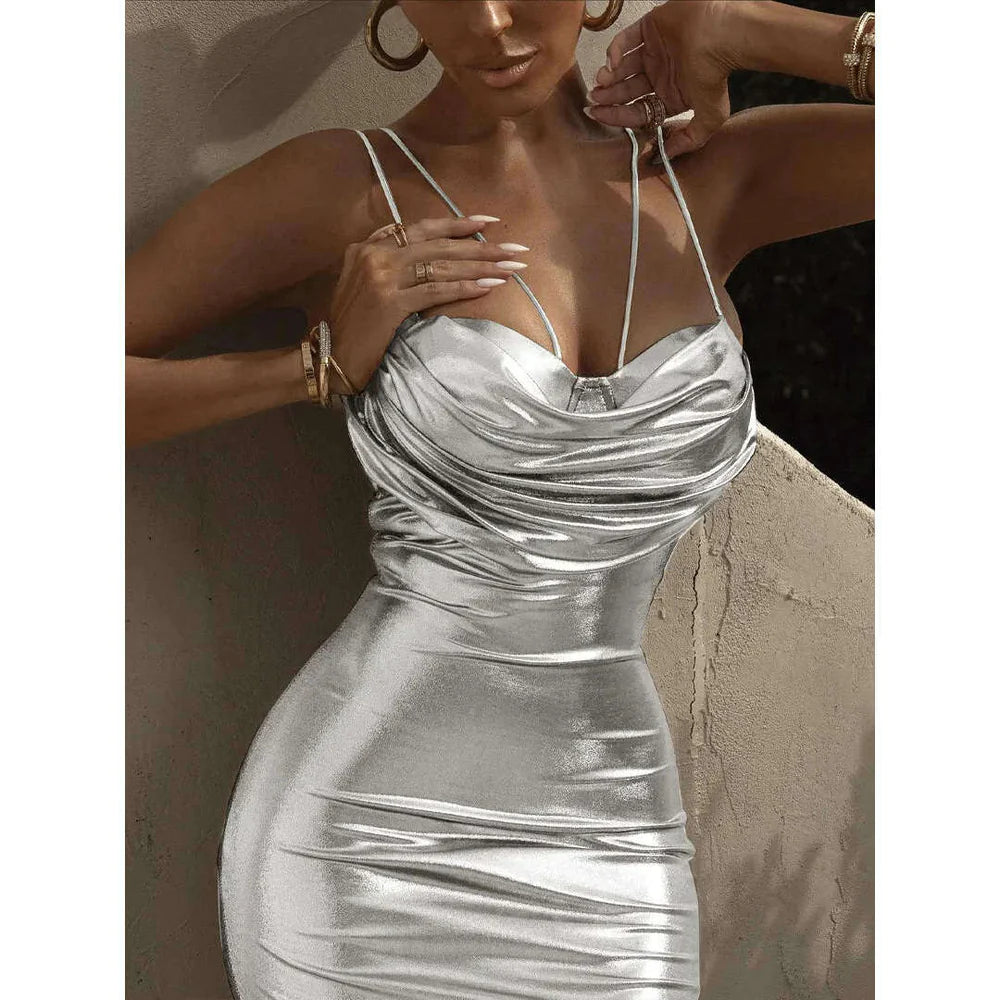
Accessories can change the mood without adding visual noise. A simple chain, small earrings, or a neutral bag may be enough. If the dress is a solid color, one expressive accessory can supply contrast. If the dress has a sheen or print, let that quality lead and keep the rest of the outfit calm.
Check product information carefully before making a purchase. Images can suggest a smooth surface, but they cannot confirm fiber or care needs. Review composition, measurements, lining, and care instructions on the specific product page. Choose a dress whose details fit your comfort and routine rather than assuming every slip-style garment behaves the same way.
Look 8: The romantic occasion dress

A romantic dress often has movement, a soft color, a delicate neckline, or another feature that gives the outfit its mood. Let one element lead. If the skirt is full, keep accessories simple. If the dress is clean and minimal, a small detail in the shoe or jewelry can bring warmth. A romantic look does not need to be ornate to feel special.
Consider the actual event. A garden celebration may call for footwear that handles grass or uneven paths. A dinner indoors may allow a more delicate shoe. A long event may make comfort and easy layering especially important. Read any dress code and ask the host if expectations are unclear. Good occasion dressing respects the invitation while leaving room for personal style.
Layering can help a romantic dress feel appropriate across temperatures. A light jacket, shawl, or coat can provide coverage and structure. Test the layer with the neckline and sleeve so it does not pull or obscure a feature you want to keep. If you expect to remove the outer layer, make sure the dress underneath feels finished and secure.
Color can stay soft or become more vivid. Blush, cream, sage, and other muted shades can create a gentle mood, while a deeper color can feel confident and dramatic. There is no single color associated with romance. Pick a shade you enjoy and combine it with tones already present in your accessories or wardrobe.
Keep the practical details in view. Check whether the dress needs special care, whether its hem works with your shoe, and whether you can sit comfortably. A beautiful occasion piece should not make you spend the event adjusting it. If one feature causes friction, choose another garment or styling adjustment that allows you to relax and participate fully.
Look 9: The relaxed weekend dress

A relaxed weekend dress can be one of the easiest pieces to wear when its fabric, cut, and length fit the day. Start with the activities you expect. If you will walk, sit outdoors, or travel between places, choose shoes and layers for those movements. A casual dress can still feel considered through color, fit, and one well-chosen accessory.
For a simple version, use comfortable flats, a practical bag, and an open layer that can be removed. If the dress is patterned, keep the accessories quiet. If it is a solid color, a scarf or lightweight jacket can change the mood. Avoid relying on an item that will be awkward to carry or that makes movement harder than it needs to be.
A relaxed dress can shift toward a polished look with a structured jacket and a clean shoe. It can also move in the other direction with a soft cardigan and easy footwear. Try both versions using what you own. The comparison can reveal which supporting pieces earn regular use and which combination better suits your routine.
Check how the dress behaves through a full day rather than judging it only when you first try it on. Does it stay in place? Does the waistband remain comfortable? Can you move freely? Does the hem work with your usual bag and shoes? These questions help identify whether the garment can become a reliable part of your wardrobe.
When you browse, compare fit and verified details rather than buying by name alone. The collection pages for All Women’s Dresses and Women’s Fashion provide relevant categories to explore. Use product descriptions for exact measurements, materials, and care, and choose only what suits your personal needs.
Look 10: The evening column

An evening column is a simple styling idea built around a continuous line. It might be a long dress, or a top and skirt in related shades that create a similar effect. The visual simplicity lets one detail stand out, such as a neckline, a sleeve, a surface, or a single accessory. Keep the idea flexible and choose garments that suit the event and your comfort.
For a refined version, add a layer that can be removed easily and a shoe that supports the setting. A compact bag may be suitable for a short event, while a larger one may be more practical for a full evening out. Do not force a particular heel height to achieve formality. A clean flat or lower heel can be equally considered when it suits the outfit.
Use jewelry with restraint or intention. One pair of earrings, a bracelet, or a necklace may give the outfit its finishing point. If the neckline already carries detail, keep the jewelry simple. If the dress is minimal, a more distinctive piece can become the focal point. The balance depends on the garment rather than on a fixed number of accessories.
Think about the venue and the hours involved. Outdoor steps, standing, and travel between locations may shape the best shoe and layer choice. If the event involves dinner, make sure the dress feels comfortable seated as well as standing. Try the complete outfit ahead of time so you can spot issues with closures, hems, or layers before leaving.
An evening look becomes memorable through ease as much as through decoration. When you can move naturally and feel comfortable, the outfit reads more confidently. Choose the details that make sense to you, then stop adding pieces once the composition feels complete. A quiet finish can be just as expressive as a dramatic one.
Use layers to extend a dress
Layering lets a dress adapt to changes in weather, venue, and mood. A short jacket can create a clean break at the waist; a longer coat can frame the dress as one vertical composition; a cardigan can make a sharper garment feel softer. Choose the layer for a clear purpose: warmth, coverage, structure, or color balance. It does not need to do everything at once.
Fit between layers matters. Try the outer piece over the dress and check the shoulder, sleeve, and closure. If the fabric catches, the sleeves bunch, or the jacket cannot close comfortably, choose a lighter base or a roomier layer. The goal is not to compress the dress into a shape it does not naturally hold. Give the garments space to work together.
Think about where the layer ends. A cropped jacket can make the dress shape visible; a coat ending near the hem may create a neat frame; a longer coat may add drama and warmth. Try each option with the shoe you intend to wear because garment lengths relate to footwear. A small change in coat length can shift how the full outfit feels.
Make the layer practical for the day. If you will remove it indoors, choose a dress that still feels complete without it. If you will carry it, consider weight and ease of handling. A layer that requires constant attention can become a burden. Choose pieces that let you enjoy the setting instead of monitoring your clothes all evening.
Seasonal changes do not require a new dress for every month. Adjust sleeve coverage, outerwear, and shoes as appropriate, while following the garment’s care instructions. The same color story may work in different weather when the fabric weight and supporting pieces change. Use verified details for each garment, and do not infer seasonal performance from a styled photo.
Choose shoes and accessories with purpose
Shoes affect both the practical side of an outfit and its overall proportion. Try the dress with the shoes you will wear, then walk on a surface similar to the one you expect. Check the hem, support, and comfort. A shoe can look elegant and still be the wrong choice for a long day if it makes walking difficult. The best option is one you can wear confidently in the setting.
Accessories can repeat color, add texture, or meet a practical need. A bag should hold what you need for the day. A belt should sit comfortably and work with the dress design. A scarf can add warmth or bring a color closer to the face. Choose accessories by their role before adding them for decoration alone.
One repeated accent is often enough to link an outfit. A color from the dress can appear again in the shoe or bag without creating an exact matching set. A metal tone can echo a button or closure. If the dress already includes a pattern, keep other accessories quieter. If the dress is plain, one expressive accessory can add personality without making the outfit feel busy.
Scale matters. A large bag may dominate a light, delicate silhouette, while a very small bag may not suit a full day out. A bold necklace can compete with a detailed neckline. Try accessories together and remove one item if the outfit feels crowded. Editing is not about reducing personal style; it is about helping the best details read clearly.
Before leaving, ask whether each item contributes to comfort, color, shape, or function. If something does not support the day or the outfit, consider leaving it behind. This final check often makes the whole look feel more natural. A polished outfit is not measured by how many accessories it contains but by how well the chosen pieces serve the person wearing them.
Make comfort part of the style decision
Fit is experienced in movement, not only in a mirror. Sit, stand, reach, walk, and turn. Notice whether the neckline shifts, the waist pulls, the hem catches, or a sleeve limits your range. These practical details matter because they determine whether you can enjoy wearing the dress. A garment should support the day rather than require constant correction.
Consider your personal preferences. You may want sleeves, pockets, a particular level of coverage, or a neckline that feels secure. These are legitimate style priorities. There is no universal dress feature that every person should seek. Identify what helps you feel comfortable, then use those criteria when comparing pieces.
Size labels vary, so check the measurements and fit notes for the exact product. If you are between sizes or uncertain about the intended fit, use the product information and ask for details rather than assuming. When trying a dress, evaluate it with the undergarments and shoes you expect to wear. This gives a more realistic sense of how it will feel in everyday use.
Alterations can help when a garment is close to right, but they should not become a requirement to tolerate a dress that fundamentally does not suit you. A hem adjustment or minor change may improve comfort; changing the garment’s central shape may be more involved. Consider your budget, time, and the garment’s construction before deciding.
Comfort also includes temperature and fabric feel. Some people prefer breathable layers, while others prioritize warmth or a smooth surface against the skin. Use verified composition and care details to make informed choices, especially if you have sensitivities. Do not guess fiber content from shine, texture, or how the dress appears in a photograph.
Care for real garments accurately
Care starts with the information attached to the actual garment. Read the label and product instructions before washing, steaming, drying, or storing a dress. Similar-looking fabrics can have different fibers, finishes, linings, or construction. A general styling image cannot establish how a real garment should be maintained.
Build care into your shopping decision. If you prefer garments that need little maintenance, check that the verified instructions suit your routine. If a delicate finish feels worth extra care, make sure you understand what that care involves. The right choice depends on how often you expect to wear the piece and whether the upkeep feels manageable.
Storage can help keep a dress ready to wear. Use a hanger suited to the garment, fold delicate knits when appropriate, and avoid crowding pieces so that they crease or snag. The correct method depends on the construction. Follow manufacturer guidance, and make sure garments are clean and dry before storing them for an extended period.
When something needs cleaning beyond routine care, avoid experimenting on an important garment. Consult the label or a qualified cleaner familiar with the specific material and construction. Do not apply a generic treatment just because it worked on another dress. An accurate, conservative approach is usually better than risking damage from an unsupported guess.
Thoughtful care is not about preserving every garment forever. It is about making the most of pieces you choose and using the correct maintenance for them. If a dress no longer fits your needs, consider repair, resale, donation, or another suitable option based on its condition. Make practical choices rather than assuming every item has one perfect next step.
Build a useful dress wardrobe
A useful dress wardrobe is not a checklist of required silhouettes. It is a group of pieces that work with your calendar, comfort needs, and the clothes you already own. Start by noticing which dresses you reach for and why. Perhaps they layer easily, feel good for long days, or work with shoes you already have. Those real-use observations are more valuable than buying a garment because it fills a theoretical category.
Try a wardrobe mapping exercise. Write down a few dresses and the settings where you wear them. Next to each one, note which shoes, bags, and layers work. This can reveal that one jacket supports several outfits or that a dress needs one small change to be easier to wear. It may also show that some pieces are rarely used because they do not match your routine.
If you identify a gap, describe it precisely. “I need a new dress” is broad. “I need a comfortable midi for work that fits under my light coat and works with my existing flats” offers a clearer brief. A precise need helps you compare product details and avoid purchases that are attractive but difficult to use.
Consider whether one dress can be styled in multiple ways. A shirt dress might work with a belt or open as a light layer. A simple midi may shift with a jacket, scarf, or shoe change. Do not force versatility where the garment does not support it, but notice when a small adjustment brings more value from what you already own.
Shop slowly when possible. Compare the exact product images and descriptions, check measurements, confirm care, and consider return terms if they affect your decision. If a dress does not fit the real conditions of your day, give yourself permission to skip it. A thoughtful wardrobe is built through useful choices, not through accumulating every idea that appears appealing at first glance.
Browse KIMLUD’s All Women’s Dresses, Women’s Fashion, Women’s Tops, Skirts, and Jewelry & Accessories collections to explore related categories. Product pages contain the details for individual items, so use them to verify fit, materials, availability, and care before choosing.
Frequently asked questions
How do I choose a dress for more than one setting?
Start with the settings you expect to use it for, then check whether the dress works with appropriate layers, footwear, and accessories for each one. Do not assume every dress needs to serve every occasion.
How can I make a simple dress feel more polished?
Check fit and condition first. Then choose one supporting piece, such as a clean jacket, refined shoe, or considered bag. A small number of deliberate choices can make a simple dress feel complete.
Should accessories match the dress exactly?
No. Repeating one color or tone can create cohesion, but exact matching is optional. Choose accessories that support the palette, practical needs, and mood you want.
How can I tell whether a dress is comfortable enough for a full day?
Try it with your intended shoes and move naturally. Sit, walk, reach, and check closures, hem, sleeves, and waist. If you find yourself constantly adjusting it, another size or silhouette may suit you better.
Can I use a belt with any dress?
Only if the garment sits comfortably with one. Belts can clarify a waist or repeat a color, but they are optional. Avoid pulling a dress into a shape that feels restrictive.
How do I style a printed dress?
Let the print lead and use a quieter accessory, or repeat one shade from the pattern in a shoe or bag. The right choice depends on the print scale and how much contrast you enjoy.
Can photos tell me what a dress is made from?
No. Use the product description and garment label for verified fiber and care information. Surface appearance alone cannot confirm a material.
What should I check before buying a dress online?
Review the exact measurements, fit description, composition, closure, lining, care guidance, availability, and return terms that apply to the item. Ask for clarification if a detail that matters to you is missing.
How many dresses does a wardrobe need?
There is no required number. Choose pieces that fit your lifestyle and get meaningful wear. A smaller group that suits your needs can be more useful than a large collection that stays unworn.
How can I make a dress work when the weather changes?
Use a layer, shoes, and accessories suited to the conditions. Check that the layers fit comfortably and can be removed or carried. Always choose garments appropriate for the actual temperature and setting.
Make the edit your own
A dress can make getting dressed easier, but it does not define the whole outfit or the person wearing it. The ten formulas in this edit offer starting points for testing color, proportion, texture, and layers. Keep what feels comfortable and expressive. Change what does not. The best styling idea is one you can adapt to your own wardrobe and day.
Choose with accurate information, wear with ease, and let personal preference guide the finishing details. A crisp shirt dress, a fluid midi, a print, or a quiet evening shape can each find a place when they suit your life. The point of the edit is not to follow a fixed formula; it is to make thoughtful choices that feel unmistakably yours.
Sources & References
- KIMLUD Official Collections — www.kimlud.com/collections
- KIMLUD Fashion Editorial Blog — www.kimlud.com/blogs/fashion
- KIMLUD Tech Editorial Blog — www.kimlud.co