
Article: Holiday Jewelry Gift Guide: Pearls, Necklaces & Rings
Holiday Jewelry Gift Guide: Pearls, Necklaces & Rings
THE KIMLUD EDIT · BUYING GUIDE
Holiday Jewelry Gift Guide
How to choose pearls, necklaces, rings and meaningful jewelry gifts with confidence

A KIMLUD jewelry idea
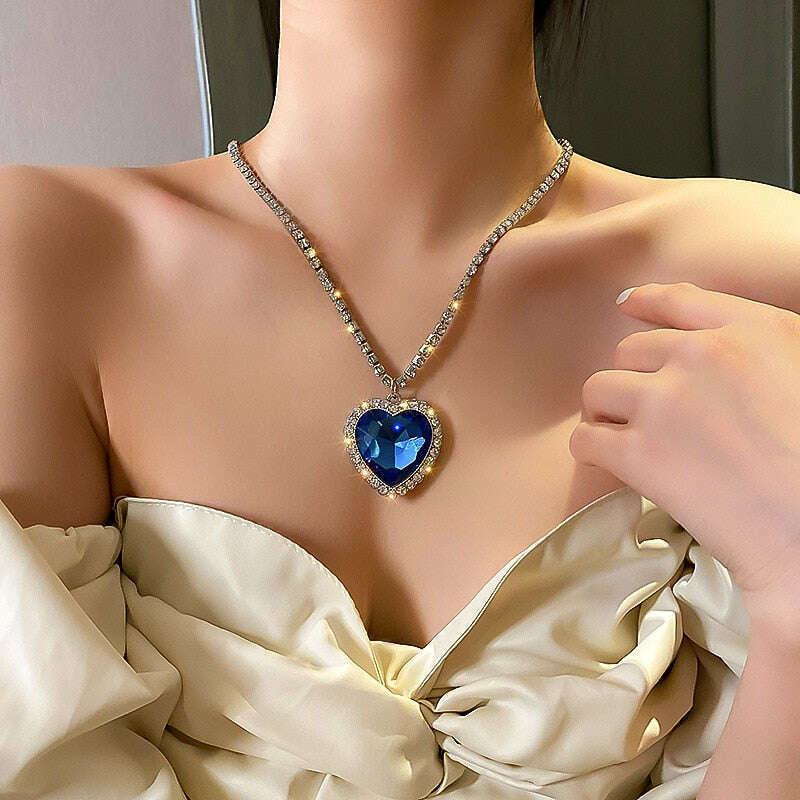
A round zircon pendant necklace
For a recipient who likes a polished silver look, explore this KIMLUD 925 sterling silver necklace with a round zircon pendant. Its product listing describes a choker silhouette; check the current product page for exact variant details, availability and sizing before choosing it as a gift.
- Start with the person
- Choose the right kind of jewelry
- A thoughtful guide to pearl jewelry
- Read materials and product details carefully
- Get sizing and comfort right
- Build a useful shortlist
- Gift ideas by recipient and occasion
- Presentation, timing and the final check
- Frequently asked questions
- The final decision
- Sources & References

Jewelry makes a holiday gift feel personal, but the best choice is rarely the most elaborate piece in the display. It is the one that fits the recipient’s habits, tastes and comfort. A person who wears one small pendant every day may appreciate a refined necklace more than a dramatic set. Someone who collects statement earrings may welcome color and movement. A pearl lover may care more about the character of the pearls than the size of the box. This guide turns those observations into a useful buying plan, whether you are shopping for a partner, parent, friend or yourself.
Start with the recipient, not a trend. Look at the jewelry they already choose voluntarily, the colors they return to, whether they change pieces often and what they wear for work or celebrations. Then compare product details rather than assuming a photograph tells you everything. Below you will find a decision framework, dedicated advice for pearls, practical fit and material checks, gifting scenarios and concise answers to common questions. Browse the KIMLUD jewelry collection as you narrow your shortlist.
1. Start with the person, not the display case

Before you select a category, make a quiet inventory of what the recipient already wears. Are their everyday pieces silver-colored, yellow-gold-colored or mixed? Are earrings tiny and close to the ear, or sculptural and visible across a room? Do they wear jewelry over a sweater, against bare skin, or only for evening events? Do they regularly stack rings or wear one familiar band? These clues are more reliable than a seasonal bestseller list because they describe actual behavior.
A useful three-question test is: Would they wear this with at least two outfits they already own? Is the level of attention it attracts comfortable for them? Can you confirm the fit, materials and fastening? If the answer to any question is uncertain, do not automatically buy the boldest piece. Move toward a flexible style, such as a pendant, modest earrings or a piece in a finish they already choose. A gift can still feel special without asking its recipient to adopt an entirely new identity.
Pay attention to practical routines. Someone with an active job may prefer jewelry without long dangling parts. A person who changes outfits frequently may like a versatile necklace that layers. Someone who dresses formally often may welcome a more expressive pair of earrings. If the recipient wears no jewelry, ask whether that is a preference or simply a lack of pieces that feel comfortable. When in doubt, subtlety is a useful starting point, not a universal rule.
Think about symbolism without imposing it. A ring can feel romantic even if you mean it as a fashion gift; a pendant can be an intimate choice; pearls may recall a shared occasion. The best story is one the recipient recognizes. A short note explaining why you chose a shape, color or memory can make a simple piece feel more considered than an expensive item chosen without context.
2. Choose the right kind of jewelry

Necklaces are often an approachable gift because they do not require a ring size. But length and silhouette still matter. A close-fitting choker, a mid-length pendant and a longer chain frame the neckline differently. Compare the product’s stated length with a necklace the recipient already wears, rather than judging only from a model photograph. For someone who favors open-neck tops, a short pendant may work beautifully; for high-neck knitwear, a longer style may be easier to see. Explore KIMLUD necklaces with these choices in mind.
Rings offer a strong personal gesture, but they introduce the most obvious fit risk. If you cannot confirm a size and the design is not explicitly adjustable, consider another category. Do not guess from a person’s height or hand size: different fingers and band widths change how a ring feels. A fashion ring can be a lovely gift when you know which finger the recipient will use and whether they prefer a slim band or a more prominent form. Compare choices in KIMLUD rings only after you have a sizing plan.
Earrings can refresh a familiar wardrobe, provided you know the recipient has pierced ears and wears the relevant style. Note the weight, closure and drop length when the listing provides them. A dramatic pair may be perfect for a holiday event but less useful for someone who never wears statement pieces. Studs can be versatile; hoops can add movement; drops can frame the face. None is inherently more giftable than another. Their usefulness depends on the person’s existing habits.
Bracelets need attention to wrist fit and clasp usability. A piece that looks elegant laid flat may be difficult for someone to put on alone. If a bracelet is your first choice, check the listing for length, closure and whether the construction is flexible. A set can solve an outfit-styling question, but matching pieces are not automatically better value. First ask whether the recipient likes coordinated jewelry or prefers mixing pieces collected over time.
The category is only the first decision. Finish, scale, color, weight, clasp and care requirements determine whether the gift becomes a favorite. If two pieces look equally beautiful, choose the one with clearer product details and a better fit with the recipient’s day-to-day life.
3. A thoughtful guide to pearl jewelry

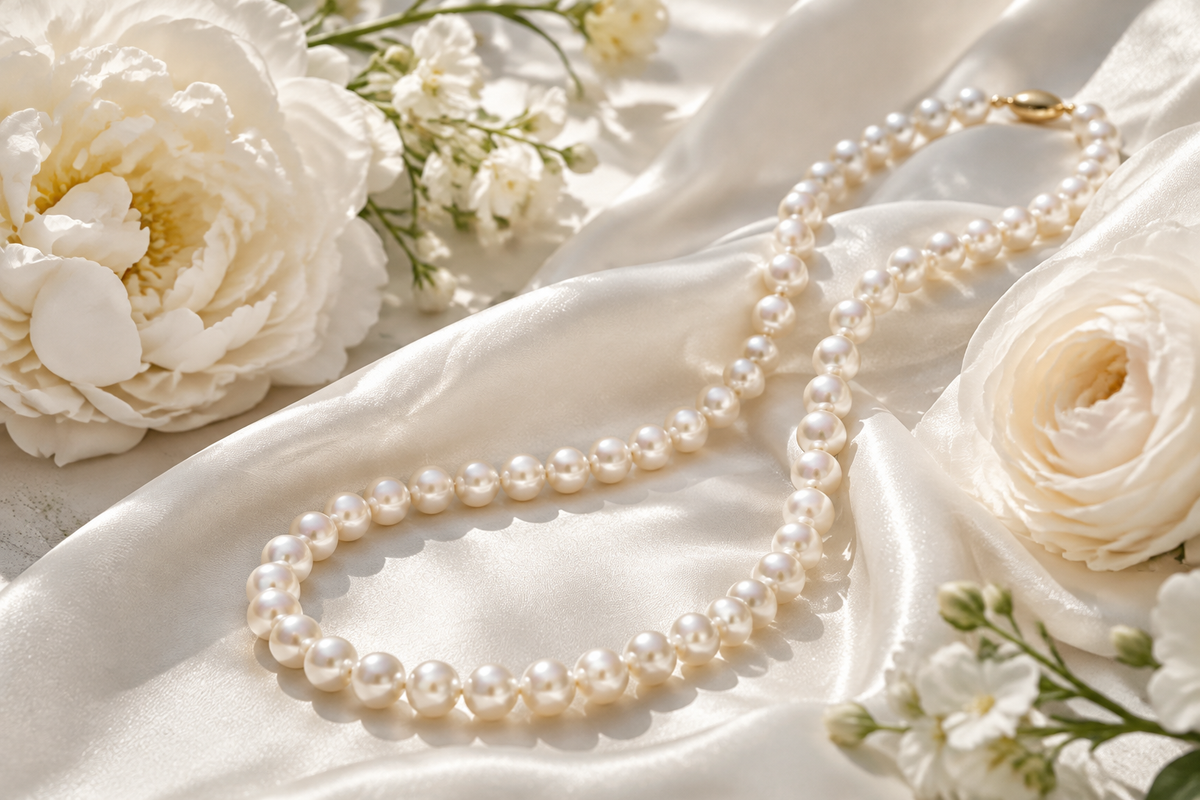
Pearls deserve their own conversation. They can feel quietly polished with a white shirt, celebratory with evening clothes or playful when mixed with modern shapes. Do not treat every pearl item as interchangeable. The size, arrangement, luster, setting and overall design can change the mood dramatically. A single pearl accent reads differently from a full strand; an irregular shape may feel more relaxed than a symmetrical one. Start with the recipient’s wardrobe and decide what role the pearls should play.
If the recipient likes minimal jewelry, look for a pearl detail that can sit comfortably alongside what they already wear. For someone who enjoys expressive accessories, a bolder pearl arrangement may have more personality. If they often wear warm neutrals and cream, pearls may become a natural continuation of their wardrobe. If they dress in black, navy or saturated color, pearls can create contrast. There is no requirement to reserve them for weddings or formal clothes.
Understand the language on the individual listing. “Pearl” in a style description does not, by itself, establish the origin or composition of every element. If you specifically want genuine pearls, begin with the KIMLUD Genuine Pearls collection, then read each product page for its exact materials and details. If you are exploring pearl looks more broadly, browse All Pearls. A collection title is a starting point for discovery, not a substitute for checking a particular product’s description.
When comparing pearl jewelry, look beyond a close-up beauty photograph. Check how pearls are attached, the stated length of a strand, the type of clasp and whether the piece is designed to be worn close to the neck or lower on the chest. For earrings, consider whether the pearl sits on the lobe or hangs below it. For a ring, evaluate whether the setting feels protective enough for the recipient’s routine. If the listing does not answer an important material or size question, pause rather than filling in the blank yourself.

A pearl gift can work at many levels of familiarity. For a friend, an understated pearl accent can feel thoughtful without being overly intimate. For a partner, a necklace chosen to echo an outfit or meaningful occasion can carry a personal story. For a family member, consider the styles they have worn for years rather than assuming that a classic-looking gift must suit them. Pearls are flexible; the recipient is specific.
Care matters too. Treat pearls gently: avoid exposing them unnecessarily to cosmetics, perfume or harsh cleaning products, and store them so they do not rub against harder jewelry. Follow any care instructions supplied with the specific piece, especially when it combines pearls with other materials. Rather than promising that one cleaning method suits everything, keep a soft cloth at hand and confirm the appropriate method for the product you actually buy.
If you are torn between a full pearl strand and a single accent, ask how often the recipient would realistically wear each. A quiet pearl pendant may move between weekday and evening wardrobes. A full strand may be just right for someone who loves deliberate styling. Neither is objectively superior; the better gift is the one with a real place in their life.
4. Read materials and product details carefully

Jewelry photographs show appearance, not a complete material specification. A golden-looking item is not necessarily solid gold; a silver-colored finish does not establish that every component is sterling silver. Read the exact product title, description and variant details. Distinguish the base material from a plating or finish, and distinguish a stone’s stated identity from the way it looks in a photograph. If the wording is ambiguous, do not turn a guess into a gift-card claim.
For a recipient with known metal sensitivities, material clarity is essential. Do not assume an item is suitable for sensitive skin because it appears smooth or is described as elegant. Ask what materials have worked for them before. If you cannot verify the composition of the parts touching skin, choose a better-documented item or another gift. “Hypoallergenic” should never be inferred from a color, price or style.
Look at dimensions as closely as materials. Product photography may enlarge a small pendant or make a large earring look more restrained. A chain length, pendant measurement, ring width or earring drop helps translate an image into a real wardrobe decision. If multiple variants are available, confirm that the selected variant matches the image and description you are relying on. Product availability and details can change, so review the live page before checkout.
Consider maintenance as a form of fit. Someone who carefully stores their jewelry may enjoy a delicate design that asks for attention. Someone who wants to put on a piece and get on with the day may favor simpler construction. A gift should not quietly add work the recipient would rather avoid. If you plan to include a care note, make it product-specific and modest instead of presenting universal rules for every metal, pearl or stone.
One practical technique is to compare two shortlisted items in a small note: category, material as stated, length or size, closure, color, intended outfit and any unanswered question. This prevents a striking photograph from winning over a more wearable piece merely because it was viewed last.
5. Get sizing and comfort right

Fit is not only about whether jewelry physically goes on. It is about whether the recipient wants to leave it on. For necklaces, compare length to one they already own and consider where the pendant will fall with their favorite necklines. A choker can feel refined to one person and restrictive to another. If you do not know their preference, avoid assuming a close fit is universally comfortable.
For rings, the most useful reference is a ring worn on the intended finger. Even then, a wide band may feel different from a narrow one. Do not take a size from an unrelated finger and assume it transfers. If you cannot obtain reliable sizing without ruining the surprise, an earring or necklace may make a better surprise gift. A thoughtful alternative is more romantic than a ring that cannot be worn.
For bracelets, check both circumference and how the clasp is operated. Some people prefer a little movement; others dislike anything that slides. Earrings bring their own comfort factors: weight, post or hook style, and how securely they close. If the recipient has stopped wearing heavy earrings, honor that evidence. A dramatic silhouette in a lightweight design may still work, but the listing needs to support the choice.
Styling comfort counts as well. Someone who wears delicate jewelry may find an oversized gift difficult to integrate, even if they admire it in a photograph. If you want to stretch their style, move one step beyond their usual choice rather than five. A familiar metal color in a new shape, or a favorite silhouette with a pearl detail, can feel fresh while remaining recognizable.
6. Build a shortlist that earns its place

Set a budget before browsing and decide what you need the piece to do. Is this an everyday reminder, an accessory for a particular celebration, or a keepsake connected to a shared milestone? A smaller piece chosen precisely for the recipient can outperform a more expensive one chosen to signal the size of the gesture. Use the budget as a guardrail, not as the story you tell about the gift.
Build a shortlist of three options, not thirty. Give each a reason to stay: “works with her usual silver jewelry,” “pearl detail recalls the outfit she loves,” or “length matches a necklace she already wears.” Eliminate anything with an unresolved fit or material question. Then compare the survivors for versatility, recipient preference and the clarity of the listing. This simple process reduces impulse decisions without taking the joy out of shopping.
Think in terms of cost per meaningful wear rather than price alone. A piece someone reaches for regularly may be a better use of the same budget than an elaborate design that only works with one outfit. On the other hand, a gift specifically for a wedding or holiday party can be right even if it is not an everyday staple. The question is whether its occasion is real, not whether every piece must be maximally versatile.
Avoid constructing a fictional bundle of savings. If you want to pair jewelry with a card or keepsake box, make the pairing about presentation. Check current prices and offers on the product pages rather than relying on an old article. The article’s role is to help readers choose; the live catalog provides current commercial details.
7. Gift ideas by recipient and occasion

For a partner: Find a visual clue in a piece they already wear and add a personal reason for your choice. A pendant can reference a shared evening without needing an elaborate inscription. Pearls may be right if they already enjoy them, but do not assume every romantic gift should be a pearl necklace. If you choose a ring, be especially careful about size and the meaning it might communicate.
For a parent or mentor: Notice whether they prefer consistent everyday jewelry or pieces saved for celebrations. A refined necklace in their familiar finish may be more welcome than a large design chosen solely because it looks luxurious. If pearls are part of their wardrobe, decide whether they would appreciate a fresh interpretation or would rather receive something close to the styles they trust.
For a friend: Shared observations are your advantage. Perhaps they always reach for a particular color, wear small earrings to work, or have admired a pearl detail on someone else. Keep the gift proportionate to the relationship and make the choice legible in a short note. A useful, well-chosen piece rarely needs a grand explanation.
For someone you do not know well: Resist guessing sensitive details. Avoid rings unless you know the size; avoid materials that cannot be checked if you know of allergies; avoid highly symbolic motifs that may not resonate. A subtle necklace may be more adaptable, but only if you can verify length and the recipient wears necklaces. A different kind of present can be wiser than uncertain jewelry.
For a holiday party: Think about the outfit and setting. A piece that catches light may work with a simple neckline; a necklace can compete with a highly detailed collar; earrings can bring balance when the neckline is already busy. Choose one focal point rather than assuming a necklace, earrings and rings must all match. If you are buying for someone else, use an outfit they have actually worn as your reference.
For everyday wear: Prioritize comfort and compatibility with established habits. Someone who works at a desk may prefer a ring that does not catch; someone who puts on jewelry in a hurry may prefer an uncomplicated fastening. The strongest everyday gifts become part of a routine. They do not require a special occasion to justify opening the box.
8. Presentation, timing and the final check

Presentation should protect and frame the piece, not disguise a poor choice. Before wrapping, compare the item and selected variant against your order details. Confirm the finish, size and quantity. If you are giving several pieces, keep their details together so the recipient understands what they are receiving and how to care for each one. A small note saying why you chose the piece makes the gift more human than an ornate box alone.
If the gift is for a date-sensitive occasion, check the current product availability and delivery information before ordering. KIMLUD’s standard order processing time is 2–5 business days, Monday through Friday excluding holidays; processing is separate from shipping time. Do not assume an arrival date from an article, and do not promise that a specific item will reach you by a holiday unless the checkout information supports it. Ordering early gives you room to inspect the piece and prepare the gift without unnecessary pressure.
When the recipient opens the box, let them experience the jewelry before explaining every detail. If fit or taste is uncertain, be considerate rather than defensive. A gift can be thoughtful and still need a different size or style. Check the current store policy for applicable return and exchange terms instead of attaching an outdated promise to your card. The point is to give the recipient something they can enjoy, not to win an argument about your choice.
Before checkout, run one last five-part check: Is the style consistent with their taste? Are the materials described clearly enough for their needs? Is the size or length appropriate? Is the occasion realistic? Does the product page currently show the exact option you intend to buy? If each answer is yes, you can purchase with much more confidence.
Frequently asked questions
What is the safest jewelry gift if I do not know a ring size?
Start with a category that does not require finger sizing, such as a necklace or earrings, but still check length, closure, weight and whether the recipient wears that type of jewelry. A necklace they will actually use is safer than a ring chosen by guesswork.
Are pearls suitable for everyday wear?
They can be part of an everyday wardrobe, but suitability depends on the specific design and the wearer’s habits. Consider the setting, fastening and care instructions. Keep pearl jewelry away from unnecessary contact with cosmetics and harsh products, and follow the guidance for the particular piece.
What is the difference between All Pearls and Genuine Pearls?
These are separate KIMLUD collection destinations. Use All Pearls to explore pearl-themed styles and Genuine Pearls when that characteristic matters to your search. Check each product’s listing for exact composition rather than treating a collection name as a complete material specification.
How do I choose between a necklace and earrings?
Watch what the recipient already wears. If they frequently wear necklaces but rarely wear earrings, follow that evidence. If they have pierced ears and enjoy switching earring styles, earrings may offer more variety. Compare fit details and styling compatibility for the specific products.
Should I choose matching jewelry pieces?
Only if the recipient enjoys coordinated sets. Someone who mixes metals or collects individual pieces may prefer one distinctive item. A set can make getting dressed easier for another person. Match the gift to a real habit rather than a rule about what jewelry ought to look like.
Can I infer a material from a product photo?
No. Color and sparkle are visual cues, not proof of metal content, gemstone identity or pearl origin. Read the product details and selected variant. If a detail matters to the recipient and is not clear, ask before buying rather than making an assumption.
How early should I shop for a holiday gift?
Leave time for processing, shipping and your own inspection or wrapping. KIMLUD’s standard processing time is 2–5 business days, excluding holidays, but delivery time depends on the destination and shipping option. Use current checkout information for the actual order rather than treating an editorial guide as a delivery guarantee.
How can a modest jewelry gift feel personal?
Connect it to something you genuinely know: a favorite outfit, a color they wear, a meaningful occasion or a style they have admired. A concise note explaining that choice is more memorable than an unsupported claim about rarity or value.
The final decision
The most memorable jewelry gifts balance imagination with evidence. Imagine the recipient wearing the piece, then verify the details that make that scene possible: material, scale, fit, finish and occasion. Pearls can bring quiet character, a necklace can become an everyday signature, and a ring can mark a particular connection, but none is a universal answer. The right choice begins with the person.
Explore KIMLUD jewelry, compare necklaces and rings, or spend time with the pearl selection. Let the live product pages answer the final specification questions. Then add your own reason for choosing the gift. That is the detail no catalog can supply.
Sources & References
- KIMLUD Jewelry collection, used for the category shopping path.
- KIMLUD Necklaces collection and KIMLUD Rings collection, used for category links.
- KIMLUD All Pearls collection and KIMLUD Genuine Pearls collection, used to distinguish the two discovery paths.
- KIMLUD zircon pendant necklace listing, consulted for the specific catalog example; verify current variants before ordering.


Laisser un commentaire
Ce site est protégé par hCaptcha, et la Politique de confidentialité et les Conditions de service de hCaptcha s’appliquent.